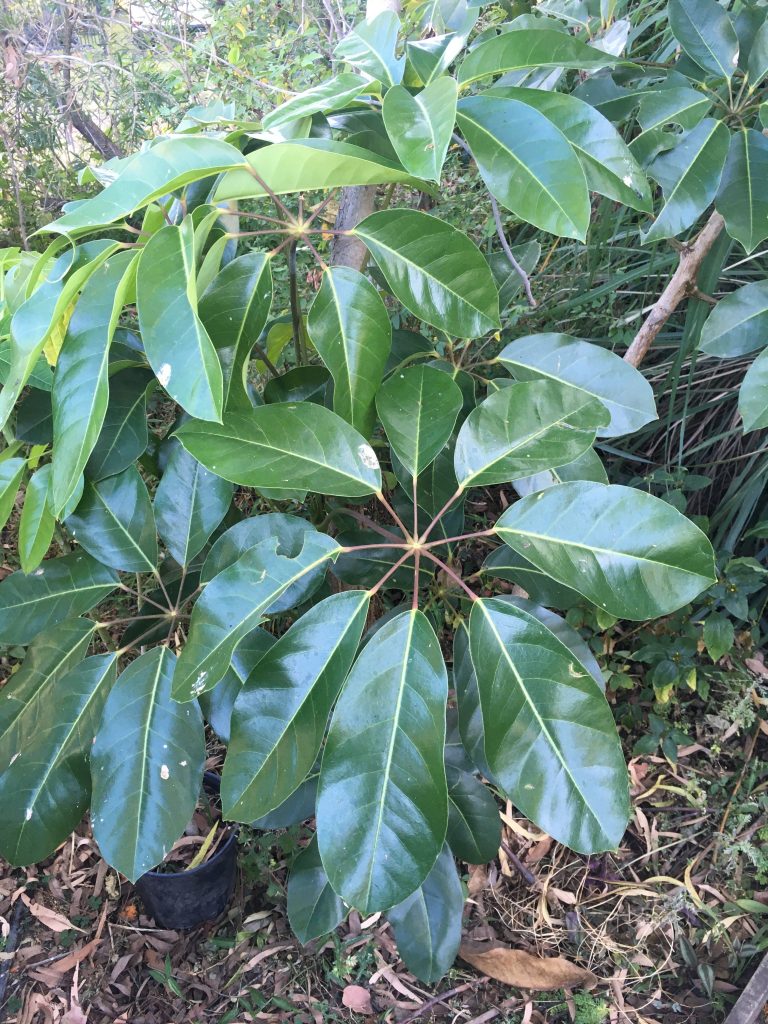
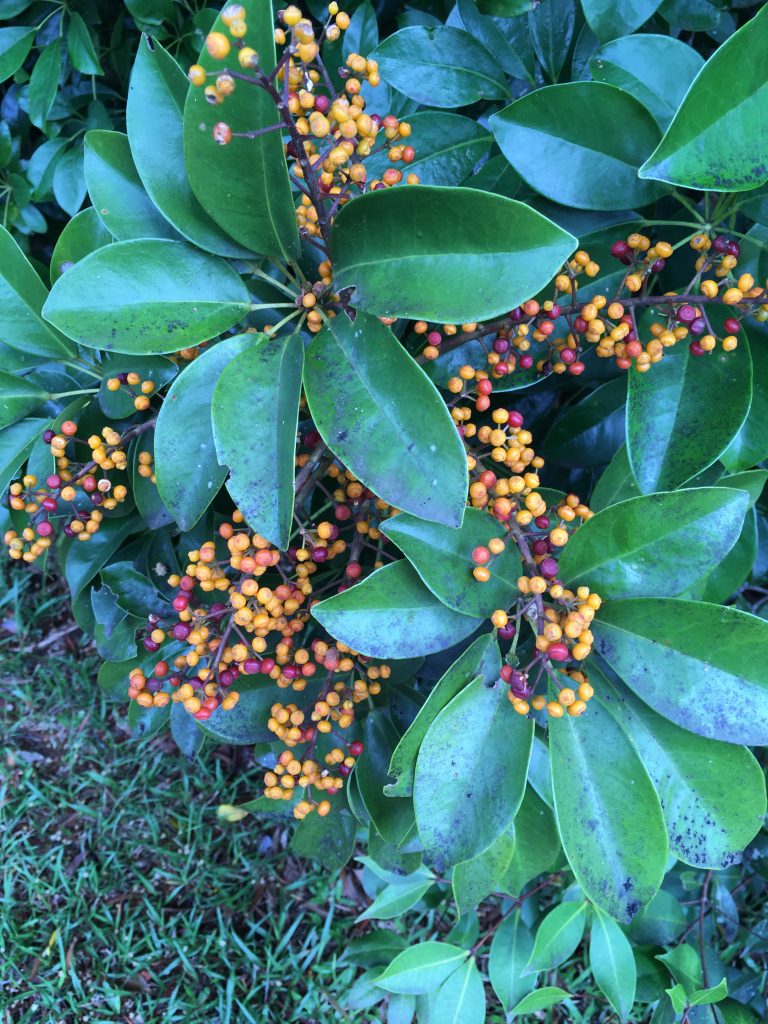
The umbrella tree (Schefflera actinophylla) is native to tropical rainforests in Queensland and the Northern Territory as well as New Guinea and Java. It is an attractive fast-growing evergreen tree that colonises disturbed areas. As a young plant, it can be hemi-epiphytic or lithophytic, growing on and up boulders and the trunks of larger trees. The large elongate leaves are palmately compound, arranged in a circular “umbrella”.
Umbrella tree leaves
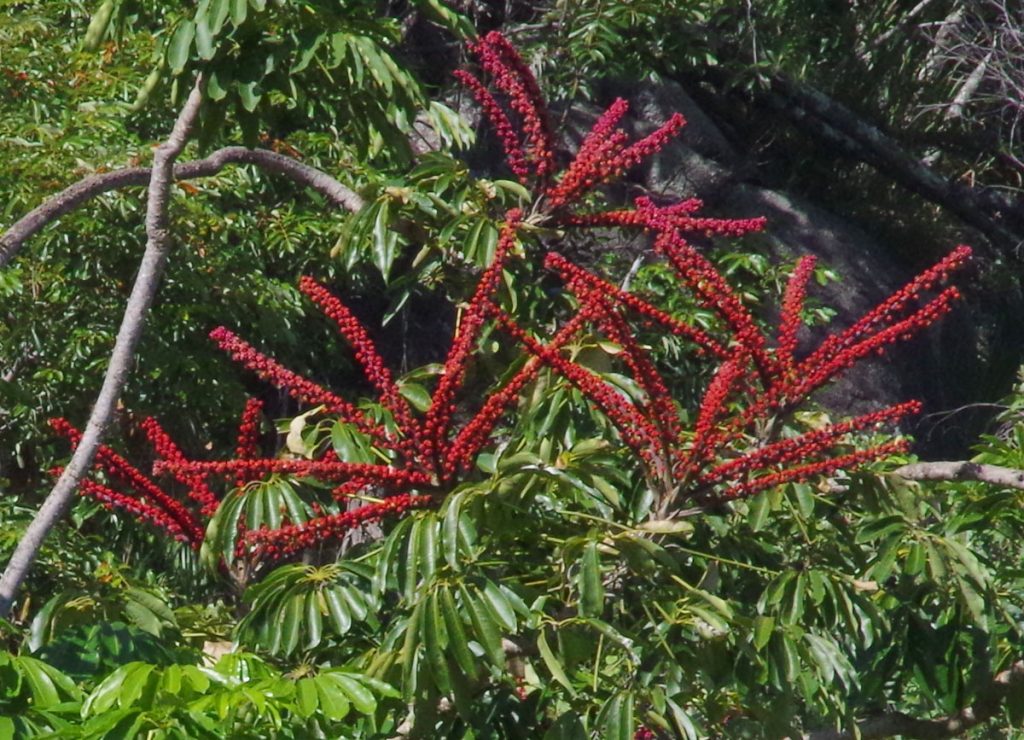
Deep red flowers are borne on long terminal spikes and are copious nectar producers that attract a variety of insects, birds and small mammals. The nectar and fruit can sometimes ferment resulting in mildly intoxicated, rowdy parrots that may occasionally fall out of the tree, too drunk to fly. The leaves are a favourite food of Bennets Tree Kangaroo
Umbrella Tree flowers – photo by Russell Cumming on Flickr
The umbrella tree is a popular house and garden plant in Australia and around the world. It has also been used to create bonsai trees.
Umbrella trees are quite common in gardens around Paluma village and occur occasionally in the forest behind backyards. Naturally occurring trees can most easily be found along the range road and along the creek upstream from the Little Crystal Creek Bridge.
Schefflera actinophylla has become naturalised in many countries. In southern Queensland and parts of NSW (outside its native range) it has been declared an invasive plant invading national parks, remnant bushland, undisturbed forests and reserves.
Dwarf Umbrella Tree (Schefflera arboricola)
A related species, the dwarf umbrella tree (Schefflera arboricola) is also a popular decorative plant in Australia, with at least one specimen prominently growing on the corner of Whalley Cr and Mt Spec Road. It is a native of Taiwan and eastern Asia but is considered is a minor or potential environmental weed in Queensland and north-eastern New South Wales.
Text and photos (unless indicated) by Jamie Oliver
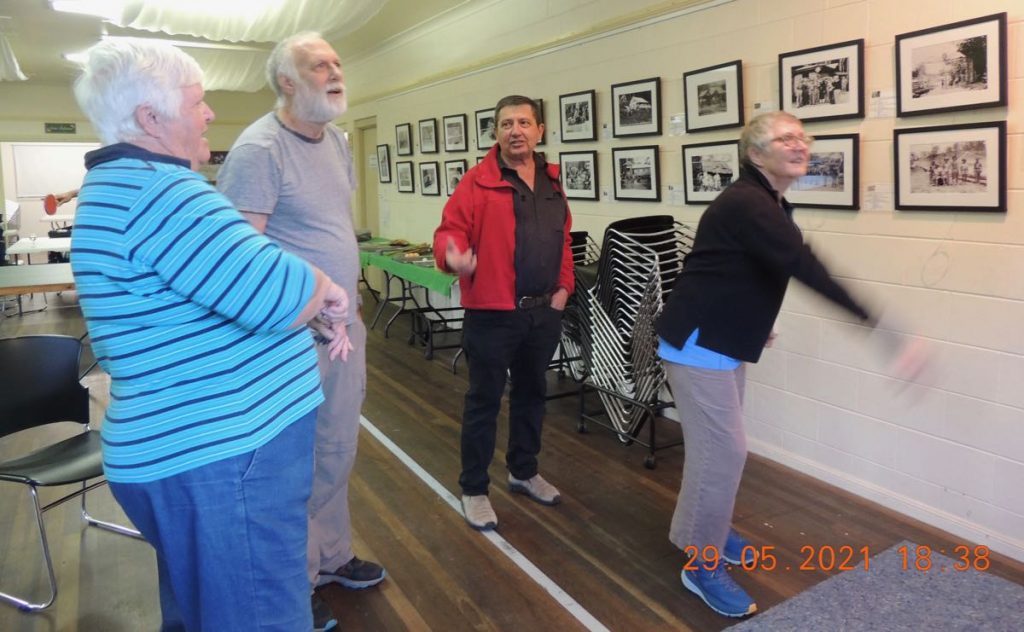
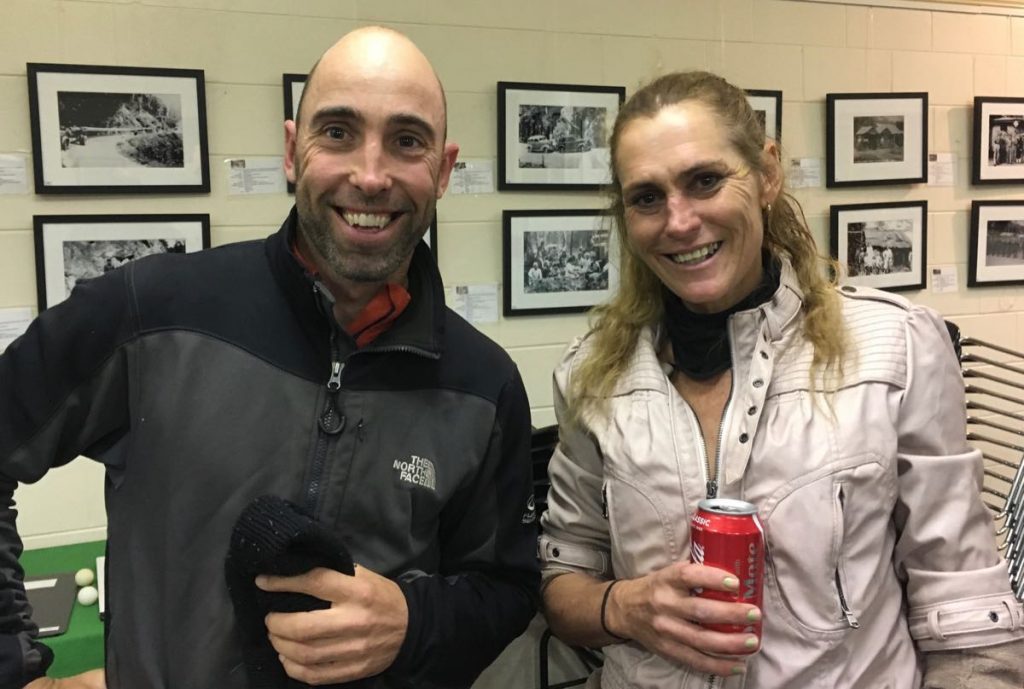
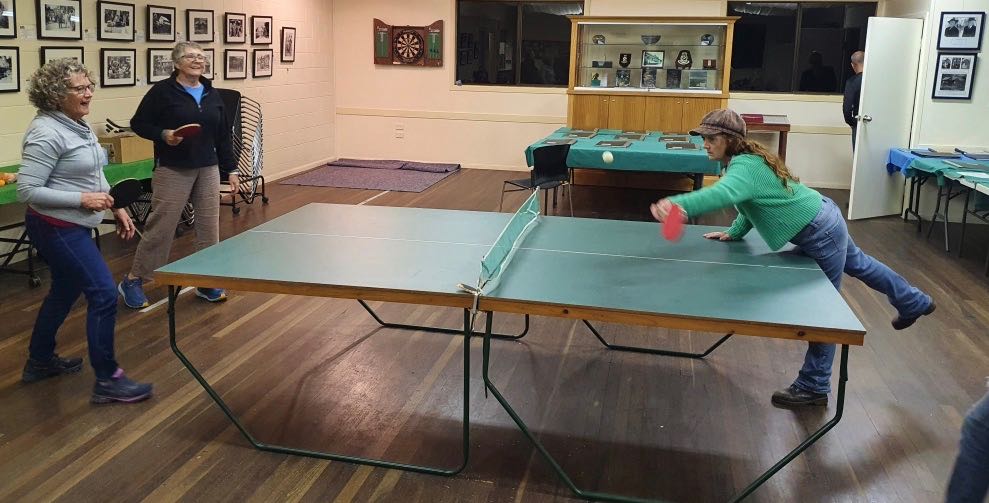
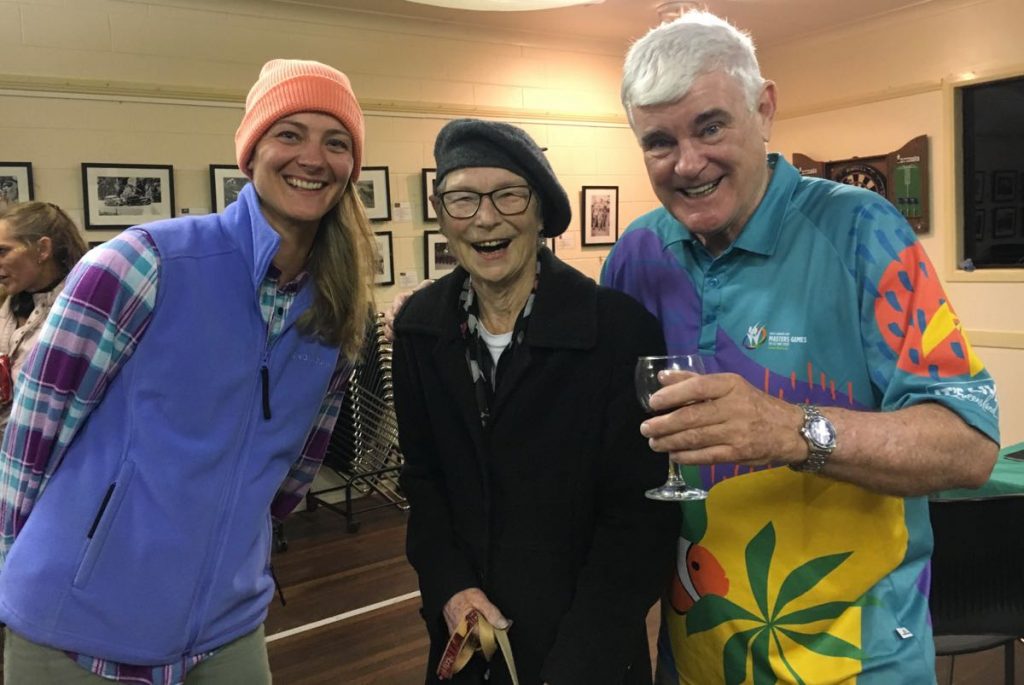
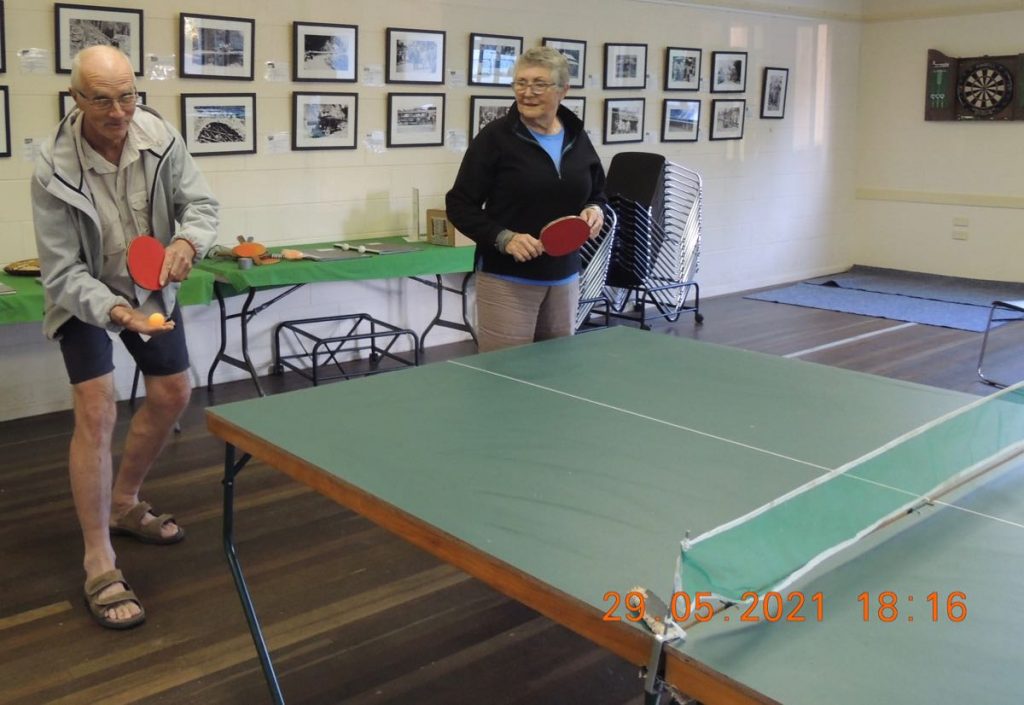
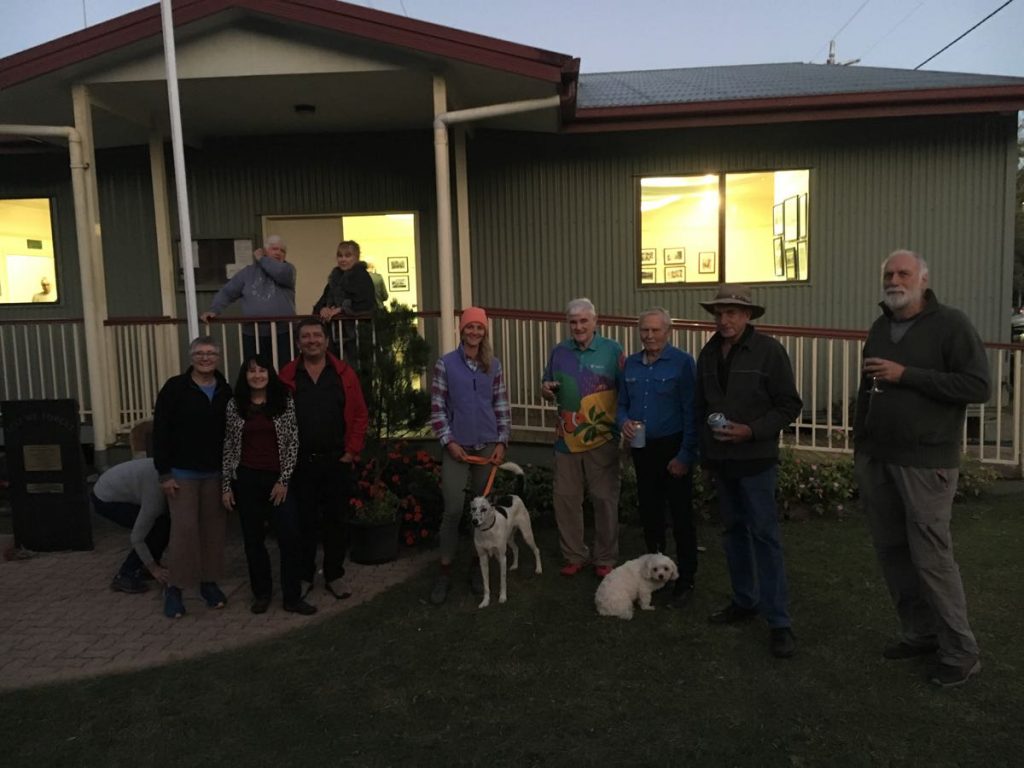
Saturday night (29/05/21) was Games Night at Paluma. A good crowd gathered at the Community Hall from 4 pm to take part in a series of games and sporting activities. Four main teams were formed and they rotated through the various activities including pétanque, darts, table tennis and quoits. The competition was fierce amongst the rival teams – even if the skill level was sometimes questionable. What we lacked in skill, we made up for in enthusiasm!
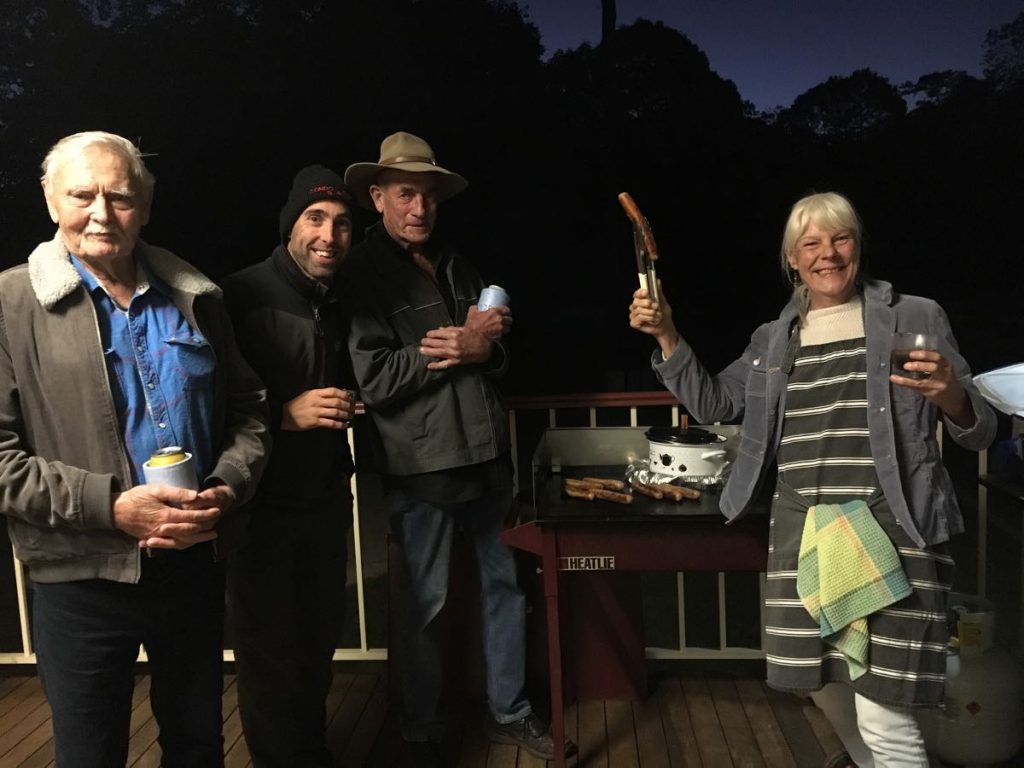
The Games Night was hosted by Dorothy and Peter Klumpp who provided some excellent coaching tips. Peter did his best to control some rampant cheating amongst the team members. Lynda was in charge of the BBQ, cooking a gourmet sausage sizzle, complete with coleslaw, caramelised onion and sauerkraut. Barman Les was on hand to supply drinks to the thirsty competitors. The overall winning pair on the night were Colwyn and Danno, proving that age, wisdom, charm and cheating are a winning combination!!
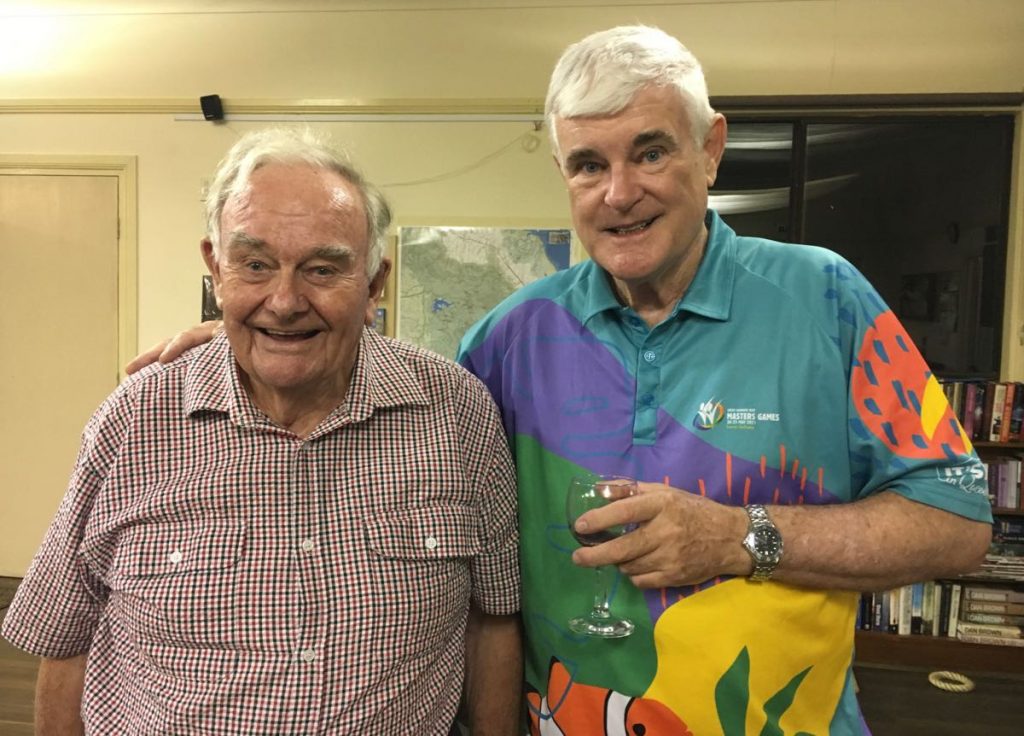
A great deal of fun was had with laughter, cheering and banter echoing from the Community Hall. Special thanks to Peter, Dorothy, Lynda and Les for making the night a great success. And thanks to all those who participated, keeping the spirit of community alive and well in the little village of Paluma.
Let the pictures tell the story!
Text By Michele Bird. Photos by Michele Bird & Peter Klumpp.
Insects and spiders belong to the Arthropod phylum (Euarthopoda), which encompasses invertebrates with a hard exoskeleton, segmented bodies and paired jointed appendages. Crustaceans, centipedes, millipedes and many other lesser known insect-like invertebrates are also Arthropods. Paluma has a very high diversity of arthropod species, but many are either difficult to find or, once found, very hard to identify. The following species are quite common around Paluma:
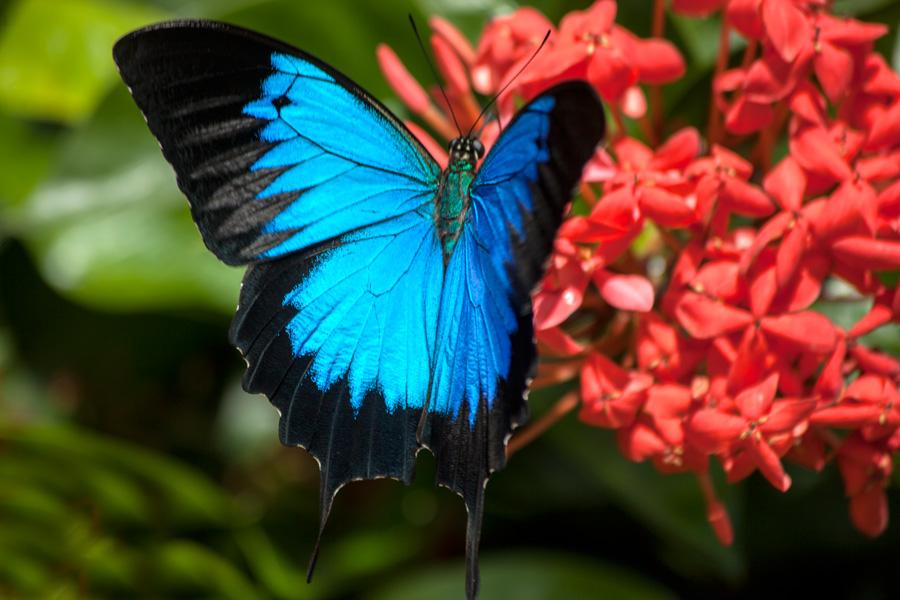
1. Ulysses Butterfly (Papilio ulysses)
This is one of the most recognisable butterflies in north Queensland and an iconic resident of our tropical rainforests. The brilliant iridescent blue upper surface of its wings makes it highly visible in open sunny areas, and it is commonly seen foraging around the village. This large (~14cm) butterfly is a member of the swallowtail family (Papilionidae) and can be found in New Guinea and surrounding islands as well as in NE Australia. The underwings are not nearly as colourful with black and grey-brown patterning and orange-brown spots along the margin of the hindwing. Males and female are very similar in appearance but the female can often be recognised by the small blue crescents at the bottom of the hindwings. The favoured host plant for the Ulysses is Melicope species (Euodias or Corkwoods).
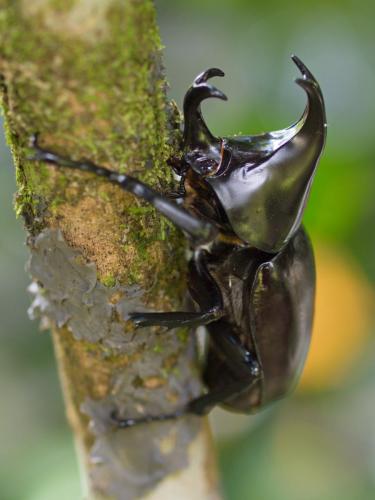
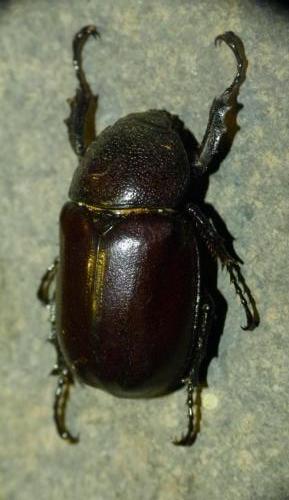
2. Australian Rhinoceros Beetle (Xylotrupes australicus)
This very distinctive and large (up to 6cm) beetle has two large horns (upper and lower) with forked ends. Horns only occur on males. The females are similar in size but without horns.
Rhinoceros beetles are harmless but can make a hissing noise when threatened and their claws are sharp enough to grip tightly to (but not injure) a finger or hand. The horns are used by males to fight each other during the breeding season. In Thailand they are kept as pets and for gambling over beetle fights.
Male
Larva – Photo by Jeff Wright, Queensland Museum, Copyright
Female -Photo by L. Shyamal, CC BY-SA
Adult beetles feed on bark. The larvae burrow into and eat leaf litter and rotting wood and are often found in mulch or old compost piles in Paluma gardens. They can take up to two years to reach full size, by which time they can fill the palm of your hand.
Despite their armoured and heavy appearance Rhinoceros Beetles have fully functional wings under their carapace and are strong flyers. Males are nocturnal and attracted to light. The Australian Rhinoceros Beetle occurs in moist forests in eastern Australia and the Northern Territory. It has previously been referred to as Xylotrupes gideon or Xylotrupes ulysses, but current thinking is that these species do not occur in Australia and that our Rhinoceros beetle (X. australicus) is a separate species.
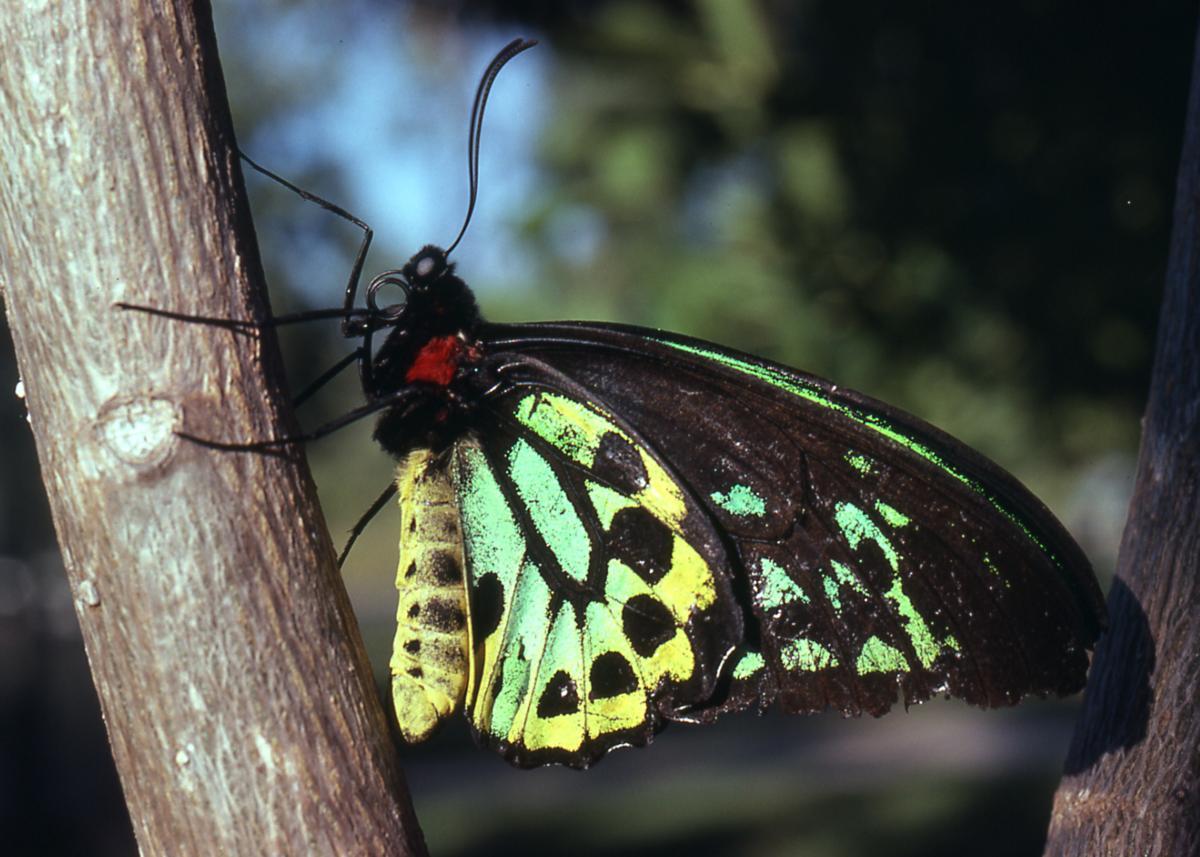
3. Cairns Birdwing (Ornithoptera euphorion)
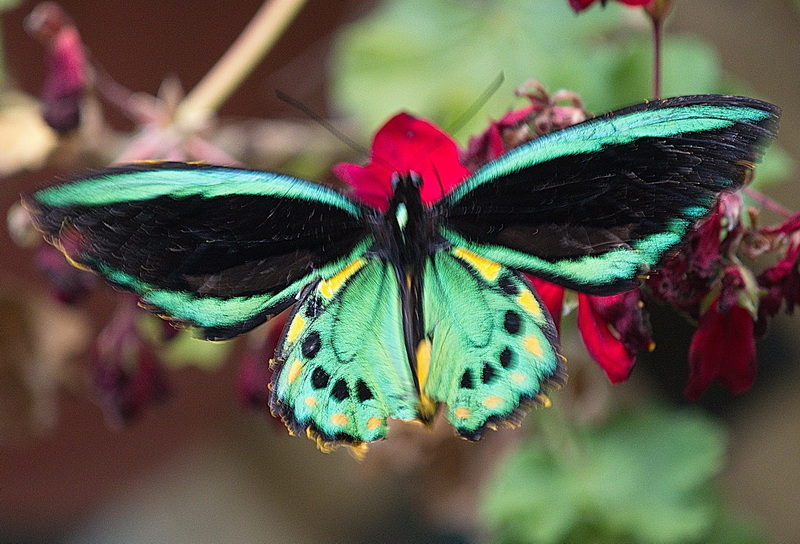
The Cairns Birdwing is another iconic (and endemic) butterfly of the Queensland tropics, occurring in rainforests from Cooktown to Mackay. It is the largest endemic butterfly in Australia (its almost identical cousin, the northern or New Guinea Birdwing is the largest Australian butterfly).
Male Cairns Birdwings can have wingspans up to 12.5cm, and have brilliant green, black and yellow wings. The larger females (15cm wingspan) have similar markings but in shades of grey and white. Both sexes have bright yellow abdomens with a blotch of red on the side of the thorax. In gardens, adults are attracted to Lantana, Hibiscus and Bouganvillea flowers. Around Paluma they also feed on Agapanthus and the red Pagoda plant.
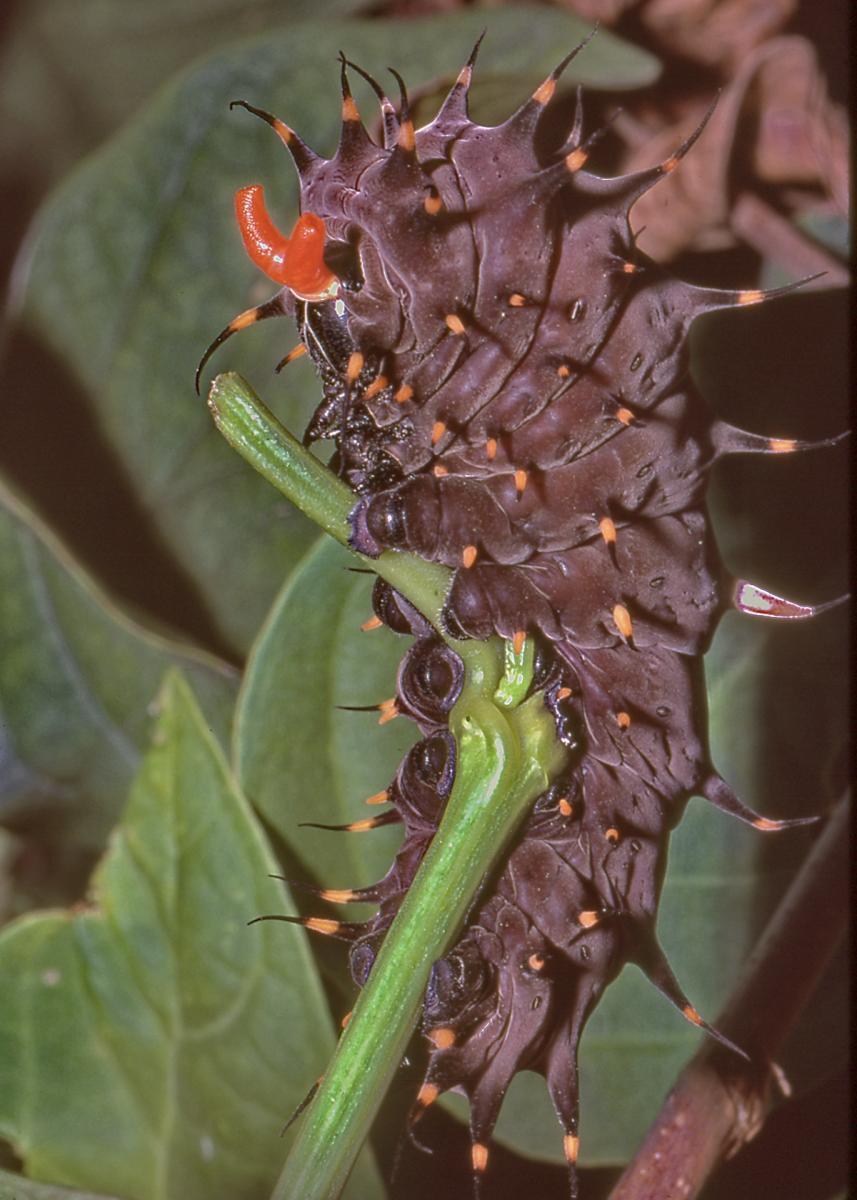
The main food plants of the larvae are Aristolochia acuminata (sometimes called by its synonym A.tagala)in lcoastal areasbelow 500 m and Pararistolochia deltantha in upland forests including Paluma. Mature larvae can be as thick and long as your thumb. If disturbed, they extrude distinctive reddish horns (osmeterium) that produce a fetid terpene compound to deter predators.
4. Golden Orb Spider (Nephila pilipes)
The Golden Orb spiders (genus Nephila) are a group of large web building spiders that have grey abdomens and swollen and often yellow leg joints. The silk of the webs is distinctly yellow and surprisingly strong. In some South Pacific islands the silk is formed into a ball by local fishers and used as a sticky lure to entangle the serrated beaks of garfish.
In Paluma the common species is Nephilapilipes, and it can be seen in forest clearings and in gardens around the village. Despite their daunting size the bite of this spider is not dangerous. It captures and eats a variety of insects and the occasional small lizard that gets caught in the web. Very small birds have been recorded (very rarely) in Nephila webs, but it is highly unlikely that they would be fed on.
Two other spiders can frequently be seen sharing the web of the large female Nephila. The first is a small brown spider the size of a fingernail. This is actually the male Nephila, which can be distinguished by the enlarged brown palps near the mouth and shaped a bit like boxing gloves. Males of many orb-building spiders live a precarious existence, driven by an attraction to the much larger females, who must be suitably seduced by a complex pattern of plucks to the web before they are safe to approach for mating purposes. If the seduction fails, or wears off too soon, the hapless males are likely to be devoured by the target of their attraction.
male Nephila pilipes on female
Argyrodes antipodianus (Photo by Scott W. Gavins CC by NC)
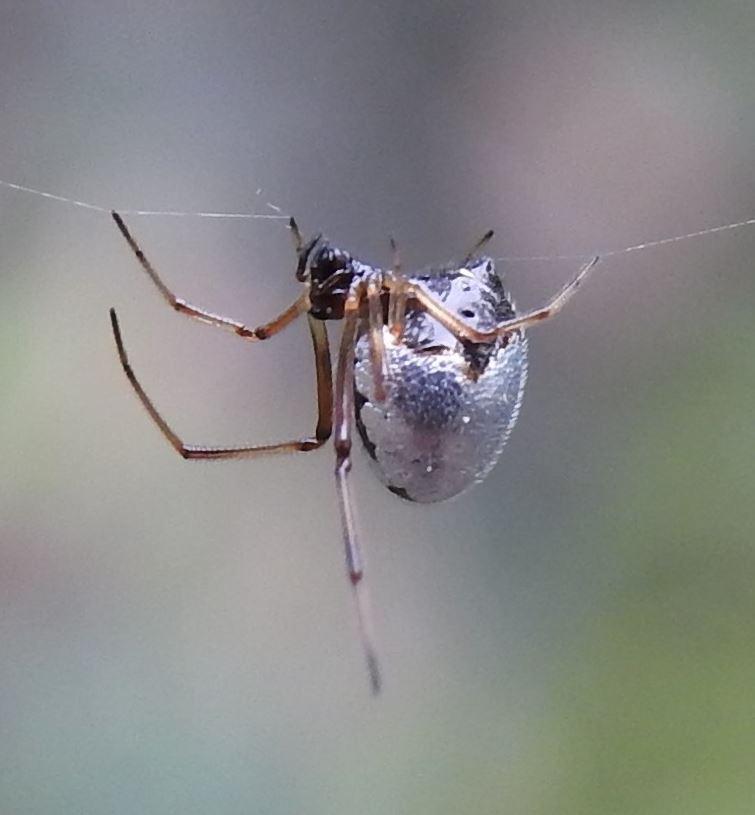
The second spider often found on Nephila webs has a tiny silver teardrop body and belongs to the genus Argyrodes (most likely Argyrodes antipodianus). These spiders act as “kleptoparasites” stealing smaller food items from the larger spider’s web, or even from its mouth. To avoid being eaten by Nephila it builds a separate web intertwining its host’s, thus avoiding attention from its movements in search of prey to steal.
5. Jungle Huntsman Spider (Heteropoda jugulans)
The jungle (or brown) huntsman spider is another large, long-legged spider that is commonly seen in and around houses and sheds in the village. Its long legs (longer in front) are often held in a crab-like pose. This spider does not build a nest, but hunts at night chasing small insects, which it kills with a bite to the neck from its curved fangs. Although capable of biting humans, the bite produces only local pain and redness for less than an hour. They tend to be timid animals and will quickly flee if approached. During the day they will hide under the flaking bark of trees or in the cracks and corners of walls or behind pictures in houses.
Photo by Michele Bird (probably Heteropoda jugulans)
GAMES NIGHT at the Community Hall will be held this Saturday 29th May, commencing at 4 pm.
This will be an afternoon/evening of games, sport and most of all FUN to be hosted by none other than Peter (Captain) Klumpp. Come along to join in on a game of social table tennis, darts and pétanque, or all three. You can rotate through the activities and play them all if you wish!
Don’t know how to play? – Don’t worry, you can learn the games on the night. The emphasis is on FUN, LAUGHTER and COMMUNITY.
The Bar will be open for drinks and the PDCA will provide a $2.00 Sausage Sizzle with Lynda at the BBQ.
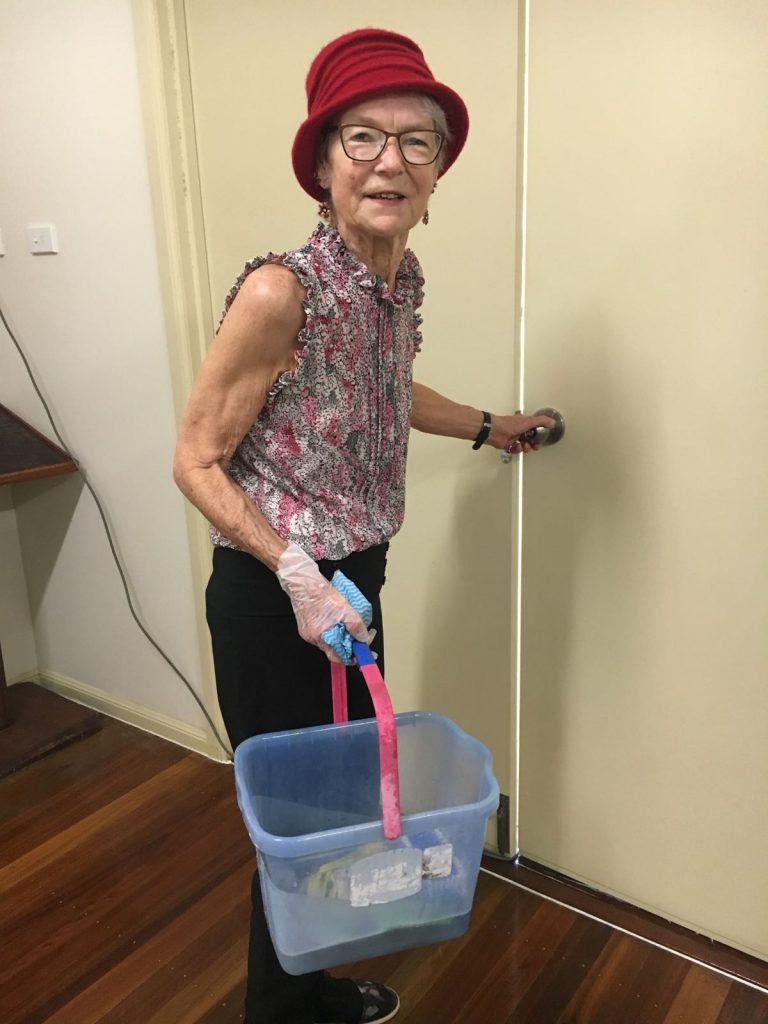
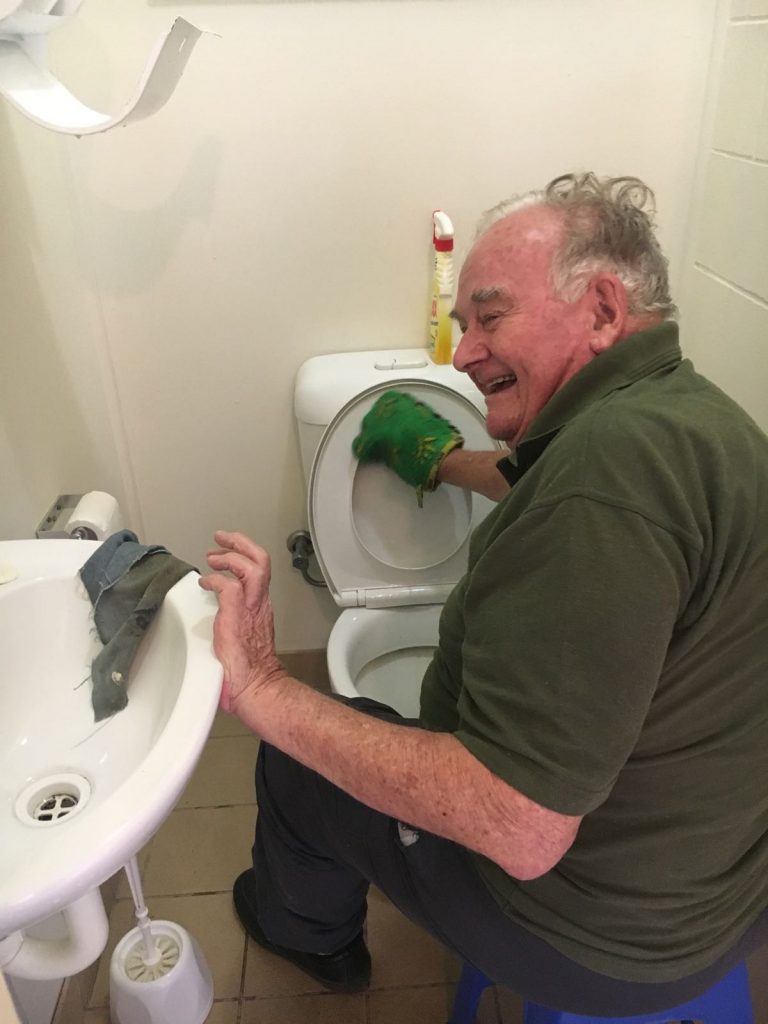
A small group of volunteers spent much of their Sunday (23/05/21) cleaning the Community Hall. The activity was frenetic as they washed, swept, scrubbed, polished and water-blasted away the mould, mildew, dirt and grime from the Community Hall – inside and out. While the number of volunteers was small, the enthusiasm and the dedication to sprucing up the Hall was high. The sturdy cleaning crew were Lynn, Les, Charlie, Colwyn, Wilfred, Colin, Michele and Bruno. Whilst Jamie could not make it to the Hall on Sunday, he is busy washing all the cloth sails from the ceiling.
Thanks to the volunteers for a job well done. Here’s the crew in action!
Charlie did a great job of making the windows sparkle.
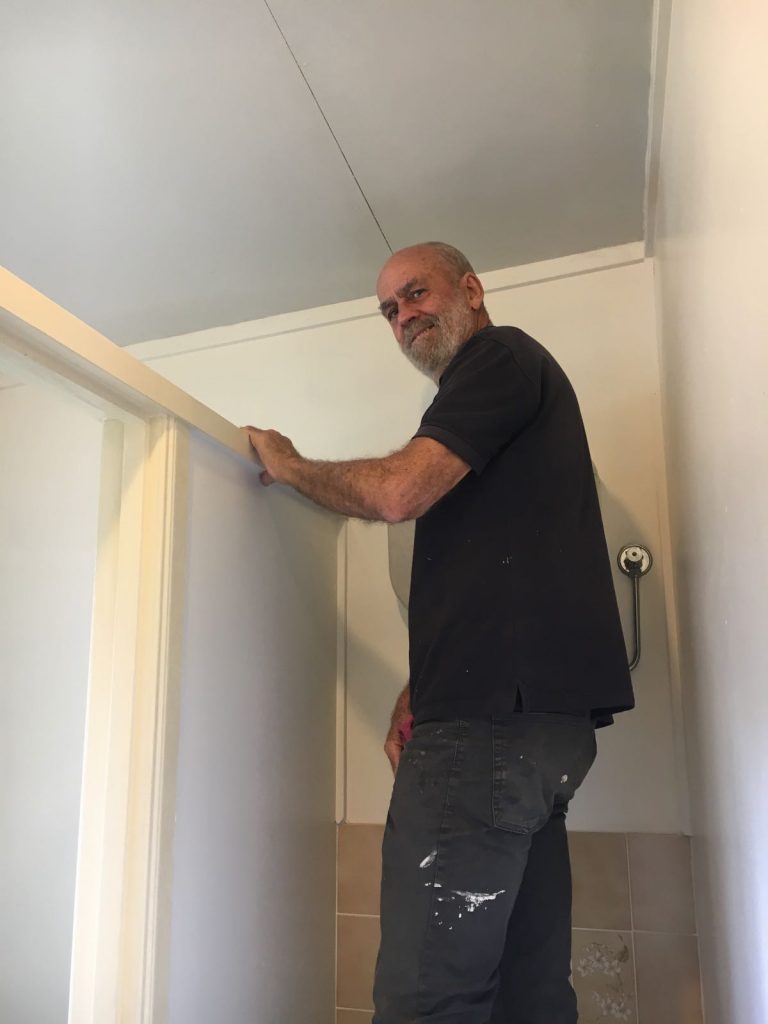
Colwyn washed every door in the Hall, inside and out (whilst still looking glamorous!)
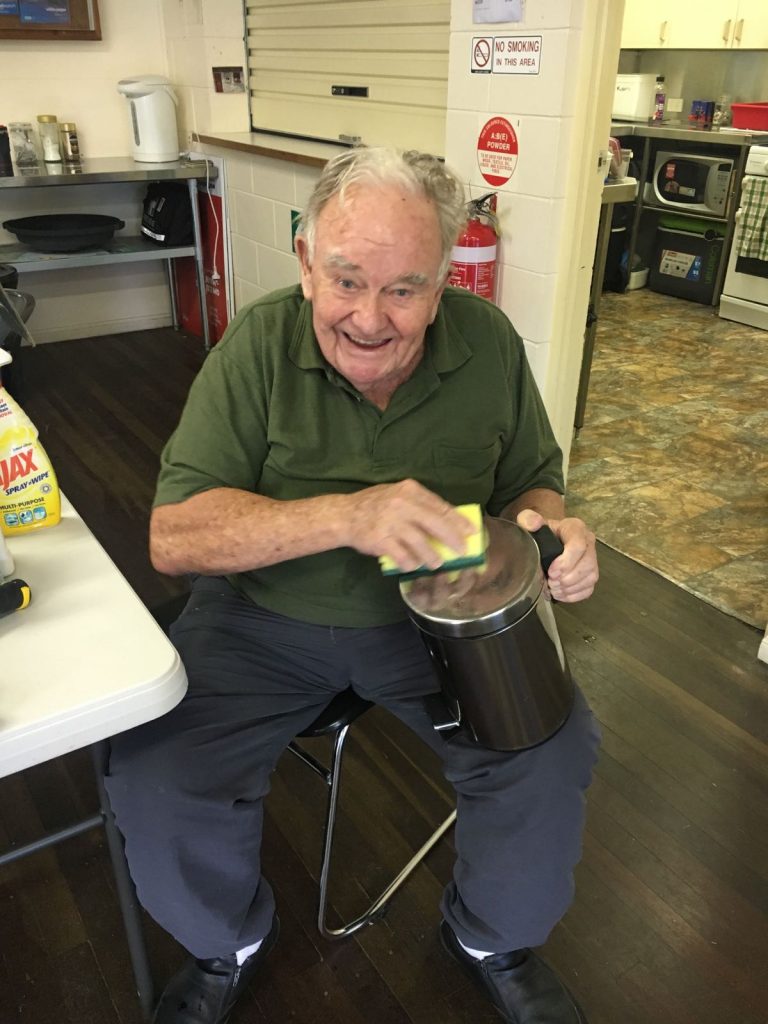
It’s a dirty job, but Les was there to do it!
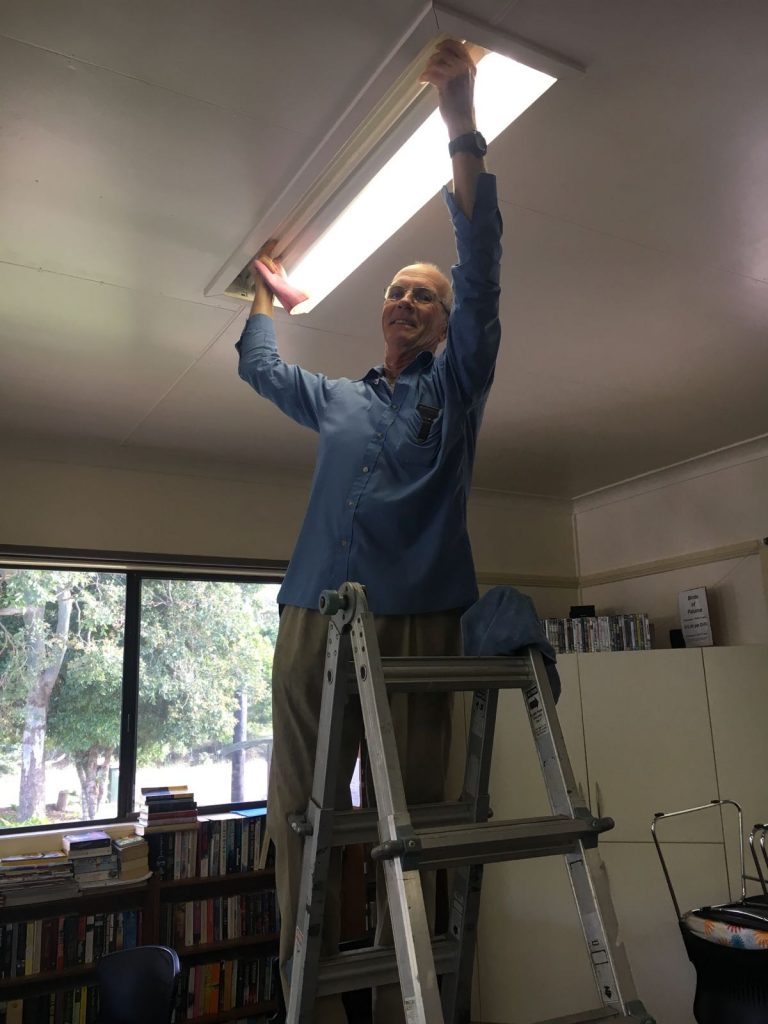
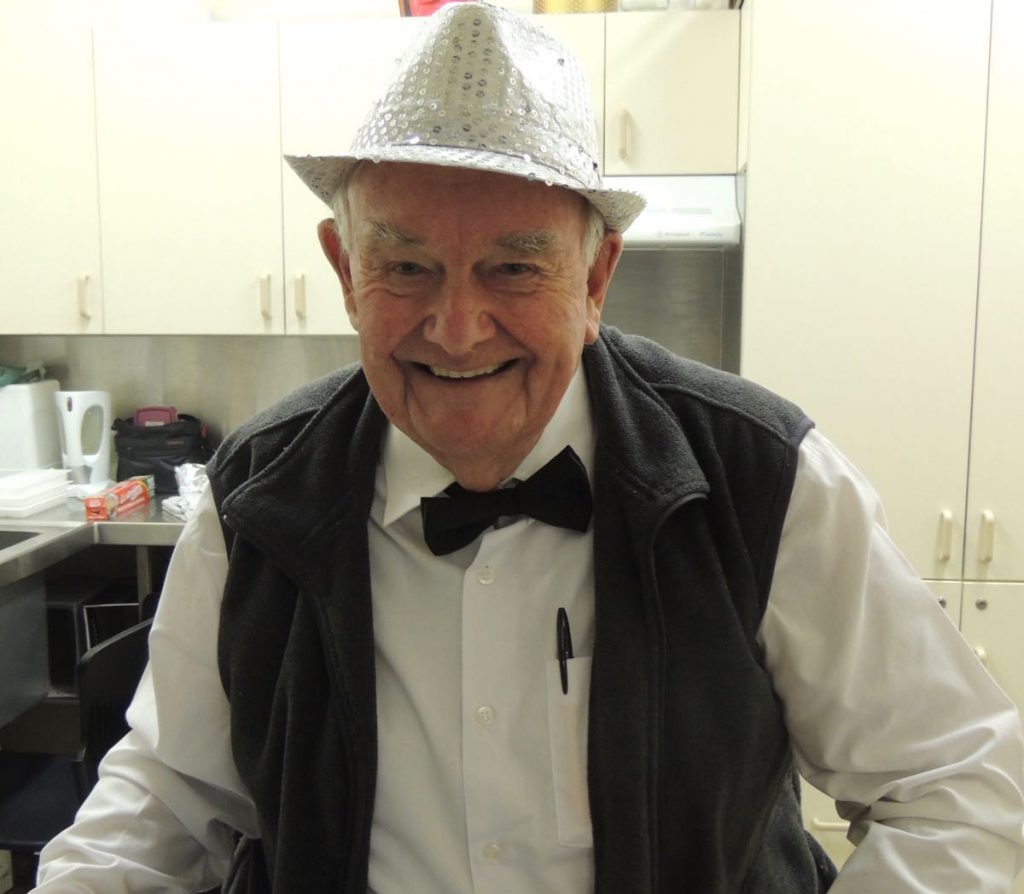
Wilfred cleaned all the skylights, light recesses and the cabinet.
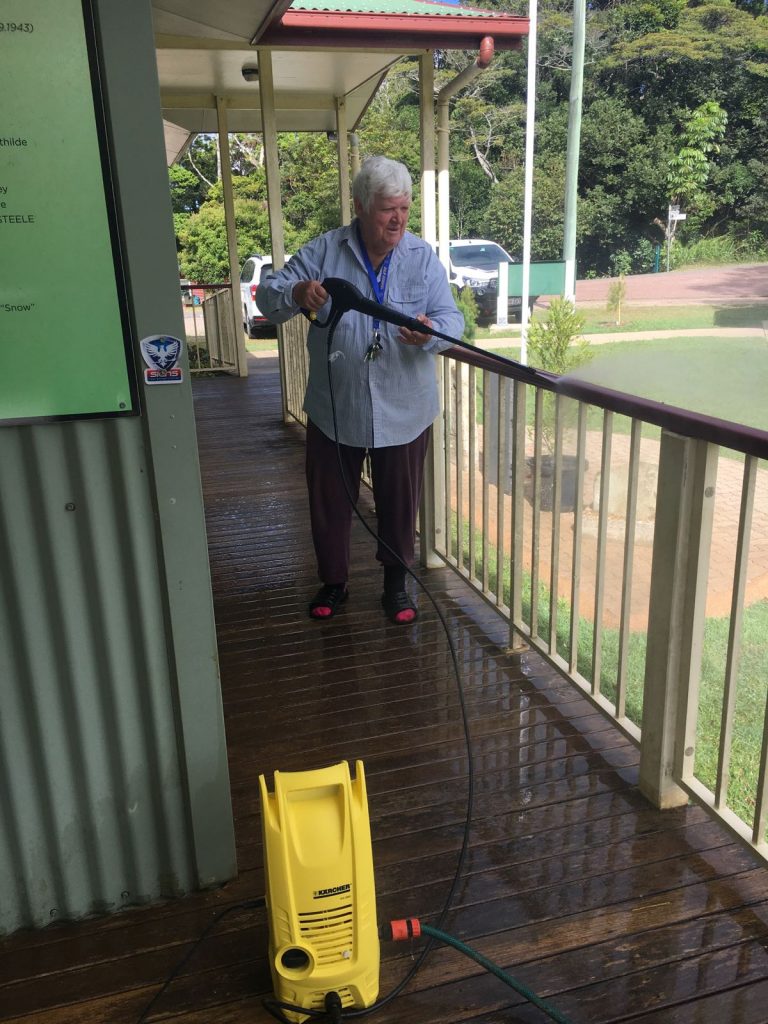
Lynn was downright dangerous with her water-blaster removing mould from the deck.
Colin cleaned the ceiling throughout the entire Hall.
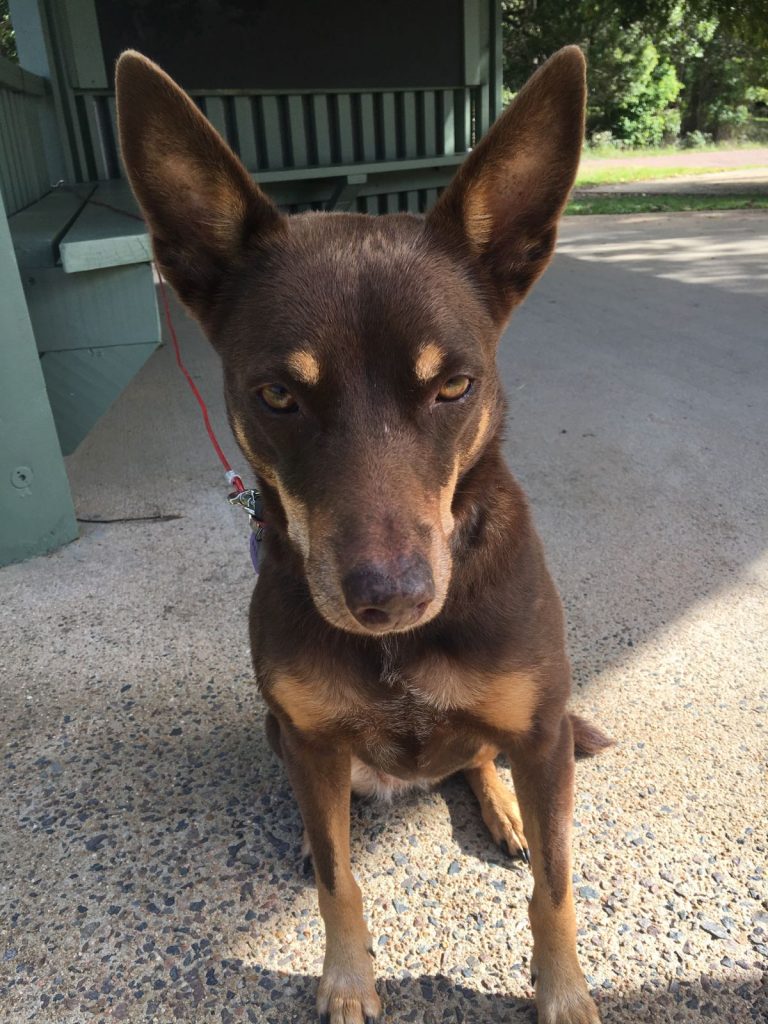
Jess the Kelpie kept an ear on things…..
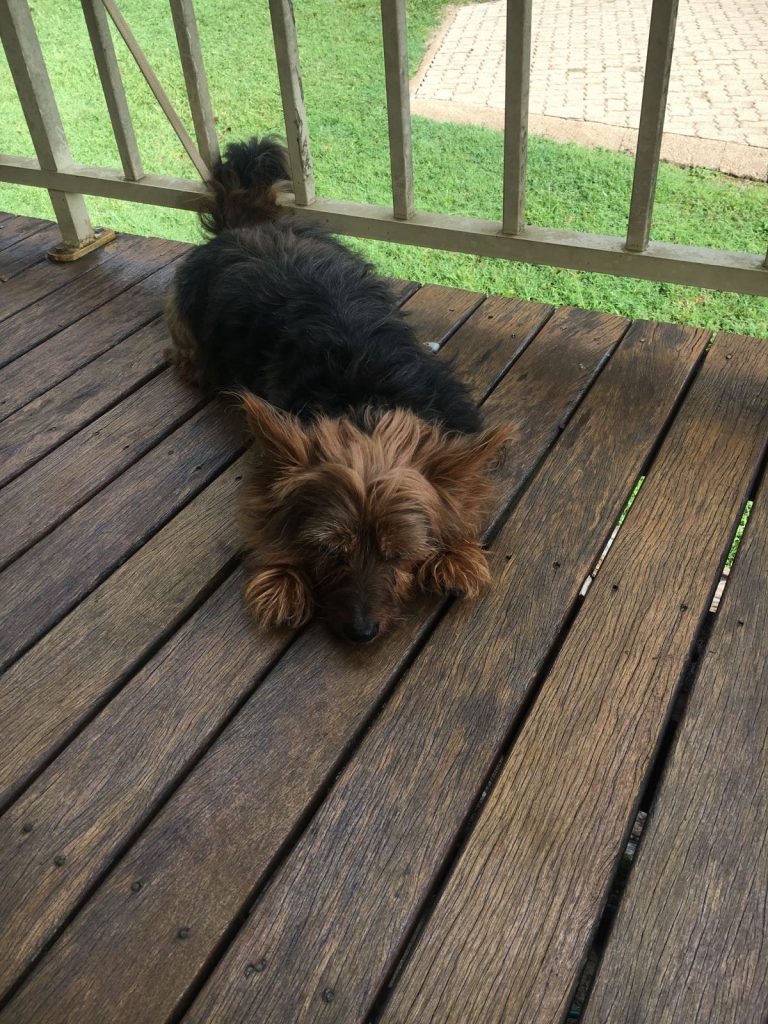
Flossie thought it was all too much trouble and took a nap.
Les was polishing this tin like it was a magic lamp…..!
The Paluma Social Event of 2021 is fast approaching in June.
On Saturday 12 June 2021 the village of Paluma will host a 90th Birthday Party for our very own esteemed Elder, living legend and champion volunteer (of just about everything) – Sir Leslie Hyland.
Mark the date in your diary people, as this is an event not to be missed.
When: Saturday 12 June 2021 at 6.30 pm.
Where: Paluma Community Hall
What to Bring: A dish to share – savoury or sweet, hot or cold.
Please come along to join your friends, neighbours and fellow ‘Palumerians’ to pass on your regards to Les and to share your favourite story, tale or anecdote about Les, or to tell an Irish joke or two. Yes, all Irish jokes are permitted at this event!
Beverages can be purchased at the bar and tea/coffee will also be available.
We look forward to seeing everyone at this event and this is our chance to thank Les for his many years of dedicated service and volunteering in our village community. See you there – to be sure, to be sure.
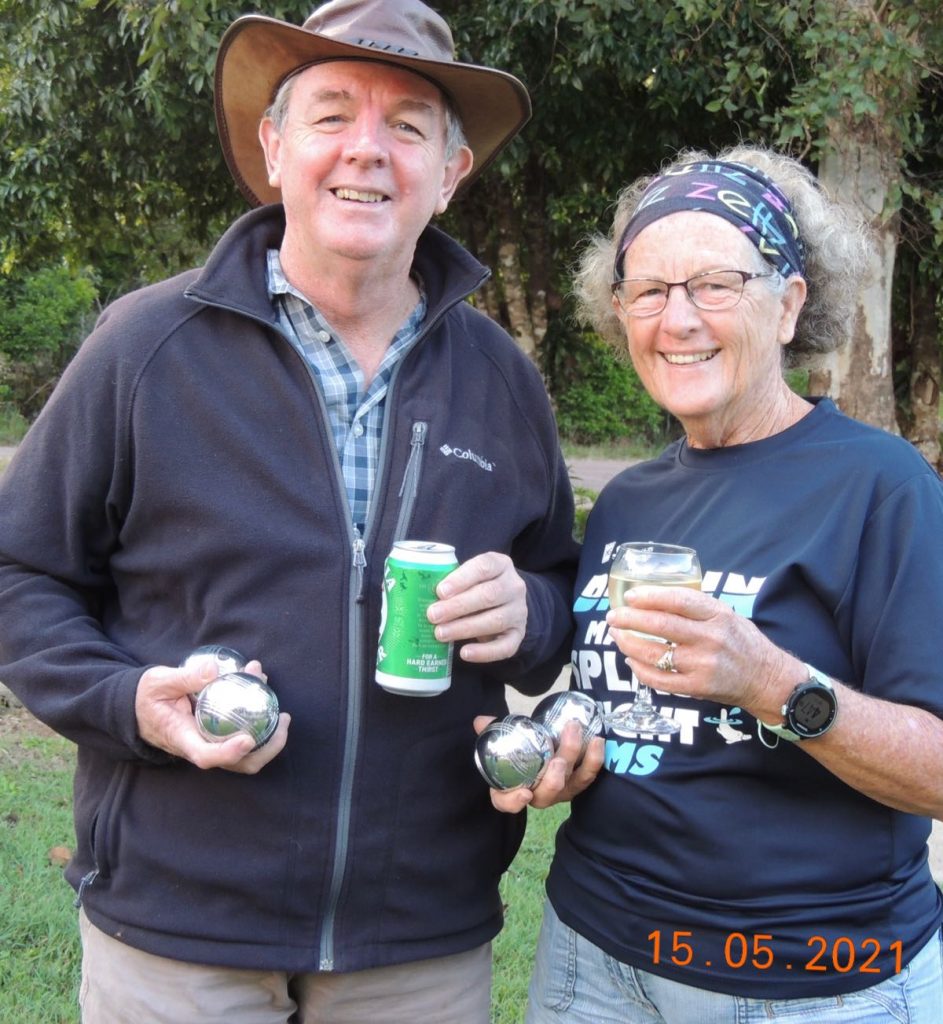
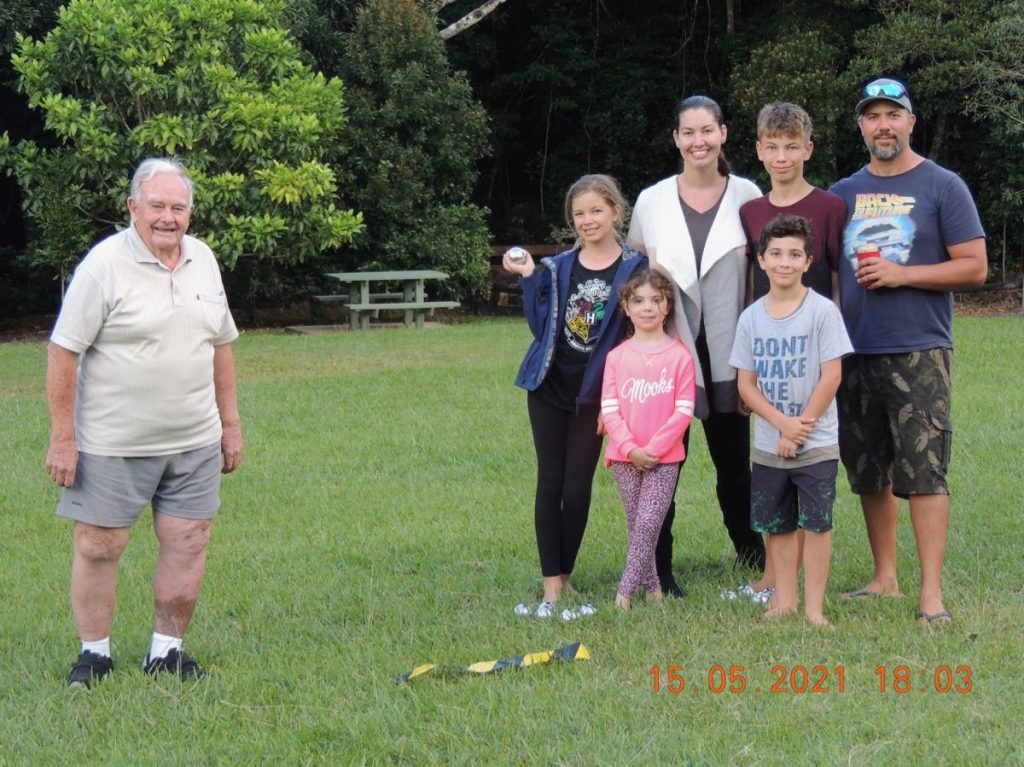
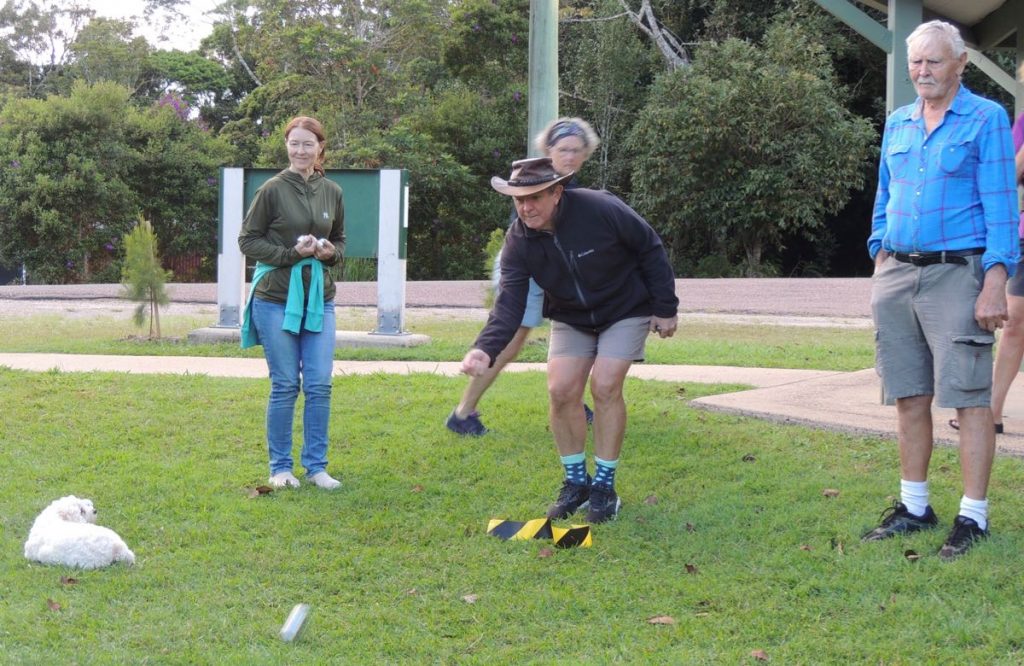
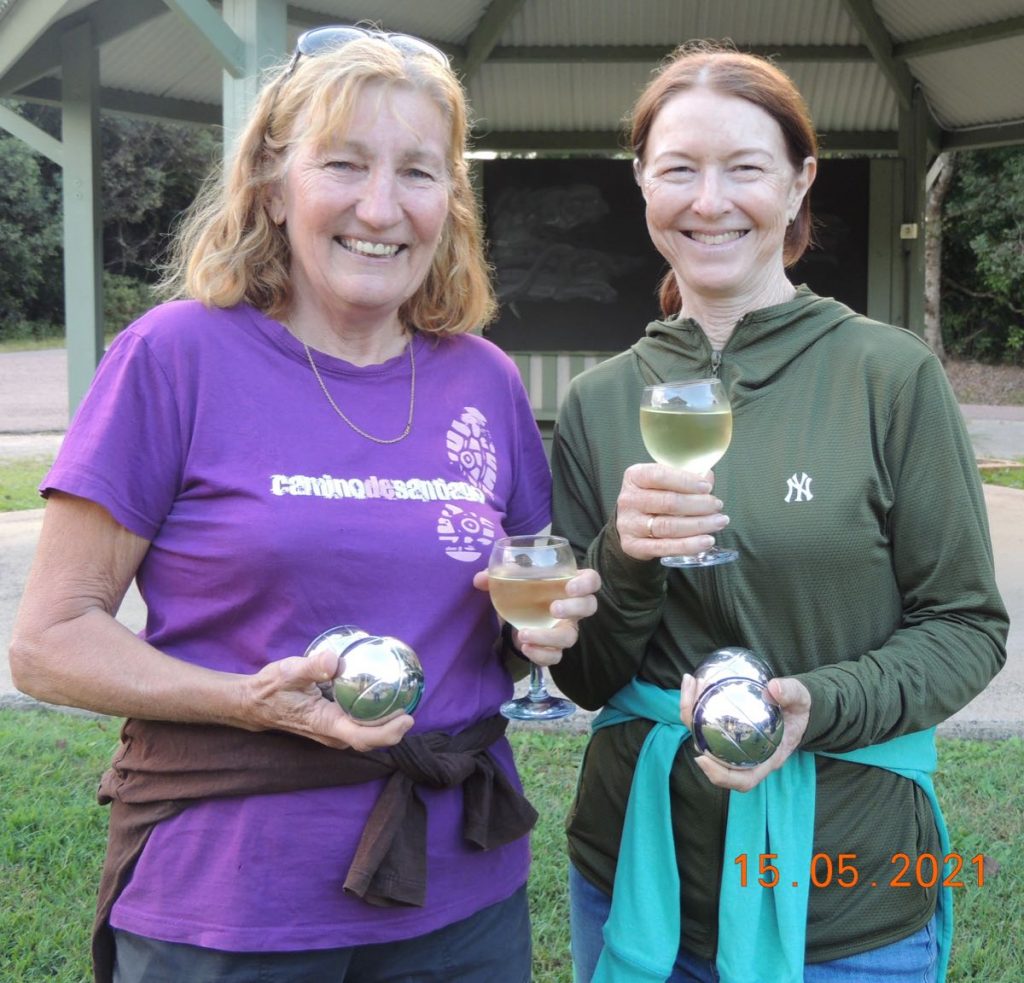
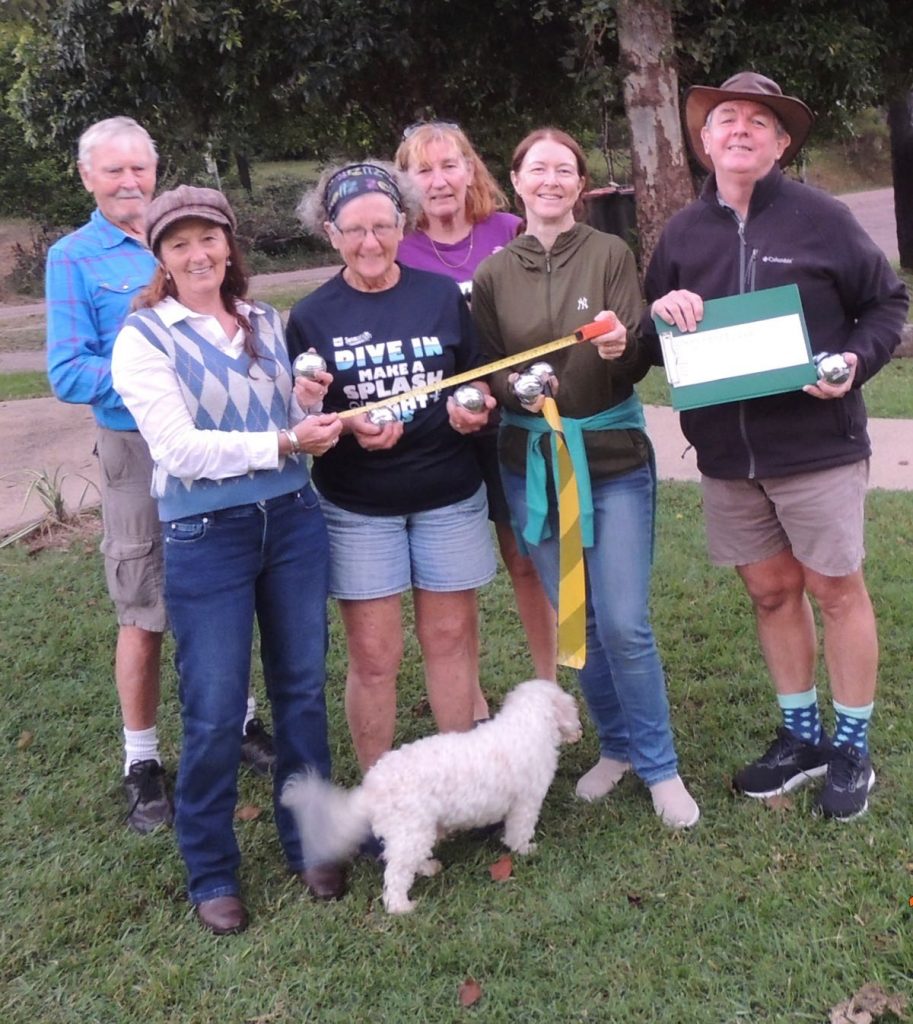
A small, but very enthusiastic group of Pétanque players gathered on the Village Green on Saturday afternoon (15/05/2021). Well, perhaps it is a stretch to say we were all Petanque players, but by the end of the session we had all learnt a great deal about the game and had honed some new skills. Twelve players gave us enough for two teams and there were even a few spectators who came and went during the course of the afternoon.
Expert coaching was provided by Les and Lynn Hyland, who not only provided their pétanque sets for us to use, but also gave us a crash course on how to play the game. Scoring was undertaken by Lynn who kept a sharp eye on any would-be cheating during the play!
Players quickly developed a range of skills which were necessary given the sloping terrain on the Village Green and the deep grass cover. By the end of the afternoon, ‘Team B’ led by Captain Bruno were the valiant winners. Bruno invented a new technique in the game with the ‘Pentaque lob’.
All in all, a great deal of fun and laughs were had by both players and spectators. Drinks and snacks were enjoyed after the game and everyone agreed we should play again very soon.
A reminder that the next Social Event at Paluma will be ‘Pétanque on the Village Green’ this Saturday 15th May, commencing at 4 pm.
Come along to show off your championship skills at Petanque, or come along to learn how to play the game.
Please bring a plate of finger food or nibbles to share on the deck of the Community Hall after the game. The Bar will be open for low cost drinks in support of the PDCA.
Please come along to share in some good sport and friendly, but feisty rivalry as the ‘Village People’ (those that live in the village) take on the ‘Republican Bush Whackers’ (from the western outer blocks). It is sure to be a riveting competition. See you there….!!
The Townsville City Council has recently emptied the recycling bins at Gumburu, which had been full to capacity for some time. Paluma residents can once again use these bins to dispose of recycling material.







_(9874865575).jpg?bwg=1616307457)