Posts

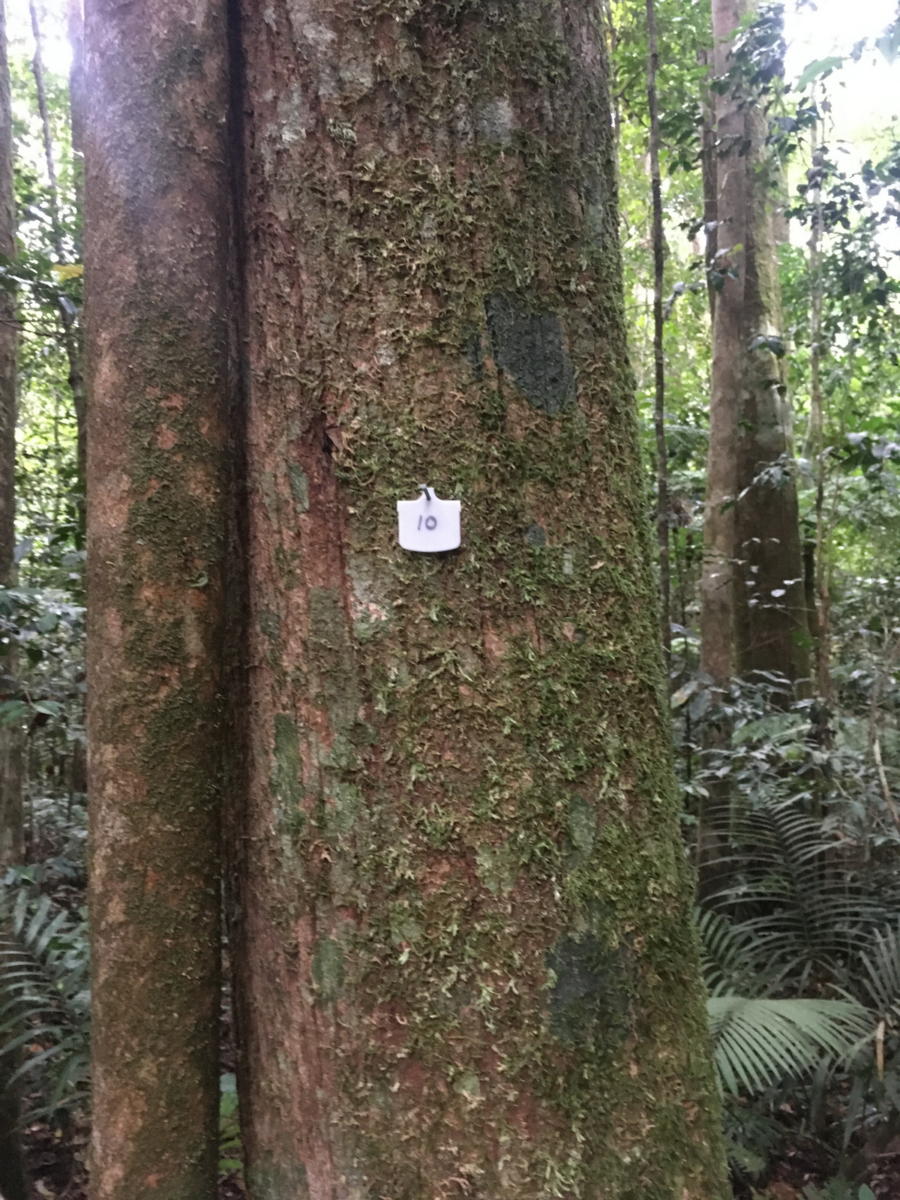
Rainforest Tree of the Month, July 2021 – Yellow Pittosporum

Yellow Pittosporum (Pittosporum revolutum) is also known as Hairy Pittosporum, Brisbane Laurel and Lemon-fruit Pittosporum, the tree is a member of the family Pittosporaceae. World-wide there are up to 200 species of Pittosporum; 16 species within Australia with six occurring in Tropical Queensland.

The name derives from pitys (pine or resin) and spora (seed), referring to the sticky seeds. Revolutum derives from revolutus, (rolled back) referring to the leaf margin.

Yellow Pittosporum usually remains a shrub, growing to around 3 metres but occasionally will grow to a small tree.  There are separate male and female plants. Yellow Pittosporum occurs naturally from Queensland to Victoria in rainforests as well as in wet sclerophyll country at altitudes up to 1100 metres.  It is an attractive shrub, eye-catching when bearing its bright orange or yellow fruit. 

Yellow Pittosporum leaves are simple, alternate or opposite; they have wavy edges and are clustered towards the ends of branches, making them appear whorled.  Leaf size can be 50 -220 mm x 15 – 70 mm.  The upper side is slightly hairy but the underside is covered with dense, rusty hairs.  Small scale-leaves are usually present.  Lateral veins on the leaf curve well inside the lateral margin, forming distinct loops.  Small white or brown lenticels (small raised, corky areas) are usually visible on the twigs.

Fragrant, yellow flowers are carried on axillary or terminal umbels or racemes during August to October.  They are partly tubular, opening to five petals.   The calyx can be green, yellow, red, purple or brown.

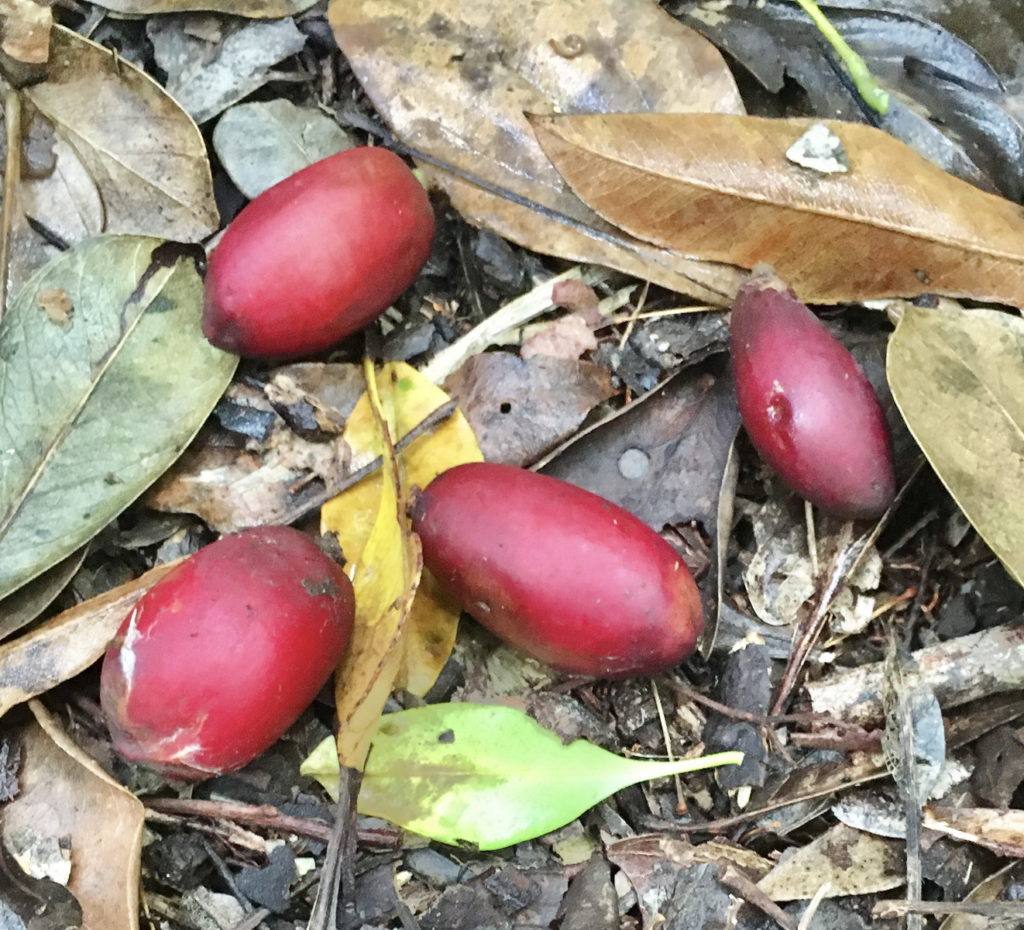
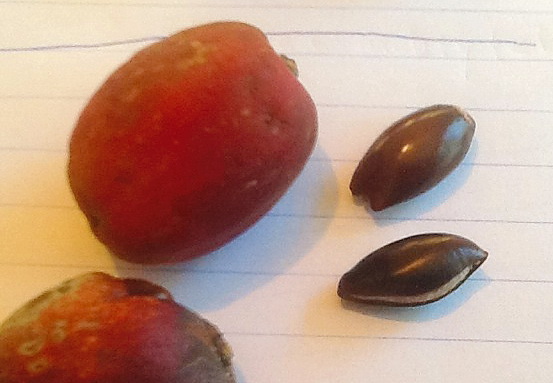
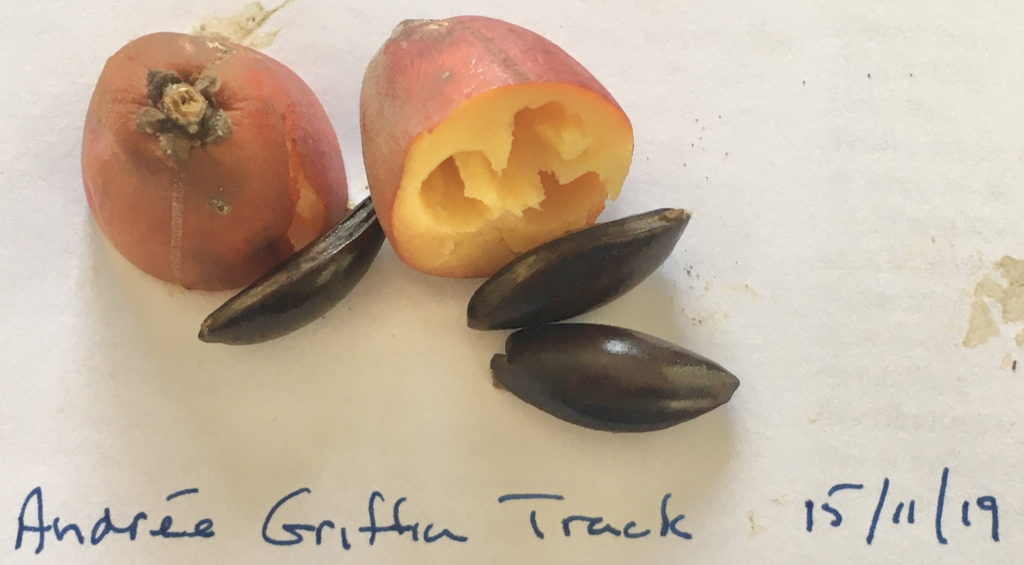
The yellow to orange fruit capsules appear from April to July.  The capsules are warty or lumpy surfaced, about 12-25 mm x 11-21 mm in size and may be two or three valved. These carry 20 to 76 red, sticky seeds.

The seeds are eaten by Satin Bower-birds and Figbirds while the flowers attract bees, butterflies and other insects.   Although the seeds are bitter it is known that they were eaten by Aborigines.  Uses for the plant range from hedges and screening, erosion control (it germinates readily and is fast-growing), and for fragrant oils.

Around Paluma, I have found the Yellow Pittosporum growing in the re-vegetation area just outside the village and among the plants along the roadsides.  Flowering could be any time now, and there may be some late fruit clinging to the branches, so keep a lookout for this attractive plant.

Text and drawings by Colwyn Campbell

Paluma to host Freedom of Entry March for HMAS Paluma (IV)

On Saturday, August 7th, Paluma will host a “Freedom of Entry Parade” to celebrate the decommissioning of the HMAS Paluma (IV), a Navy hydrographic survey vessel that is (indirectly) the source from which our village got its name.

The original Paluma in ca 1890Paluma IV ca 2010

When the vessel was originally commissioned in 1989 it was granted “freedom of the city” of Thuringowa at Paluma. This included an official ceremony in which armed navy officers marched into Paluma, where challenged by Police and, on producing an official scroll that authorised their entry, were formally granted permission to continue marching through the village. Following other formalities and speeches, refreshments were served and there was a cricket match between the Navy and villagers that was handily won by the village!

Some three decades later the HMAS is now to be decommissioned and the Navy has suggested that one final march through city would be a fitting part of its final days in service. It promises to be quite a spectacle!

The ceremony and parade will be similar to the one in 1989 and all residents are invited to attend as spectators. The event will start at 11am. Food and refreshment will be provided afterwards at the Community Hall.

The original vessel that Paluma was named after was a gunboat built in 1884 in response to a perceived threat to the colony of Queensland from the Russians. Upon its arrival in 1885 its defence capabilities were considered redundant and it was converted into a hydrographic survey vessel. During its early surveys, it named the northern extension of Hervey Range as the Paluma Range. Our village was subsequently named after the mountain range it is embedded in. There have been four vessels bearing the name Paluma. The most recent is the HMAS Paluma (IV)

For a more detailed and highly readable account of the history of all the Paluma vessels, Linda Venn’s book on “Paluma, the first 80 years” has a section dedicated to this topic. You can read this section here.

Paluma RFS “Thankyou” BBQ for all Paluma Push volunteers.

The Paluma Rural Fire Brigade would like to thank all volunteers who helped during the Paluma Push by hosting a BBQ and drinks at the Community Hall on Saturday July 31, at 4pm.

This year’s Push was a great success due, in no small part, to the wonderful effort of the many volunteers who help to man checkpoints and attend to various logistical tasks leading up to the event. We hope you will be able to come along for a drink and a feed as a token of our appreciation.

Paluma Working Bee at Community Centre. July 31, 2-4pm

There is a huge pile of garden mulch at the Community Centre which we would like to move onto garden beds and other more useful areas. Also, a bit of weeding and planting in the garden bed wouldn’t go astray. So if you would like to help out, we are planning a working bee the Saturday after next, from 2pm to 4pm.

If you would like to help out in beautifying our Village Green and Community Hall surrounds please come along.

This will be followed by a BBQ hosted by the Paluma Rural Fire Brigade to thank all volunteers who helped out during the Paluma Push.

The Paluma Push 2021

The twentieth anniversary of the “Paluma Push” was different for all the right reasons. Sam Stedman and Aline of “Outer Limits” are to be heartily congratulated for masterminding the operation, but one must also say that it would not have been possible but for all the various helpers who were involved both before, on, and after the day of the race.


The principal difference was the holding of the race on a Saturday [July 17th] instead of a Sunday, as in all previous years.  This permitted the Saturday evening to host a huge party at Hidden Valley Cricket Oval right at the race finish.


It was also a most beautiful sunny winter day, although there were a lot of water issues, many of them on the Paluma Dam Road which is in a deplorable condition.  It was repaired in November but with material that did not stand up to the Paluma wet season and was studded with deep water filled potholes and gullies through a great deal of its length.

In the Community Hall a collection of 15 of the 20  “Paluma Push” tee shirts over the years was mounted and so much admired that it was moved to Hidden Valley for Saturday night.


The race start was on Smith Crescent in Paluma and there were five categories this year. The new one was the 100km “Crazy Course” with an extra 20km “Mt Fox Loop” at the last part of the race. There was the normal 70km and a 53km course divided between e-bikes and mountain bikes. The popular 42km Recreation Course was well supported. There were almost 650 competitors and although there were mechanical problems there were only two injuries one of which was sustained riding back on the road from Hidden Valley to Paluma after the race!


There were three electronic mats in use recording the competitors passage at Checkpoints 1, 4 and 6 reducing the number of volunteer manual number takers and improving accuracy. For the detailed results and times go to the Outer Limits website and look for: palumapushresults.


The Hidden Valley Cricket Oval was in use for camping on Friday night, but on Saturday it was transformed into a party ground with the bar run by the PDCA, three food outlets and the band “Shots Fired” providing music for dancing and created a good ambience for the really huge number of competitors, volunteers and others who seemed to all be having a great time especially those sitting around the very large bonfire that was kept blazing.


This is but a brief overview of this remarkable event but it hopefully conveys what an outstanding event the 20th “Paluma Push” was.

Text & Photos by Les Hyland

Yellow-Breasted Boatbill

The Yellow-Breasted Boatbill (Machaerirhynchus flaviventer) is a small flycatcher restricted to rainforest habitats in North Queensland. They are found from the Paluma Range north to Cape York. They tend to inhabit the middle storey of rainforests where they forage for food, mostly catching insects whilst in flight. They have a broad bill with long distinctive ‘whiskers’. The male bird has brilliant yellow and black plumage while the female is duller in colour.

From my recent conversations with some of our local bird watchers at Paluma it seems the Yellow-Breasted Boatbill is not commonly sighted at Paluma. This might be because this small bird tends to frequent the mid-high canopy in its search for food, or perhaps they are not locally common in the village?

On Sunday (11 July) I was lucky enough to come across some keen bird watchers and friends (Greg and Michael) who were eagerly photographing this male Boatbill (below) at the Village Green. The bird was flitting in and out of the canopy in the large trees at the western end of the Green. Greg has kindly shared the photographs below. If you haven’t yet seen the Yellow-Breasted Boatbill, keep your eye out next time you visit the Village Green. Just look for a flash of brilliant yellow way up high in the canopy!

Check out that broad bill…..!

Text by Michele Bird and Photographs kindly shared by Greg Calvert

Mauve Magic at the Village Green

On Saturday (10 July) I came across some rather spectacular bright purple fungi at the Village Green. There was only a small patch of these amazing fungi, poking up through the grass in deep shade. I can only suppose that the fungi might have popped up over night, because when I saw them in the early morning they looked fresh, bright and were vibrant in colour. They were easily spotted amongst the green grass. By next day and some 24 hours later, the fungi had faded to a dull brown-beige colour with only the merest hint of purple remaining around the very edge of the cap.

Bright purple fungi when first spotted on the Village Green last Saturday (10 July).

This website has featured many previous posts on the amazing diversity of fungi growing in and around the village – in various habitats from local gardens, along walking tracks and in deep rainforest. Checking these previous posts I can’t see any other examples of ‘purple fungi’ resembling those recently spotted on the Village Green. I did do a bit of googling in the attempt to identify these fungi, but being far from an expert, I gave up before too long. Can anyone help to identify these rather brilliant mauve mushrooms…..?

The first photo shows the bright purple colouring when the fungi was fresh. The second photo shows the same fungi the next day, with all the brilliant purple colouring now faded to dull brown-beige.

Text & Photos by Michele Bird

Recycle and Raise Funds

To all Paluma Residents,

Jill Meads is currently fund-raising for the Children’s Cancer Institute.

She is collecting all recyclable cans, tins and plastic bottles – all those recyclables eligible for the 10 cent refund. If you have any recyclables to donate please drop them at 26 Mt Spec Road, or give Jill a call and she can pick them up.

Thanks All.

PALUMA SHINES (Even When The Sun Doesn’t)

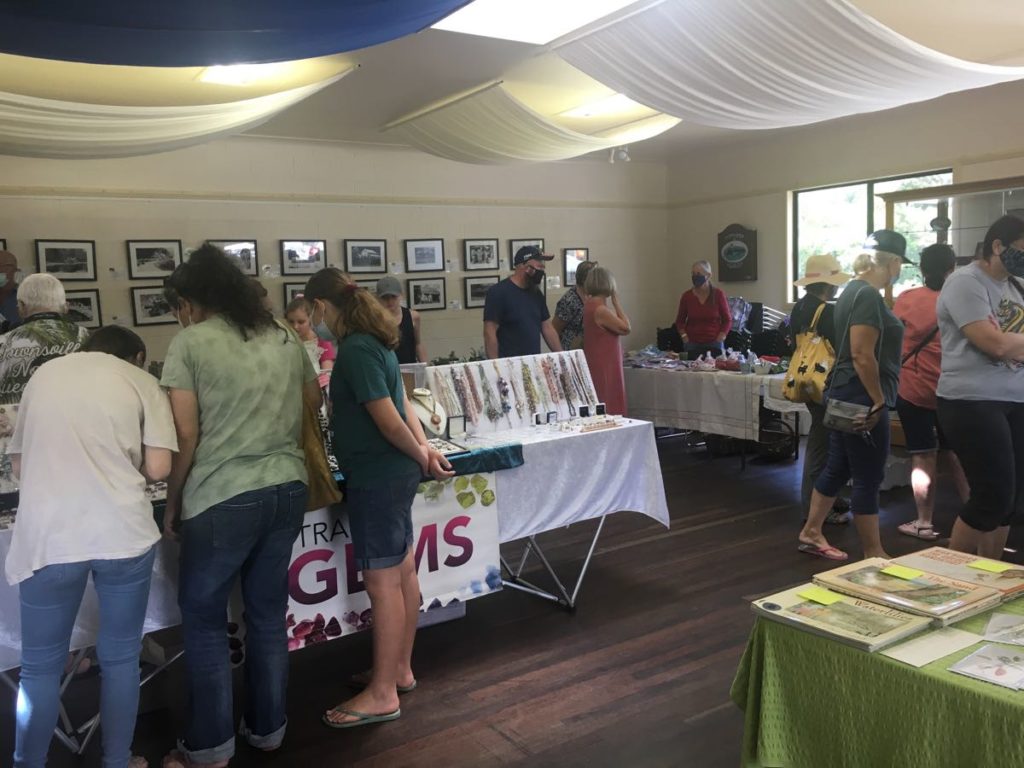
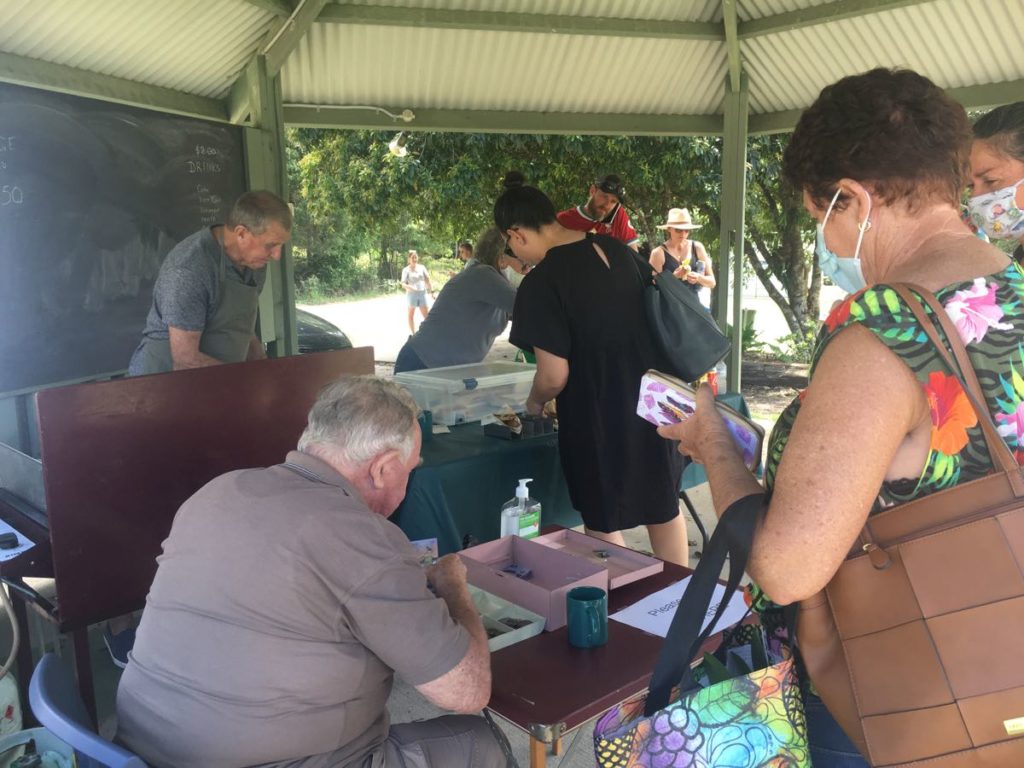
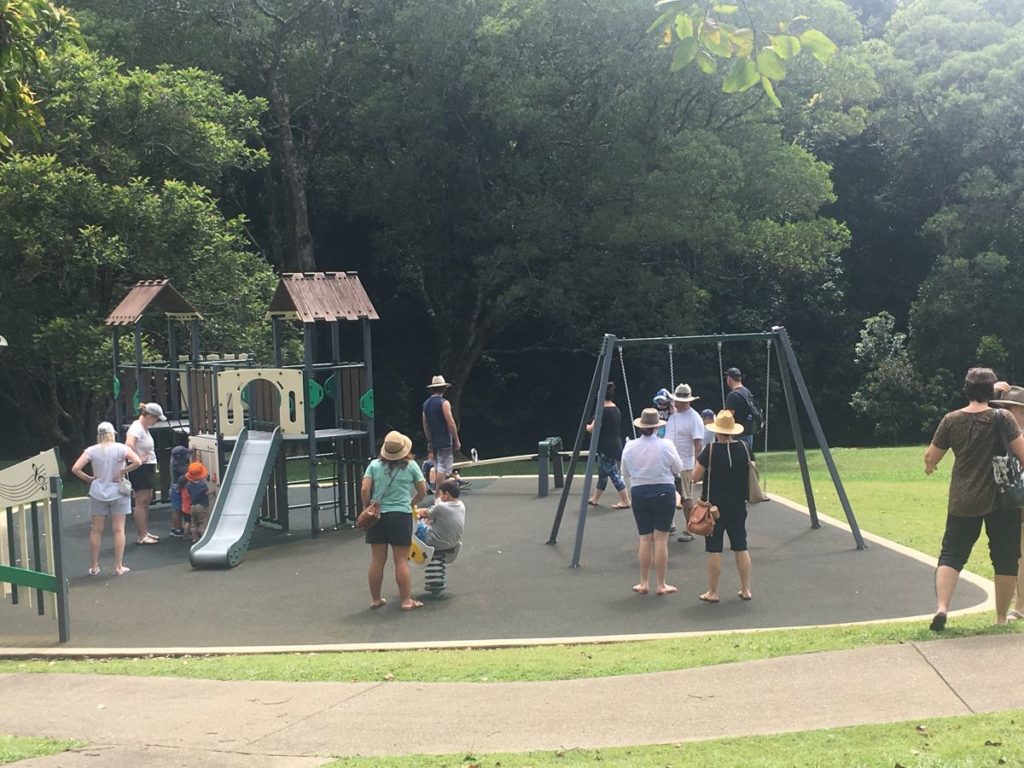
It was a very busy weekend at Paluma (26 & 27 June) with a hive of activity going on around the place. The rather cool winter weather and the thick veil of mist that failed to lift for several days did nothing to dampen the enthusiasm for the range of activities on offer – from bush dancing, bike riding, bushwalking and shopping.

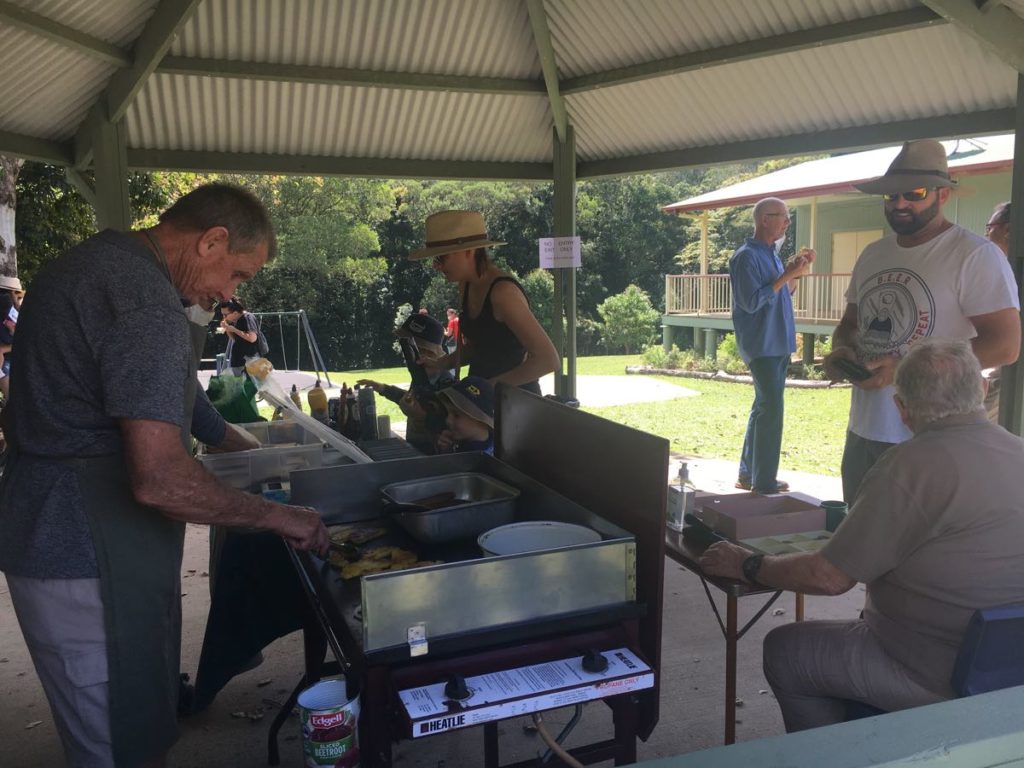
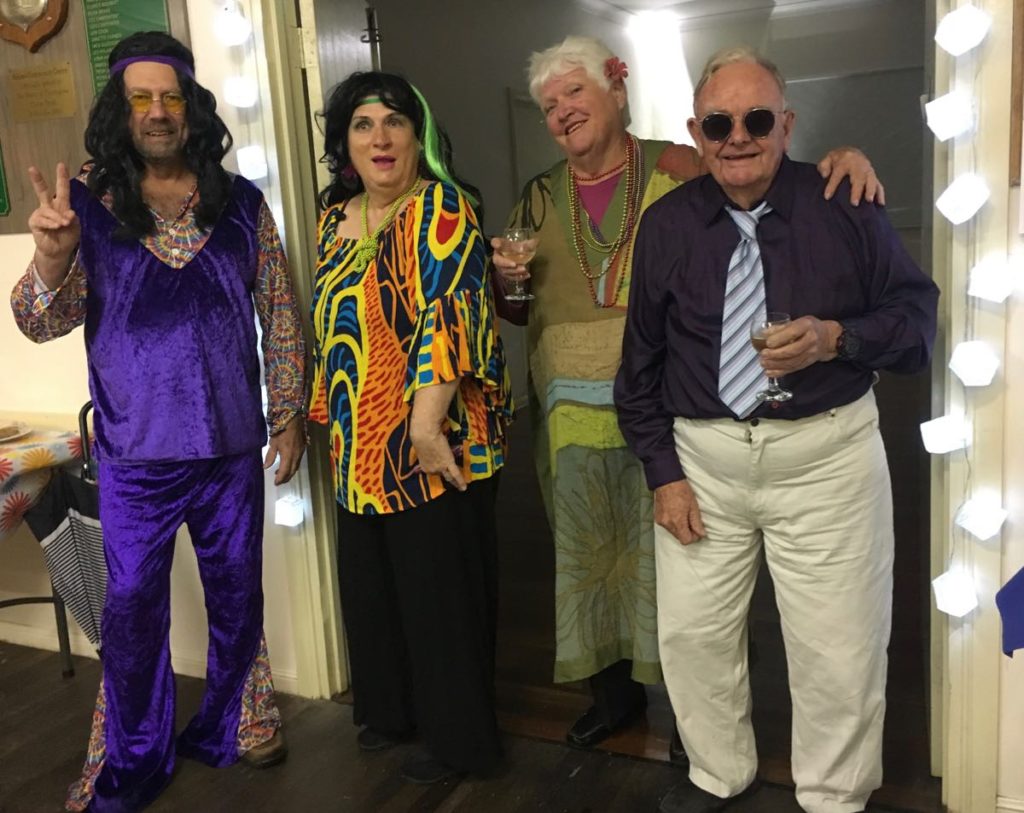
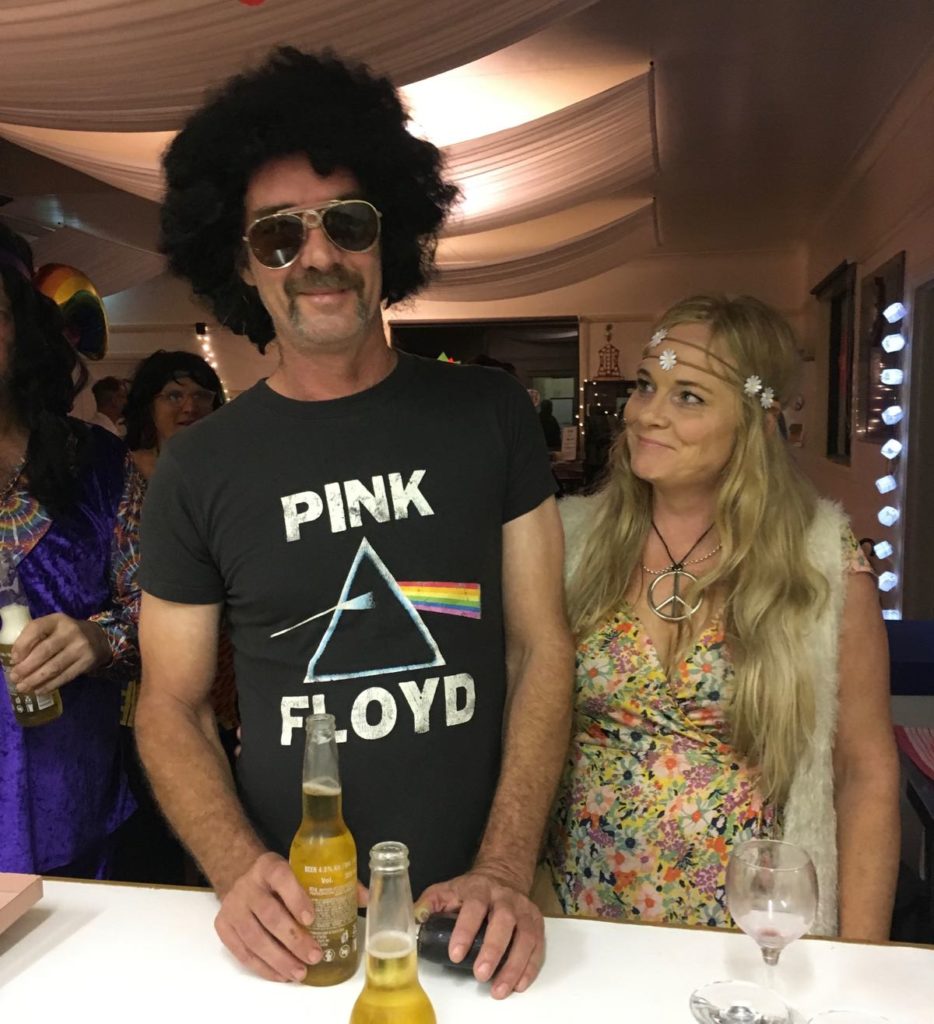
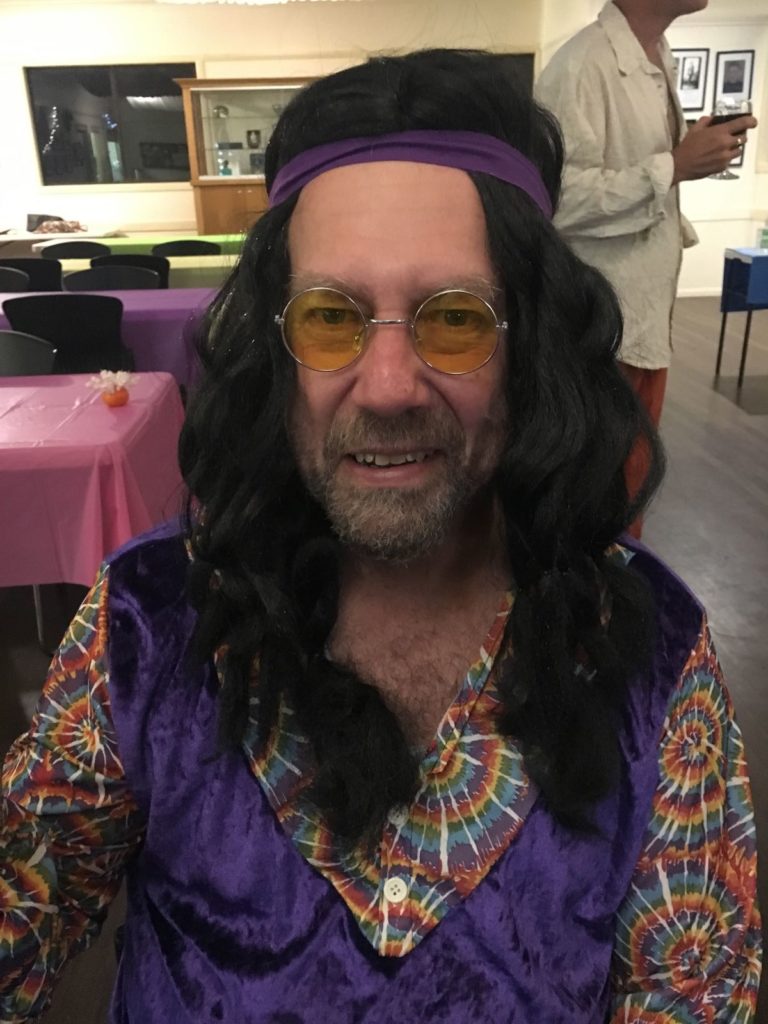
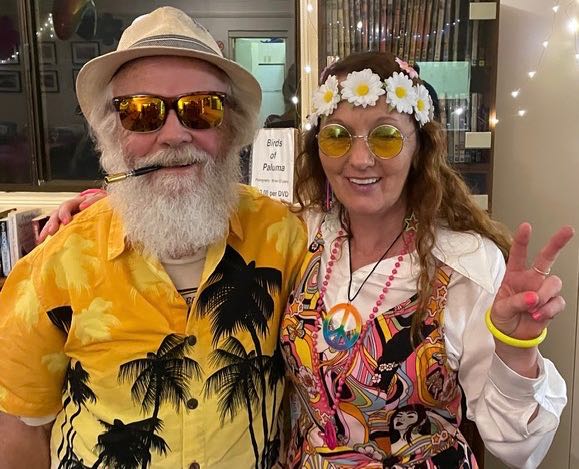
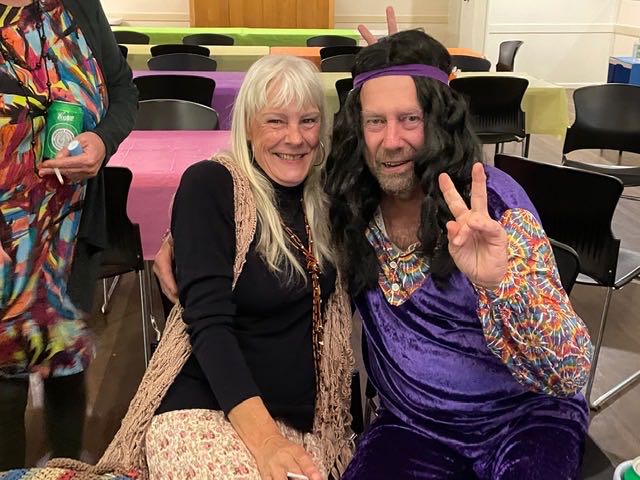
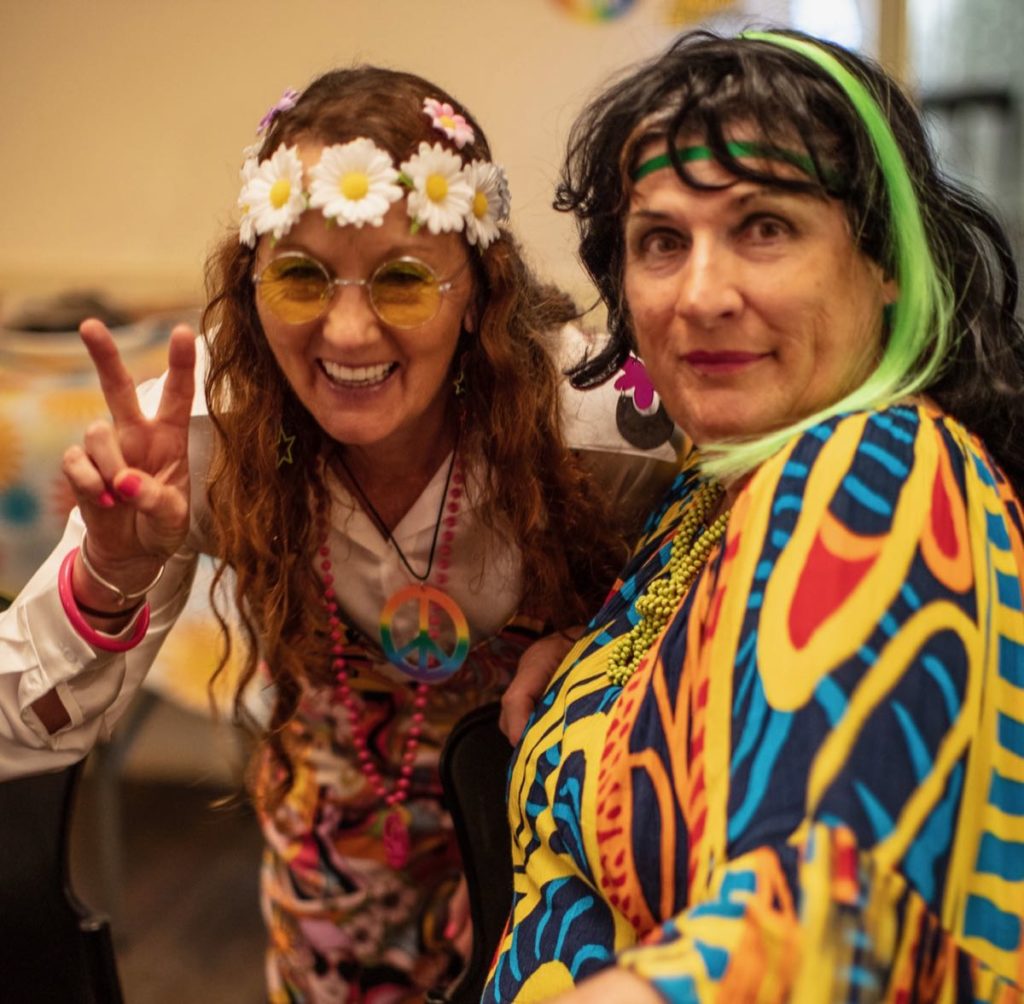
It all started on Saturday with the annual Paluma Bush Dance hosted by Wattle ‘n’ Gum. While the Dance this year was moved to the earlier time slot of 1 to 4 pm, a good crowd of more than 50 people gathered at the Community Hall to dance the afternoon away. Lynda and Don fed the hungry patrons with a pre-dance tasty sausage sizzle, which was a sell-out. From the hokey-pokey to the heel-to-toe, everyone had a great time dancing with their friends and family. We even had a visit from Sergeant Tony from Rollingstone who dropped in to say hello and sample the sausage sizzle. Barman Les was worked off his feet to keep everyone hydrated with their favourite beverages. The PDCA did a roaring trade with the sausage sizzle, bar takings and tea/coffee sales. Well done to all the Paluma community volunteers and a big thank you to Wattle ‘n’ Gum for the fantastic entertainment. Special mention goes to Jill, Suzanne and Anne who didn’t miss a single dance all afternoon!

After a good sleep on Saturday night, the action was on again first thing Sunday morning!

Sam and a very keen crew of bike riders left the village early and rode off into the mist to make a practice run for the upcoming Paluma Push. Other visitors to the village took off on bush walks and bird-finding expeditions.

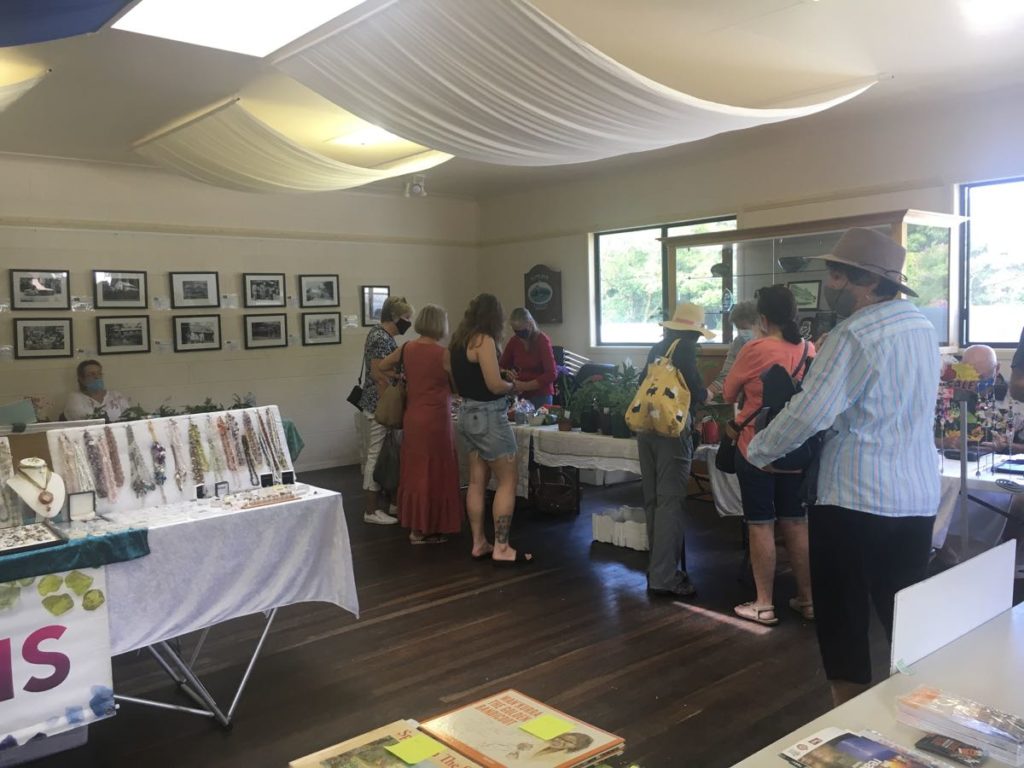
At 9 am the Paluma Market opened with Lynda and Don firing up the BBQ yet again for another sausage sizzle. Stallholders at the market reported steady trade for the day. There was a range of goods on offer to buy from plants, books, cards, jewellery, spices and condiments, handmade arts and crafts, fruit and veggies and home-baked sweet treats. Tea/coffee sales went well, boosted by Jill’s delicious fruit and nut slice (many of us ate more than our fair share!). Jill’s fund-raising for the Children’s Cancer Institute was a success and raised important funds for the charity. The winner of the ‘pick the numbers’ competition on the day was Catherine (the Spice Lady from Ingham).

All in all a very busy and action-packed weekend was had in the not-so-sleepy little village of Paluma. I don’t know about everyone else, but I need to go back to work for a rest after the weekend!

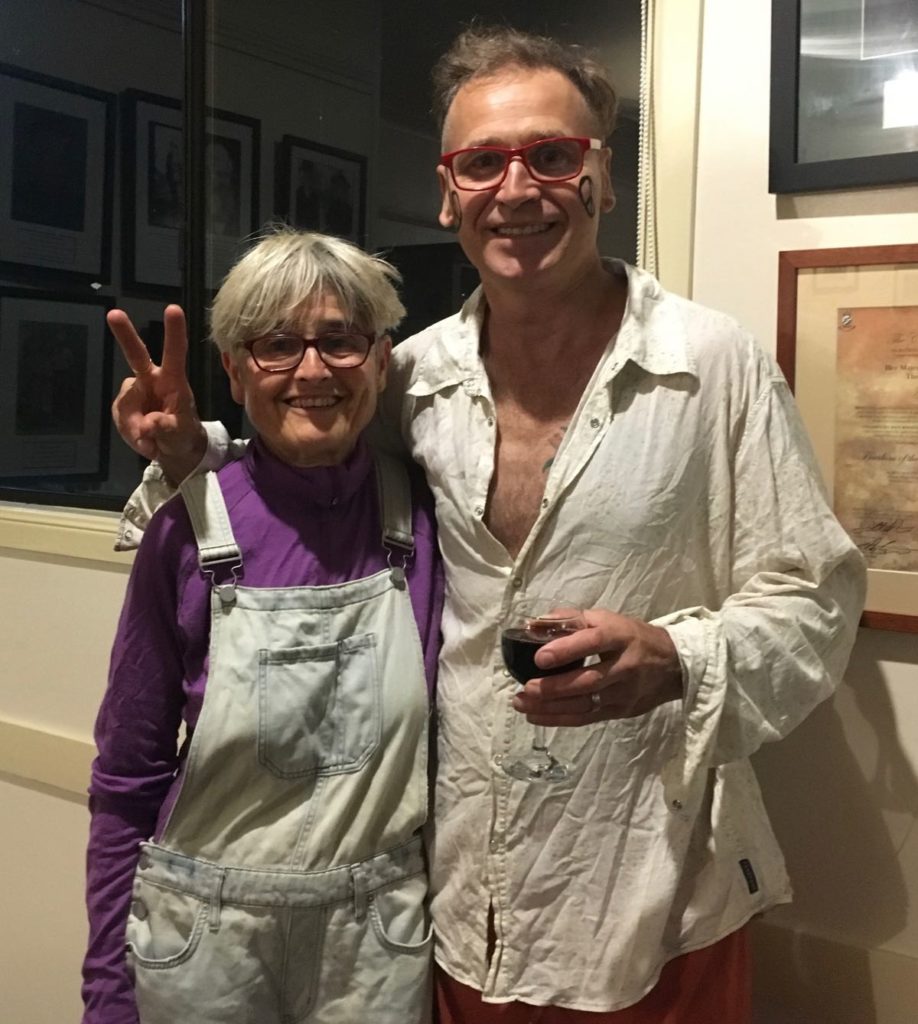
Check out these photos of some of the action over the two days…………

Roy Bird really enjoyed the sausage sizzle at the Market.

So did Colwyn and Sonya!

Text by Michele Bird. Photos by Michele, Sonya and Gail.