Posts

Paluma After Dark – A great night out

Orange-thighed tree frog (Litoria xanthomera)
Photo by Jan Cooke

This Saturday’s night walk was very well attended (17 people) and provided lots to see, especially in terms of fluorescent wildlife. We started off the walk with a rousing solo vocal performance from one of my resident orange-thighed tree frogs, with distant vocal back-up from numerous nursery frogs and one or two robust whistling frogs.

As we started our walk around Lennox Crescent the glow worms formed an unmistakeable series of “fairy lights” along one of the exposed earth banks beside the road.

Brilliantly coloured fluorescent lichens were the most common organisms visible with our UV torches, with an amazing diversity of colours shapes and patterns on trees, logs and even mailboxes!

Supplejack (Ripognium album) Photo by Peter Klumpp

Along the track to Witts Lookout we also saw some great examples of the sinouus blue fluorescing supplejack vines.

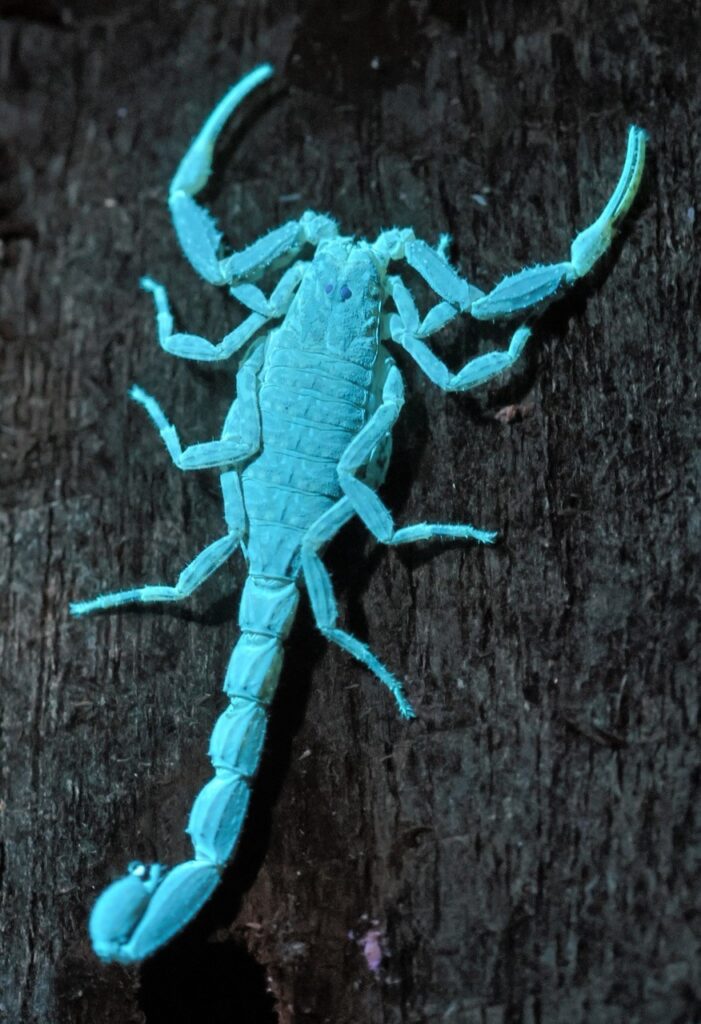
For the first time we also found two different animals exhibiting fluorescence: a small snail and a worm (not photographed).

The normal array of small nocturnal spiders, crickets, millepedes and moths were also seen. I also had a fleeting glimpse of what was probably a bandicoot hopping across the track as we returned along the Witts lookout track.

There seems to be a consistent difference in fluorescent and luminous flora between the H-Track and Witts Lookout track. Witts track had very few logs covered with the fluorescent liverwort (Bazzania vitatta) although it is very common on the much of the Lennox Crescent and back sides of the H-Track. Also there seem to be fewer luminous mushrooms. One of the group pointed out that the micro-climate on the H-track is more sheltered and humid compared to the Witt’s lookout track, which follows an somewhat exposed ridgeline that slopes steeply down to the coast. This seems a very plausible explanation. A few of us finished the night’s walk by going down the start of the H-track in order to see the large log that consistently puts on a gorgeous fluorescent display. It did not disappoint us!

The now well known “Blue Log” on the H-track Photo by Peter Klumpp

Jamie Oliver

Paluma After Dark – this Saturday, October 22, at 7pm.

Last Thursday, I did an evening walk around the H-Track with two prospective new residents (John and Anneshka) and we were rewarded with the sounds of three frog species and superb views of fluorescent liverworts and luminous mushrooms. Some of the mushrooms were bigger than I have previously seen (2-3cm caps) and we even discovered some tiny fluorescent mushrooms. The recent rains up at Paluma have definitely livened up the forest and there is more substantial rain predicted later this week, so the prospects are good for an interesting night walk this Saturday (with little rain predicted on Saturday). Some of our endemic Paluma snails are almost certainly going to be out grazing and there is always a chance of seeing a Bandicoot or Pademelon.

This time we will head to McClellands Lookout and then along the track to Witts Lookout. Earlier this year, on a night walk along this track after heavy rain, large portions of the forest floor as well as entire dead logs were completely aglow with luminous fungal mycelia so we could be in for a substantial light show.

We will meet at Potters Park on Saturday at 7pm. Bring along a head torch and UV torch if you have one.

Jamie

Rainforest Trees: Castanospermum australe

(Black Bean, Moreton Bay Chestnut)

Since coming to Cairns from Paluma, I am learning to identify a slue of plants and birds endemic to this region of the tropics.  One rainforest tree however, was familiar to me, as it would be to most North Queenslanders: the Black Bean, or Castanospermum australe.   It is native to the east coast of Australia in Queensland and New South Wales and to the Pacific islands of Vanuatu, New Caledonia and New Britain.   The Castanospermum belongs to the Fabaceae family and has the distinction of being the only species within the genus Castanospermum.

It is a handsome tree, growing up to 35 metres with fairly dense foliage of compound leaves, but the brilliant vermilion and yellow sprays of pea-like flowers are what make this tree so spectacular around this time of year, (September-October).  It was a bright carpet of dropped flowers beneath the tree that drew my attention to it.  The flowers are followed between March and May with large pods which split to reveal 2 to 3 large brown seeds weighing about 30 grams each.  The canoe-shaped pods are easily recognised.   The seeds are hairless and reminiscent of chestnuts and look quite appetising; but woe betide anyone who samples one that has not been properly prepared.

The seed is highly toxic.  Sulphur-crested Cockatoos eat them but I know of nothing else that does so. Eating one causes vomiting, diarrhoea, severe abdominal pain and dizziness and can be serious if urgent medical attention is not sought.  Sawdust from this tree can cause dermatitis, eczema and nasal irritation.  The leaves and seeds are poisonous to live-stock.  

However, the seed is a highly nutritious food source and the Indigenous people of the North Queensland coastal rainforest devised a sophisticated way of rendering the seeds safe to eat.  This involved a sequence of steps which include, roasting the seeds overnight in a ground oven, slicing and mashing, placing in a dilly-bag to leach in running water, and finally pounding the seeds to a flour-like powder.

As far as I know, the poisonous compound in the Black Bean is as yet, unknown.  Many of the rainforest trees have chemicals which could potentially be used medicinally and the Castanospermum was mooted as containing chemicals which could be used against AIDS.

Text & Photos by Colwyn Campbell

What A Beautiful Baby!

There’s no doubt that my place is a haven for tree snakes – especially brown tree snakes. I see them regularly in the garden, on the house roof, on the veranda (mostly dangling from the rafters), in the garage and occasionally they make forays into the laundry.

Well, now it seems that my place is such an attractive habitat for brown tree snakes that they are breeding. This rather cute, but not so cuddly, baby brown tree snake was discovered amongst the bromeliads when I was tidying the garden last Saturday (8 October). The very distinctive reddish-brown bands on the body and those enormous eyes means that the identification of this wee baby is indisputable. It was hard to estimate the length of this specimen, but it was perhaps 30 cm to 40 cm in size.

Brown tree snakes (Boiga irregularis) reproduce by laying clutches of 4 to 6 eggs. Perhaps I can expect to see more of these beautiful babies basking in my garden as the weather warms up. The main prey for juvenile brown tree snakes is recorded as small lizards, skinks and frogs.

Text by Michele Bird & Photo by Jamie Oliver

Paluma Trail Run: Call for Volunteers

The Outer Limits Paluma Trail Run is fast approaching and will be held on Sunday 30th October. If any residents and members of the Paluma community would like to volunteer to assist in running this event, please let Sam Stedman know as soon as possible.

Sam can often be found out and about in the village, or you can contact him on Mobile: 0421 484 211 or email: info@outerlimitsadventure.com.au

If you would like more information on this event, please check out the Outer Limits website.

The PDCA will be running the Sausage Sizzle for this event, so if you can provide assistance with this, please contact Les and Lynn Hyland.

Paluma Mountain Market

The 2nd October Paluma Mountain Market was very successful with eleven stallholders including the Paluma Rural Fire Brigade’s Book Stall and the Community Cake Stall. The latter was a sell out and raised some record funding for the PDCA. Many thanks to all who cooked and donated cakes and baked goods and to Charlie Allen who managed the stall most efficiently. We were very thankful for the donated pineapples which sold fast under Jill’s watchful eye and was most enjoyable on the BBQ too. The ‘Coffee Man’ aka Colin was kept busy too.

The Sausage Sizzle did very well with Don Battersby and Lynda Radbone handling the super sausages and Les handling the till. We sold 144 sausages to hungry patrons with the ‘super-size’ version complete with onion, coleslaw and/or pipeapple proving very tasty and very popular.

We were lucky to have had a cool but dry day and it was noticeable how many family groups were present – the playground was kept busy ! Our advertising on the Bruce Highway, Bundock Street and on Bamford Lane was seen by many, plus the wider coverage through Facebook by Jill and advertising at the Rollingstone Pineapple Festival and Market all helped to swell the visitor numbers.

A grand little market for such a small community- well done all.

Text by Les and Lynn Hyland

Call For Book Stall Donations

This is a call out for book donations for a fundraising stall for the Paluma Rural Fire Brigade.

Paluma Rural Fire Brigade will again be hosting a book stall at the Paluma Community Market this weekend (Sunday 2nd October) to raise funds for the Brigade. 

If you or your friends, neighbours or family have some well-loved books that could go to a new home, please drop them into 56 Mt Spec Rd or give Peter Cooke a call on 0428 744 874. 

Just imagine what you could do with all that emptied space……………perhaps room for some new books??????

Many thanks 

Sonya Bryce, Secretary / Treasurer, Paluma Rural Fire Brigade

Calling All Paluma Volunteer Bakers……..Again!

The next Paluma Community Market is fast approaching this coming Sunday 2nd October and we are again calling for Paluma’s amazing cooks and kitchen goddesses to donate some baked goods to sell for community (PDCA) fund raising.

If you can donate some baked goods for sale that would be greatly appreciated. Charlie has kindly volunteered to run the stall for this market.

Here’s what to do:-

  1. Please divide your baked goods into small batches for sale (we suggest batches of 4 to 6 individual pieces as this worked well at the previous market).
  2. Please plate the goods (in batches) and secure with glad wrap or suitable packaging. (We used paper plates last time and plastic glad wrap and this worked well).
  3. Please add a sticker or other suitable label outlining the contents of your baked goods. You will need to add this label to EVERY individual batch of goods. (This is required for health & safety reasons).
  4. Please add a price sticker to your goods, with what you think is a fair and reasonable price for your baked delights.
  5. Please deliver your goods to the Community Hall on Sunday morning 2 October by 8.30 AM.

If you have any questions or need any further information, please contact Lynn Hyland by phone or email:- leshyland@icloud.com

Please donate some goods if you can and apologies for the very late notice this time. Better late than never they say!

September Social Gatherings

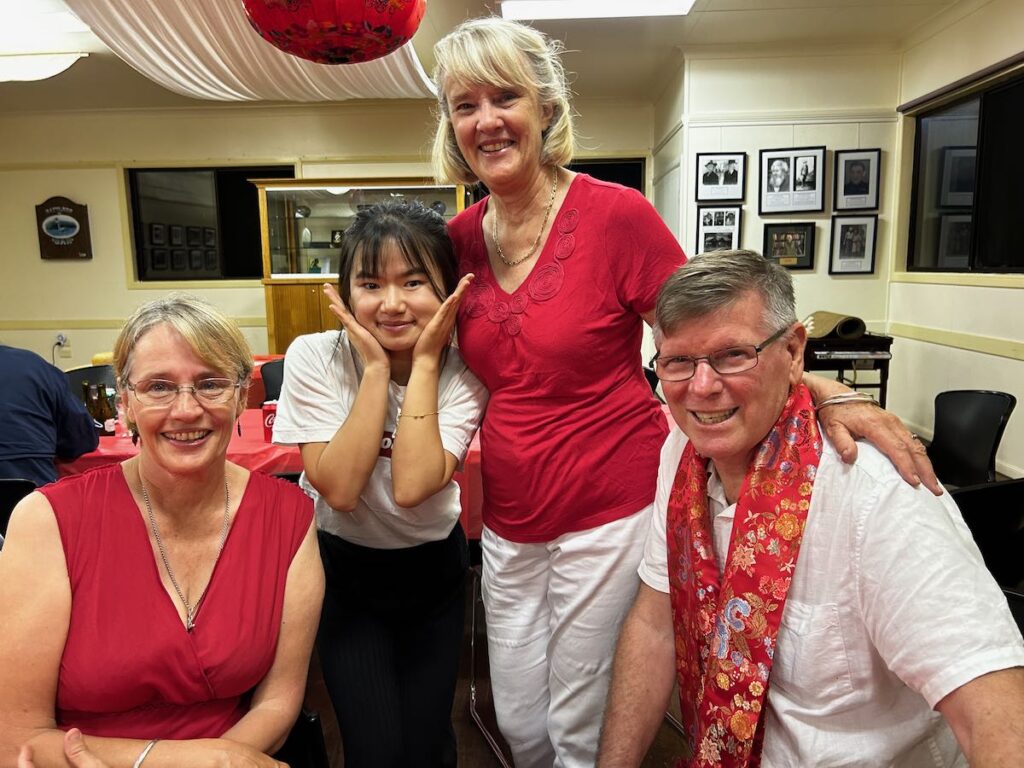
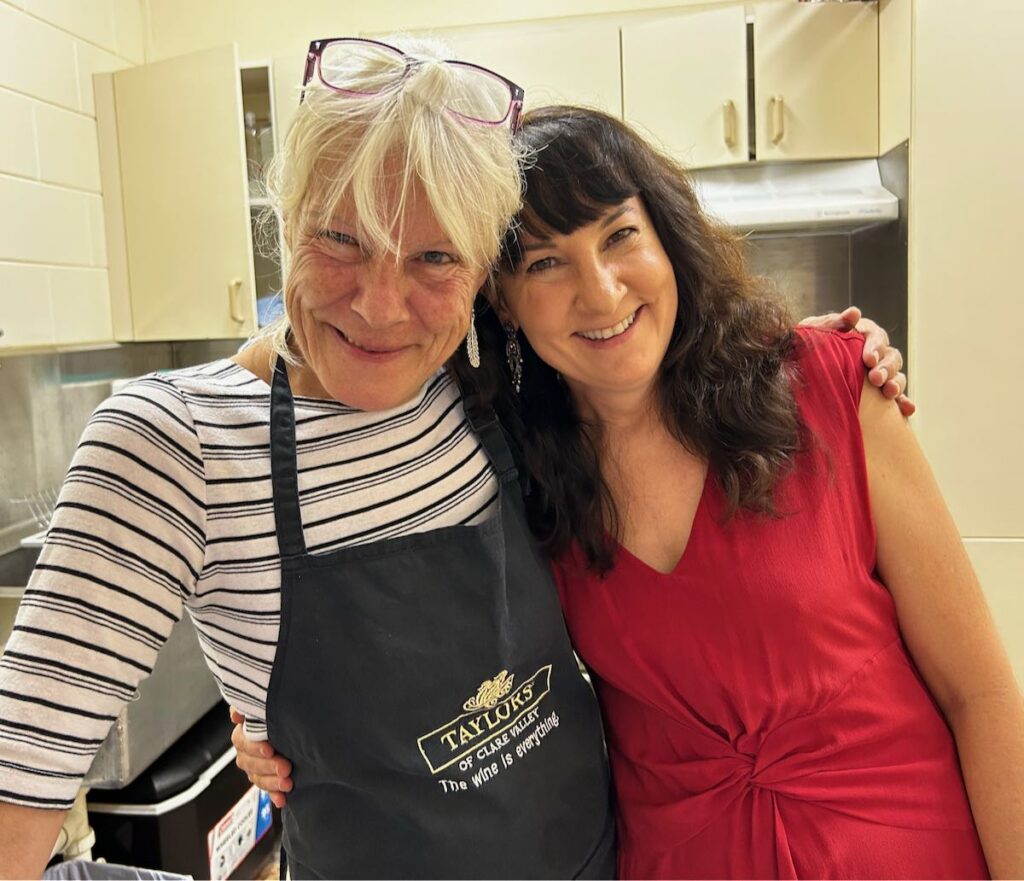
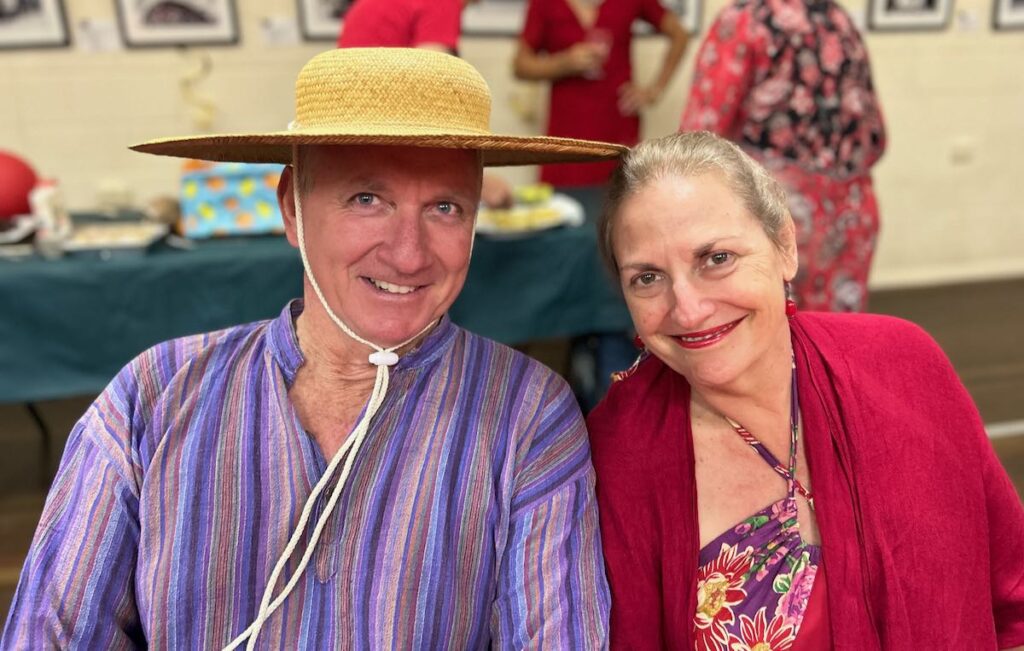
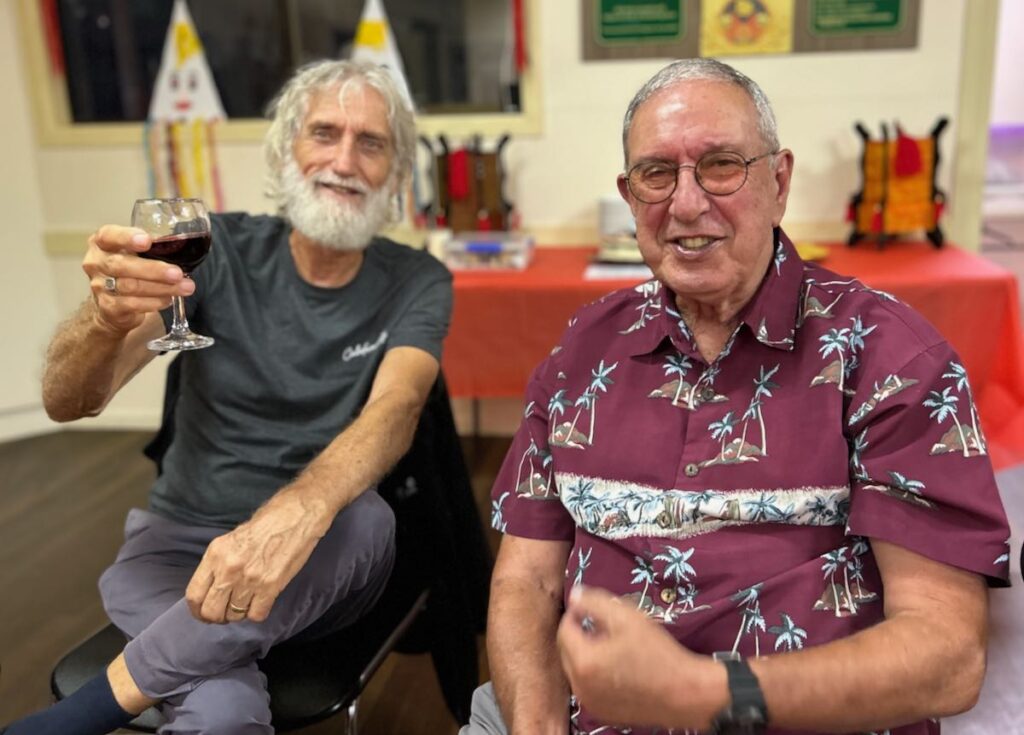
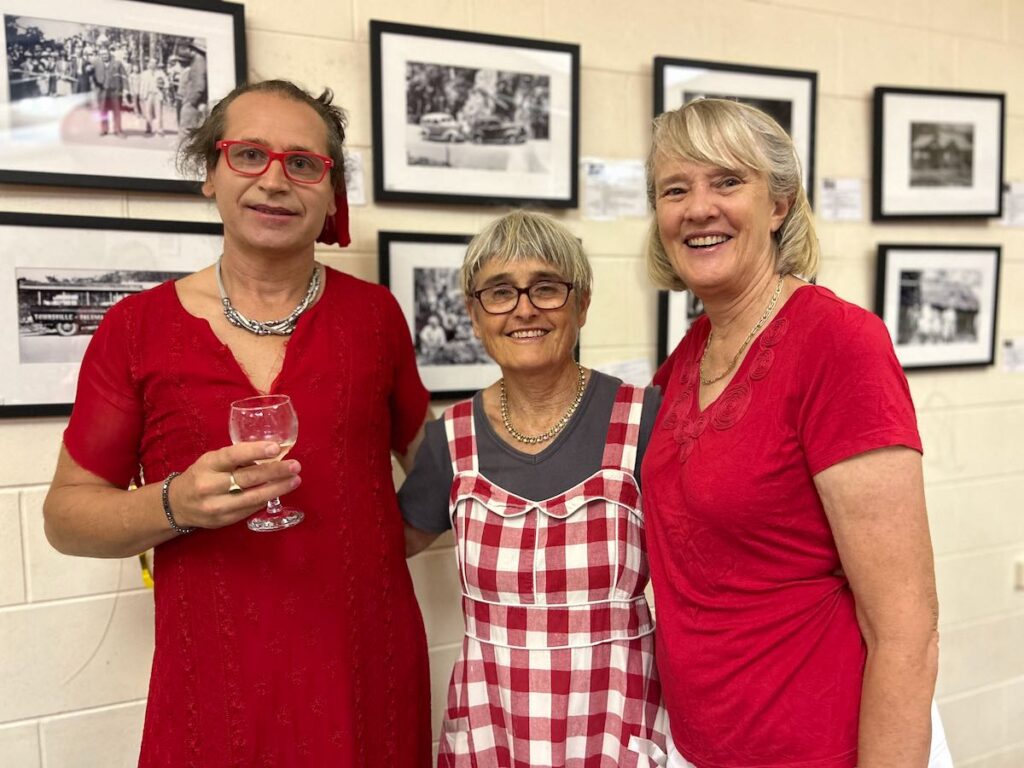
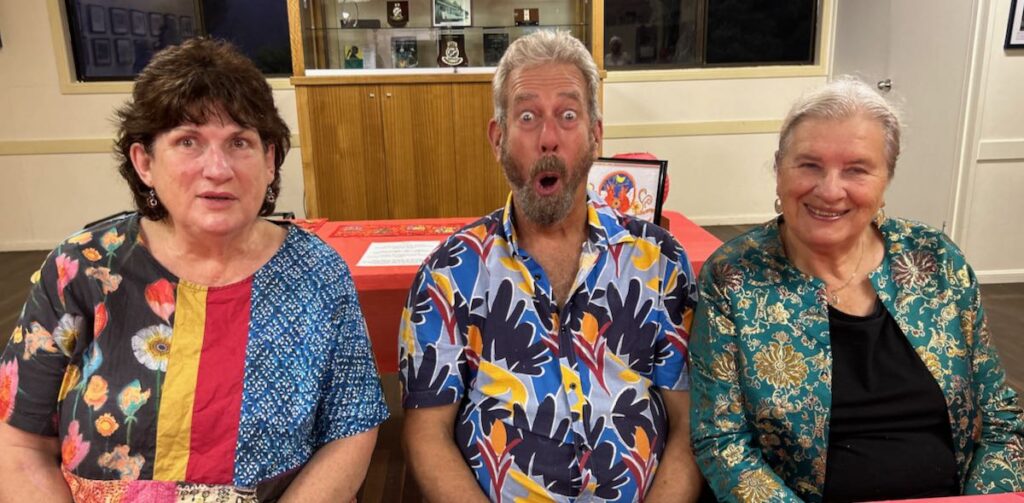
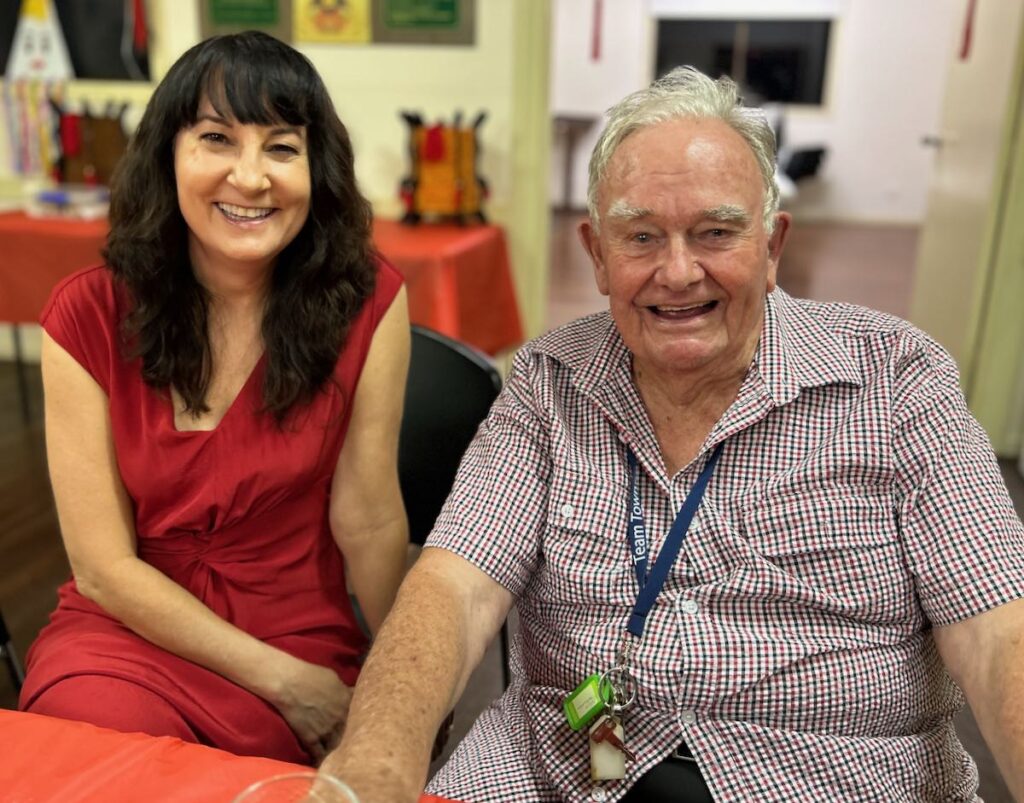
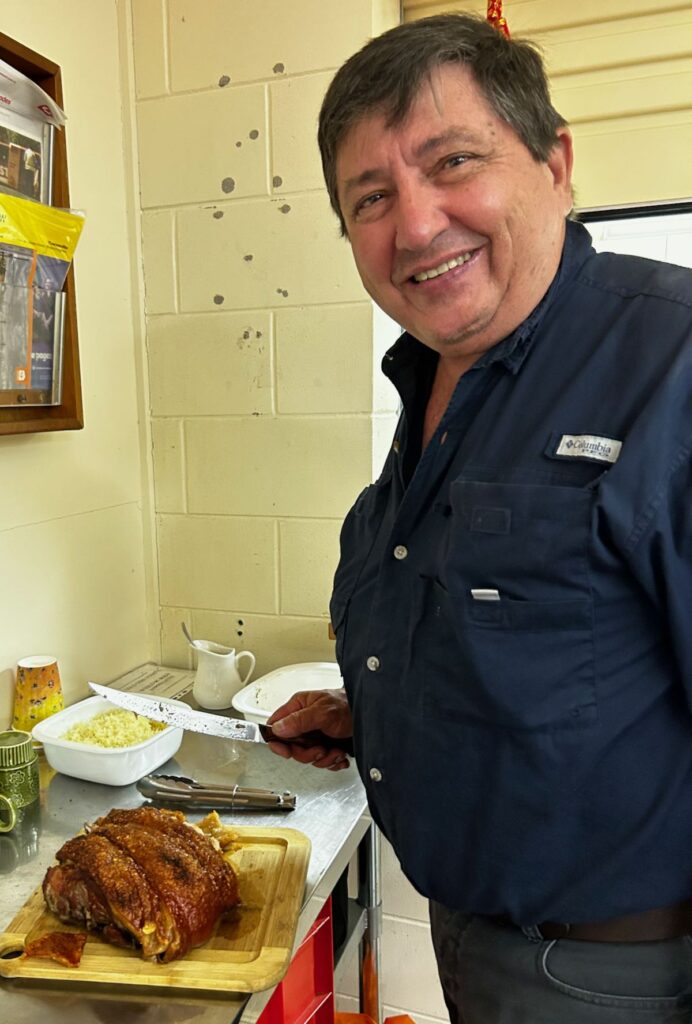
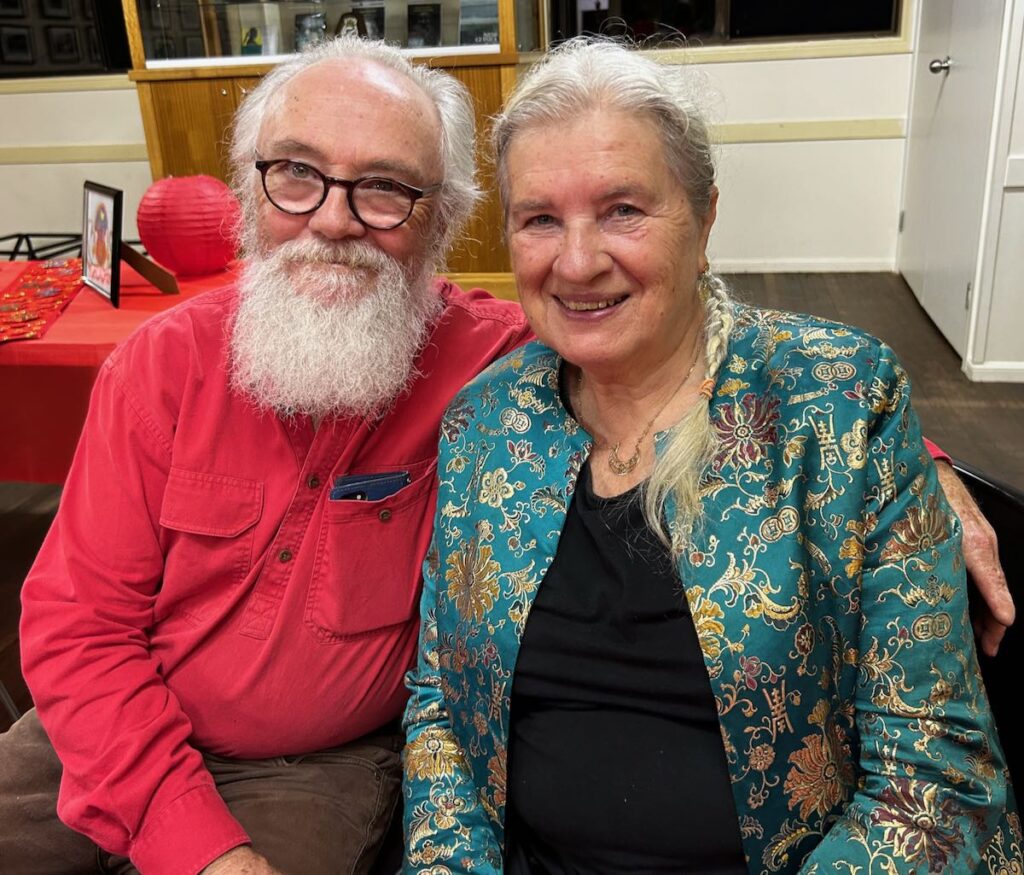
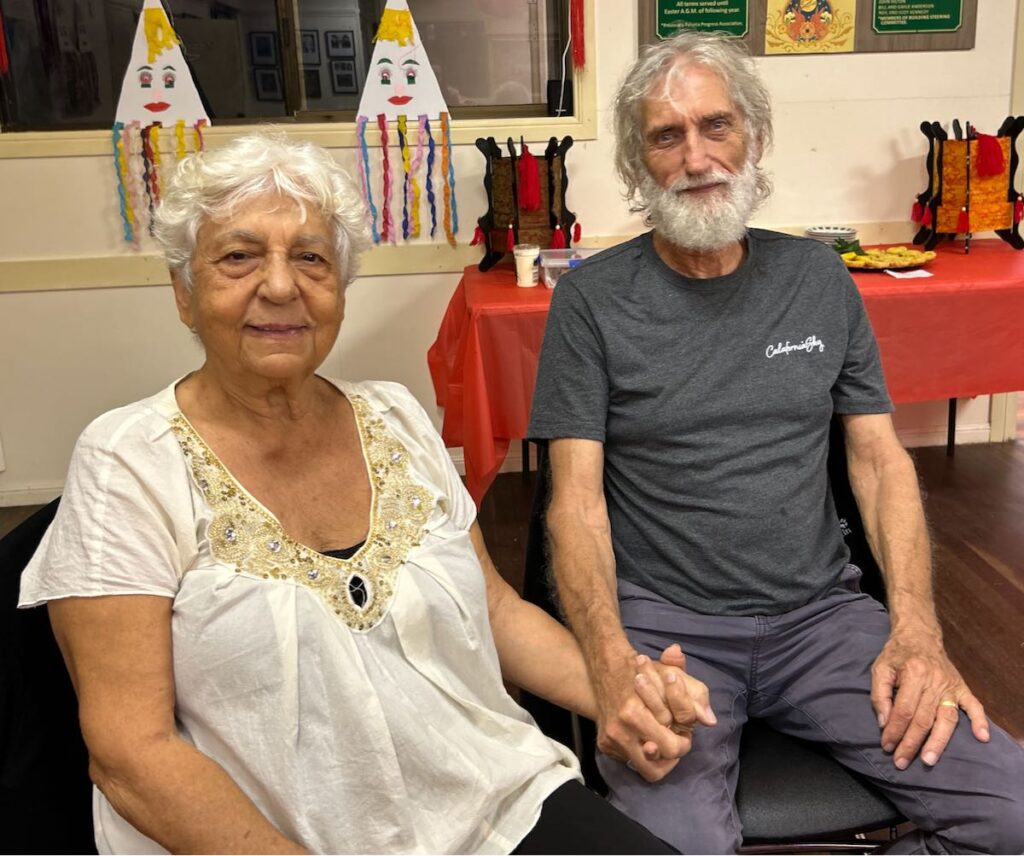
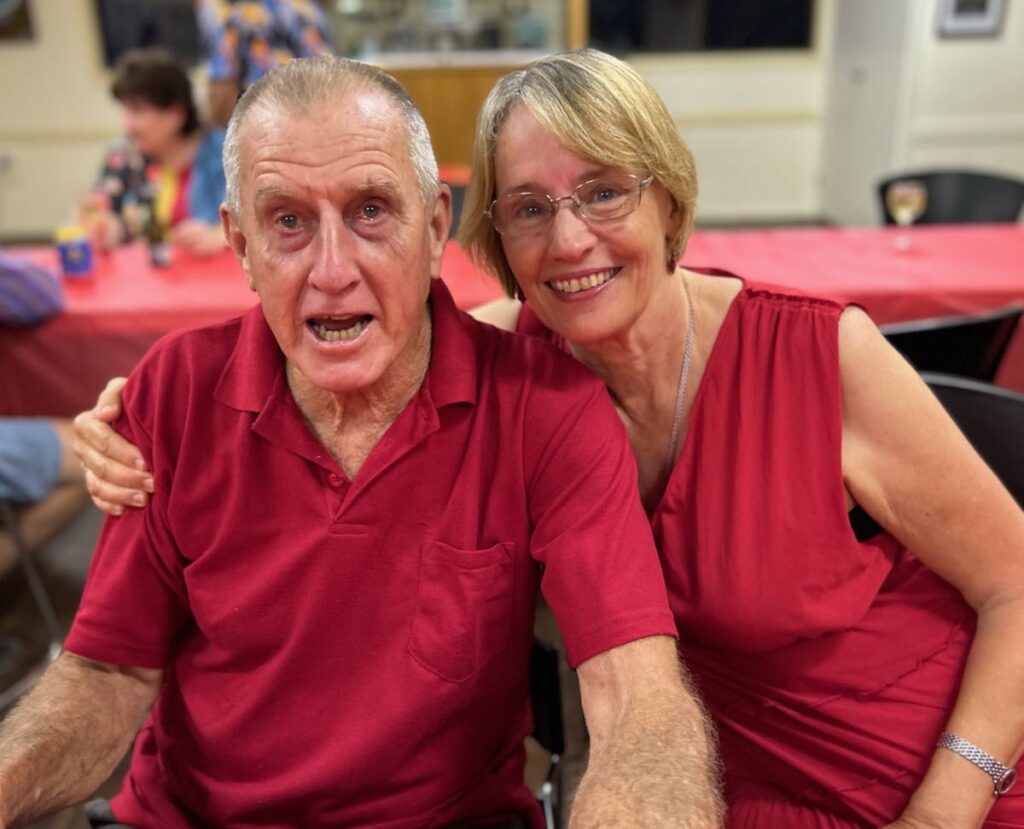
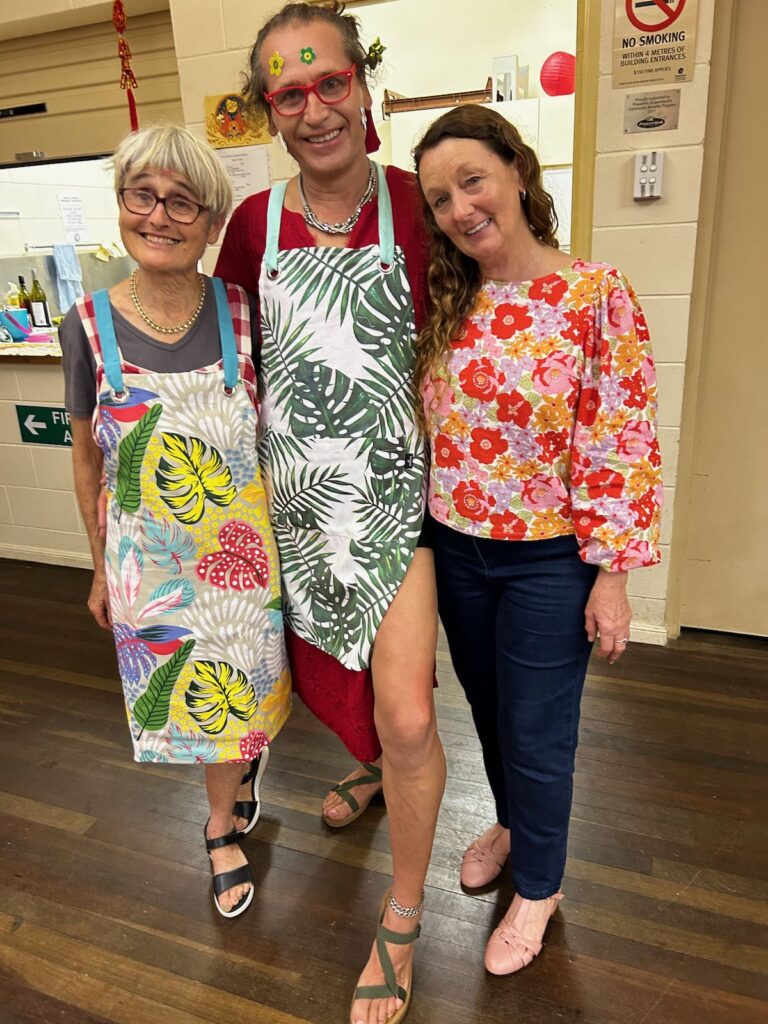
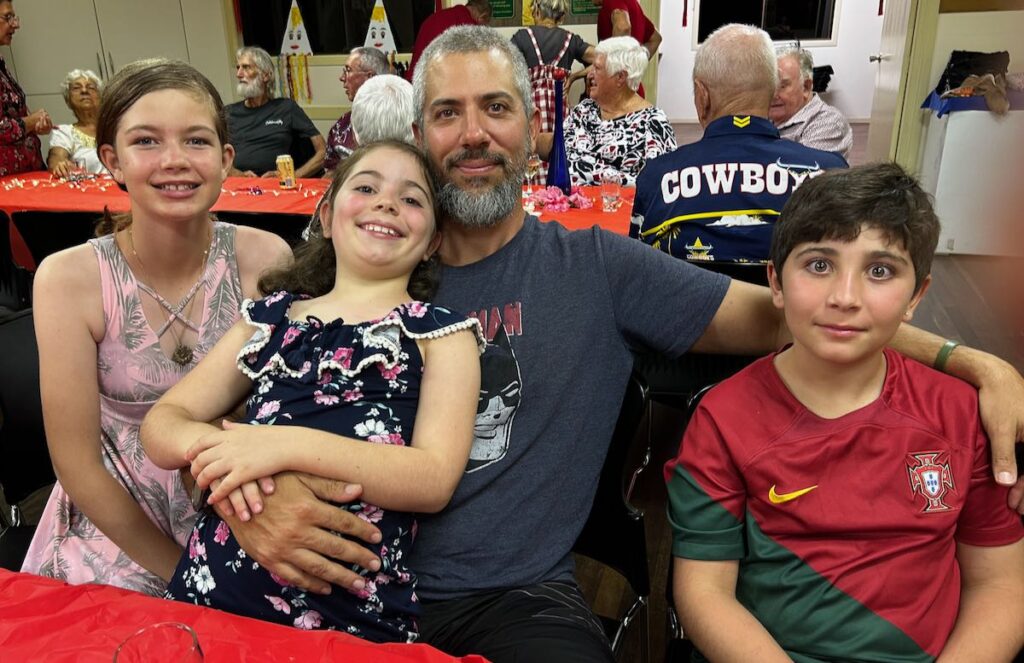
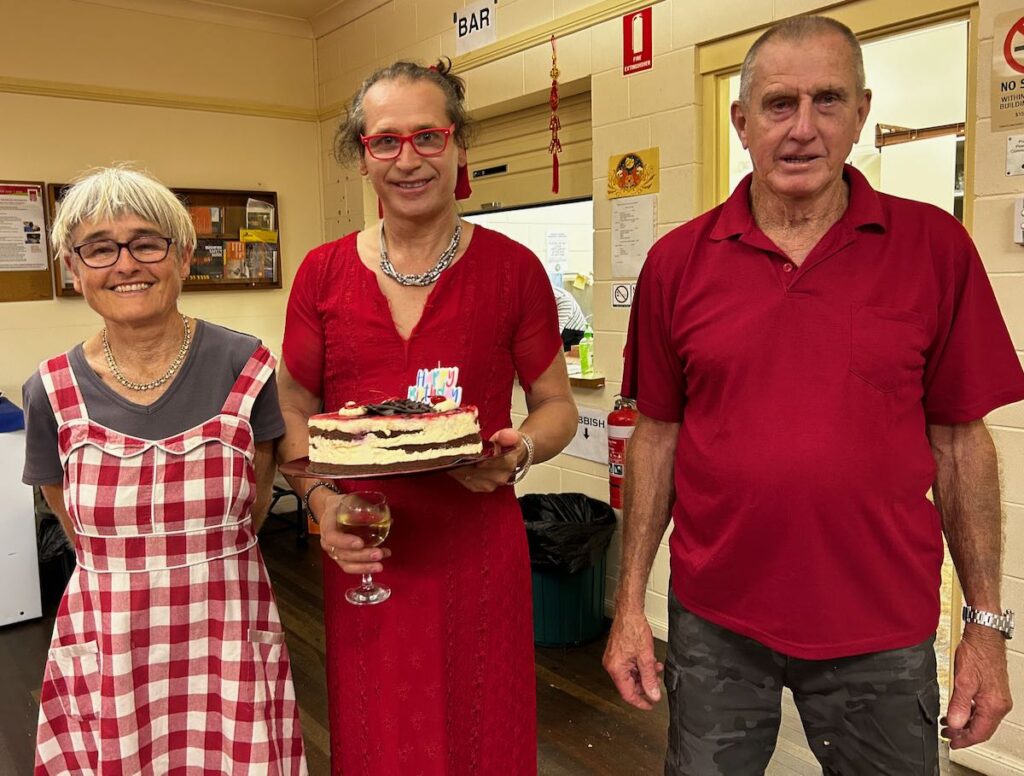
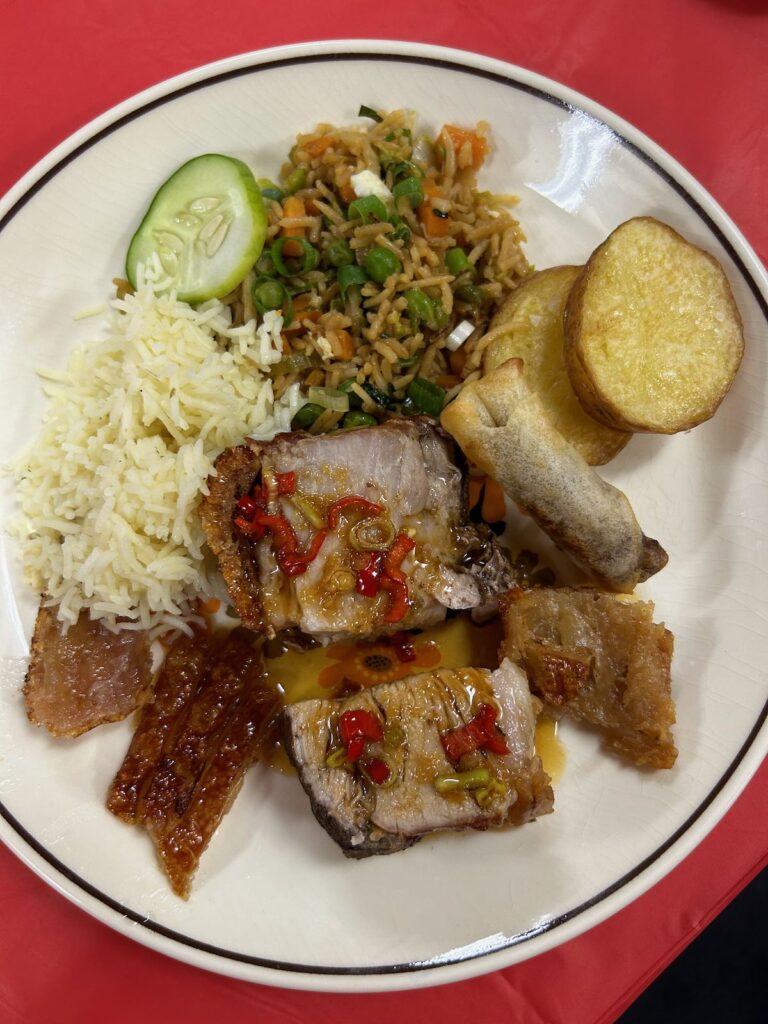
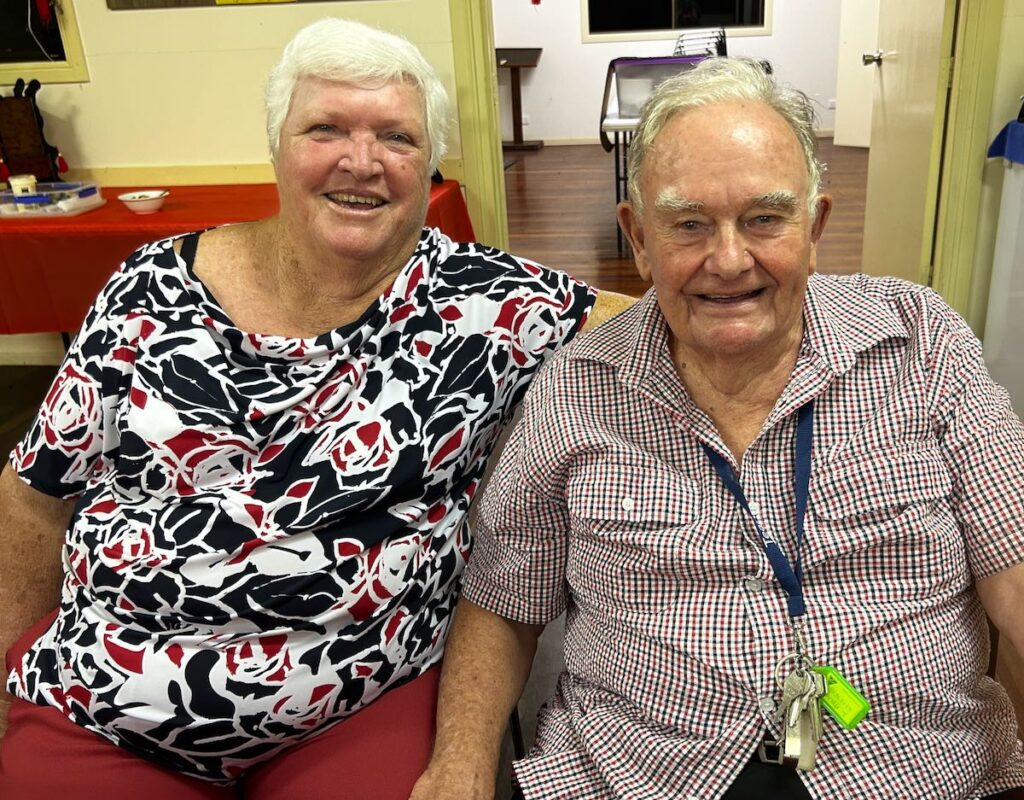
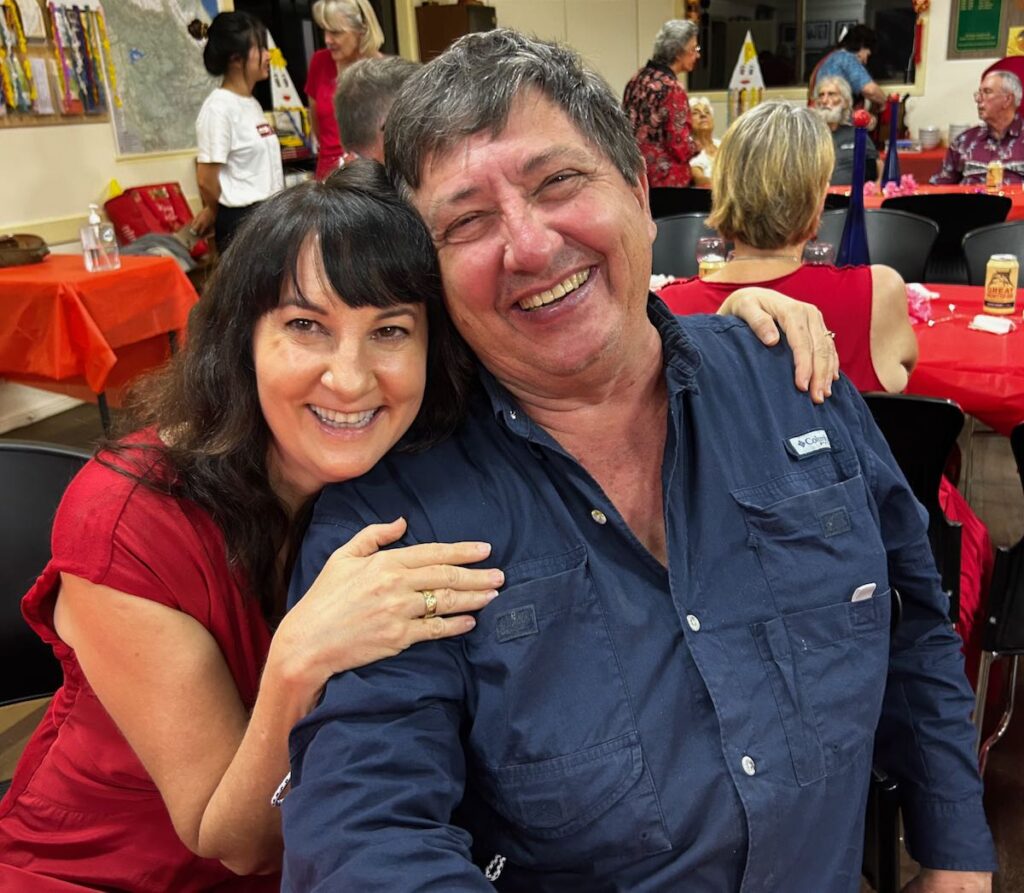
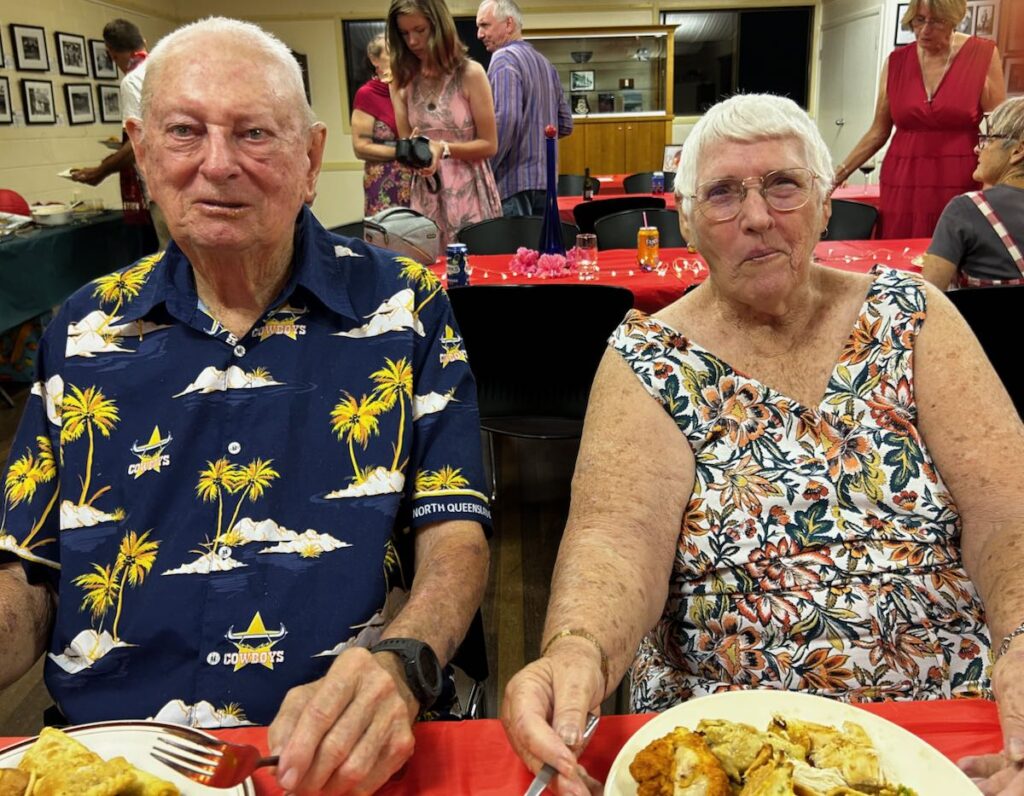
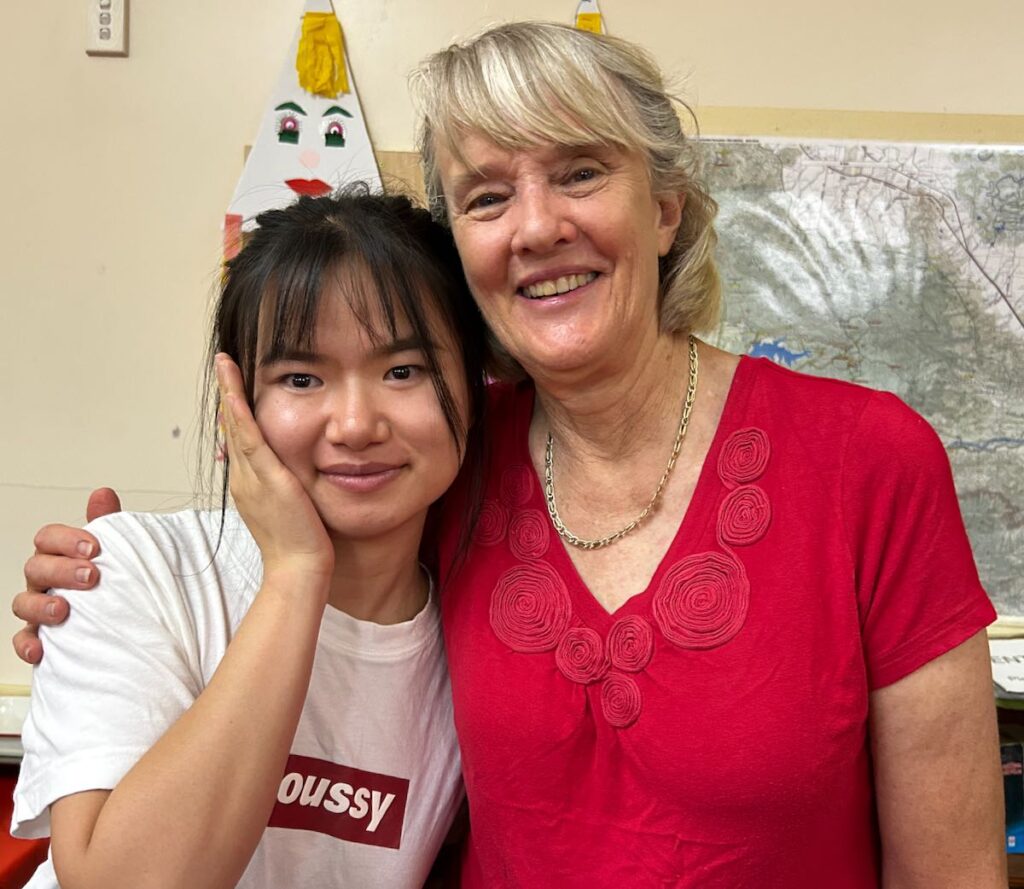
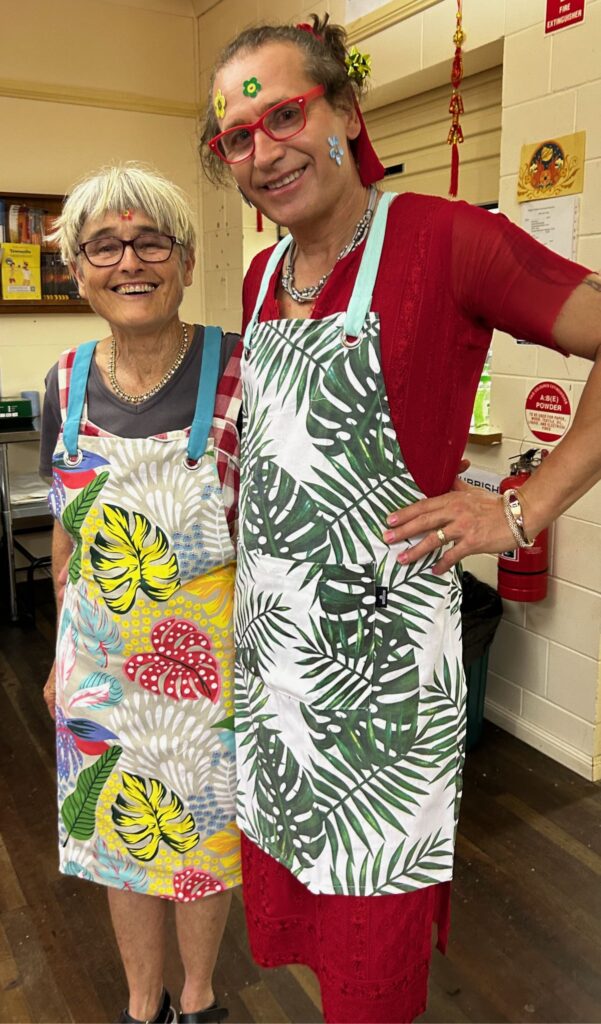
Last Saturday (17th September) the social gatherings at Paluma Village included a morning tea at the Rainforest Inn to celebrate Violet’s birthday, followed by a Community Social at the Hall on Saturday evening. The theme on Saturday night was International Night, with a lot of dinky-di Aussies in attendance. Here’s a few photographs of the events.

Reminder: Community Social on Saturday Night

This is a timely reminder that there is a Community Social at the Hall this Saturday Night 17 September at 6.30 pm.

The usual rules apply for Community Socials, being:-

  1. There are no rules
  2. Please bring a plate to share – sweet, savoury, hot, cold or luke-warm
  3. The Bar will be open for cheap drinks
  4. The theme is International Night

Community Socials are a great place to relax, unwind and catch up with your neighbours (and have a great meal!).