
It is with profound regret that we note that Glen Parker died unexpectedly last Sunday at home in Paluma. On behalf of the PDCA and the entire Paluma community, we offer our deepest condolences to Bobbi Parker and Glen’s extended family. A more detailed tribute to Glen will follow in due course.
Author: admin
Friday Night Drinks at the Hall, March 1st
After a recent PDCA exec meeting we decided to initiate regular Friday evening drinks and nibbles on the Friday before each Saturday working bee. If you feel the urge to relax and unwind, or play a friendly game of darts or table tennis over a beer or glass of wine then come over to the Hall around 6pm on March 1st. The bar will be open. Feel free to bring nibbles or finger food to share.
Paluma Working Bee, March 2nd
For the first working bee of the year, the plan is to clear roadside vegetation between Loop Road and the Rainforest Inn. We will meet at t the Community Hall at 2pm on March 2nd. bring snipping and lopping tools. As usual, your hard efforts will be acknowledged with free drinks at the hall afterwards.
Paluma’s Best Gardens for 2023
The winners of the Paluma Garden Competition were announced at the last social event a month ago so this may not be news to some readers. However, a formal post with some pictures seems warranted to celebrate the horticultural and landscaping skills of our Paluma residents and commercial establishments.
The inspections occurred on October 11th and the judges (Kathleen and Ange) and prizes were supplied by Bunnings.
The winners and the judges’ notes are listed below.
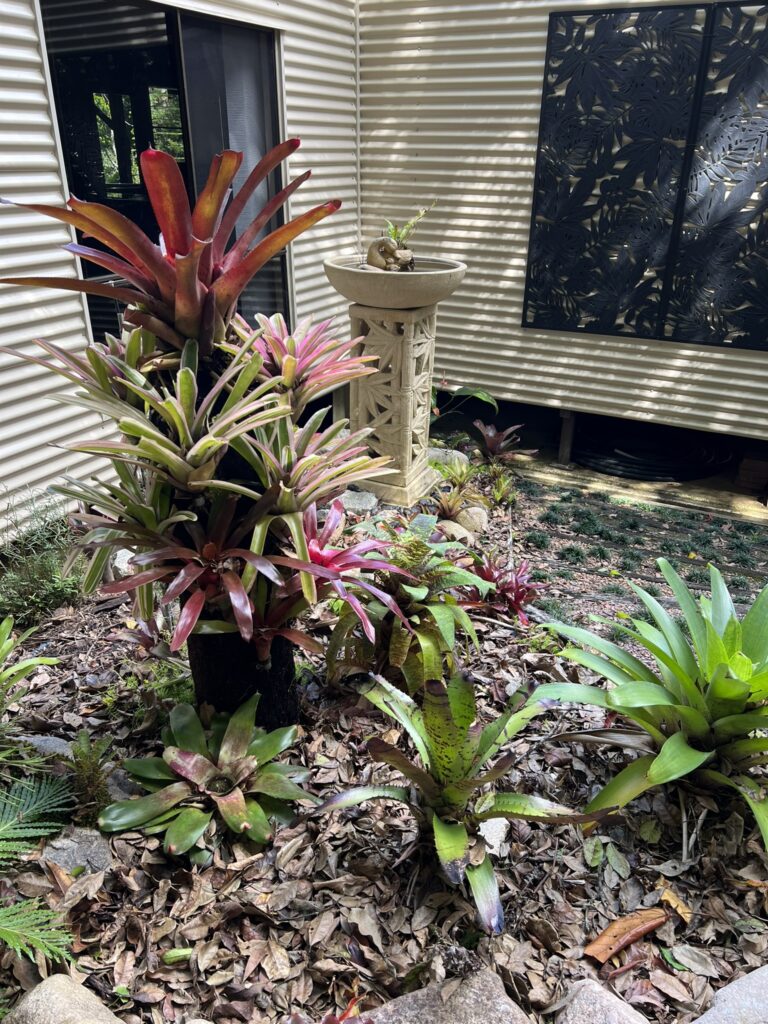
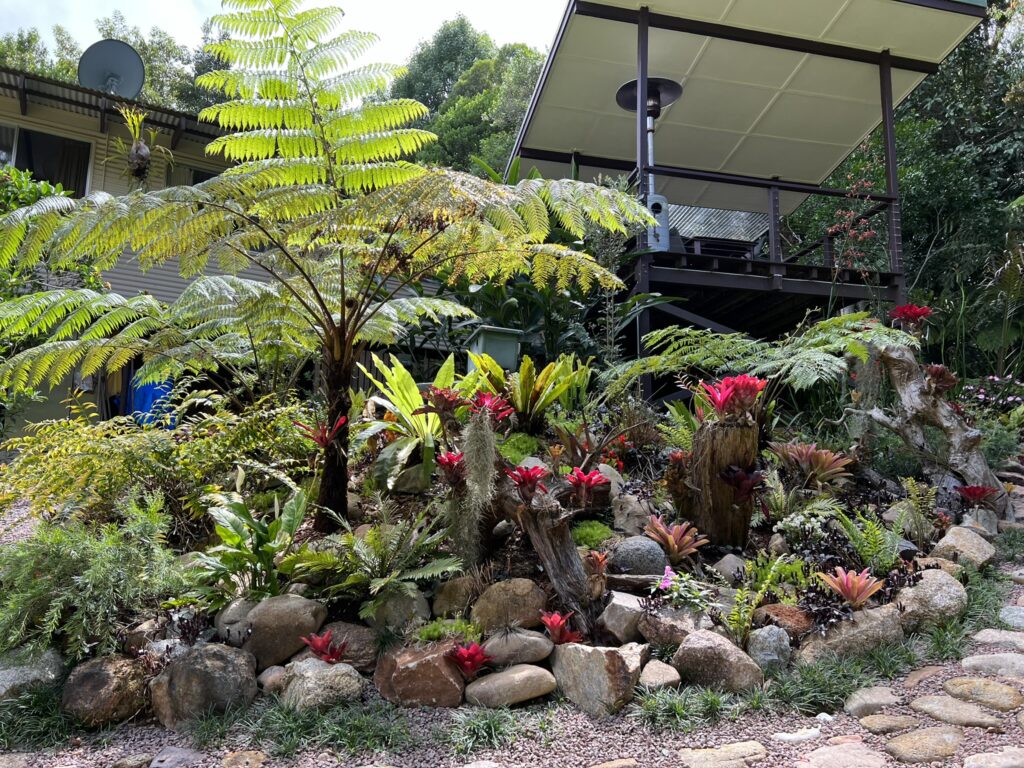
1. Best Residential Garden in the Village
Robert and Sandra Smyth, Whalley Cr
What first caught our eye was the amazing landscaping which flowed beautifully with the sloping terrain. We loved the use of stone and natural woods which created interest and texture. We also loved the variety of colourful flowers and foliage used throughout the garden beds.
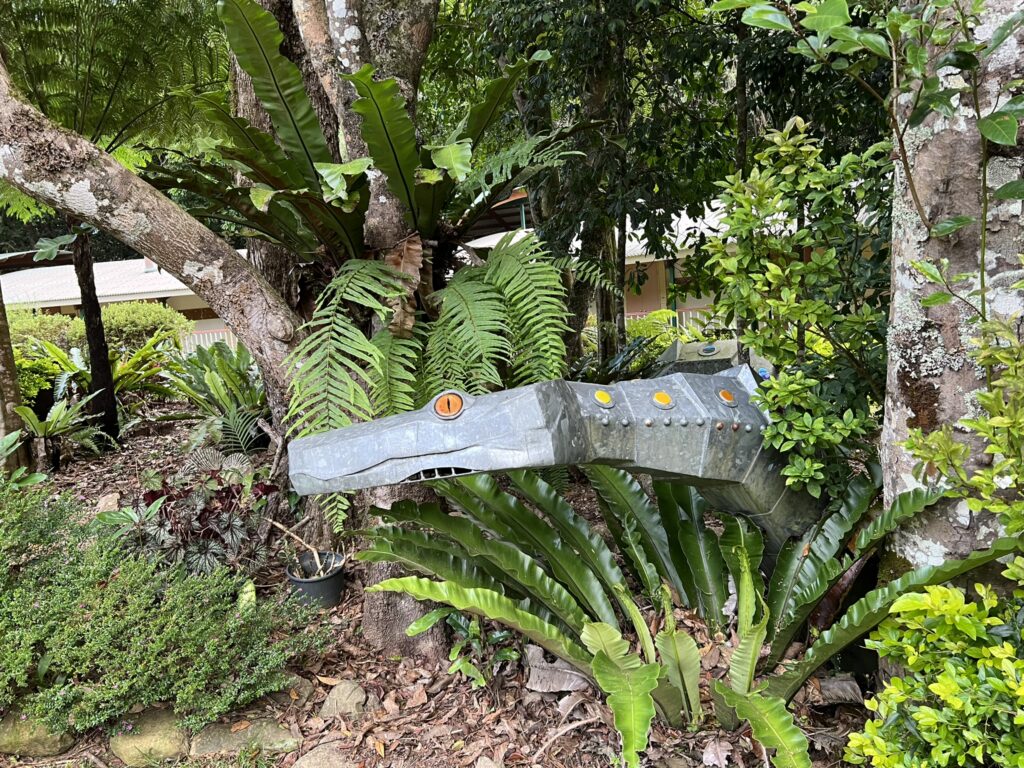
2. Best Commercial Garden in the Village
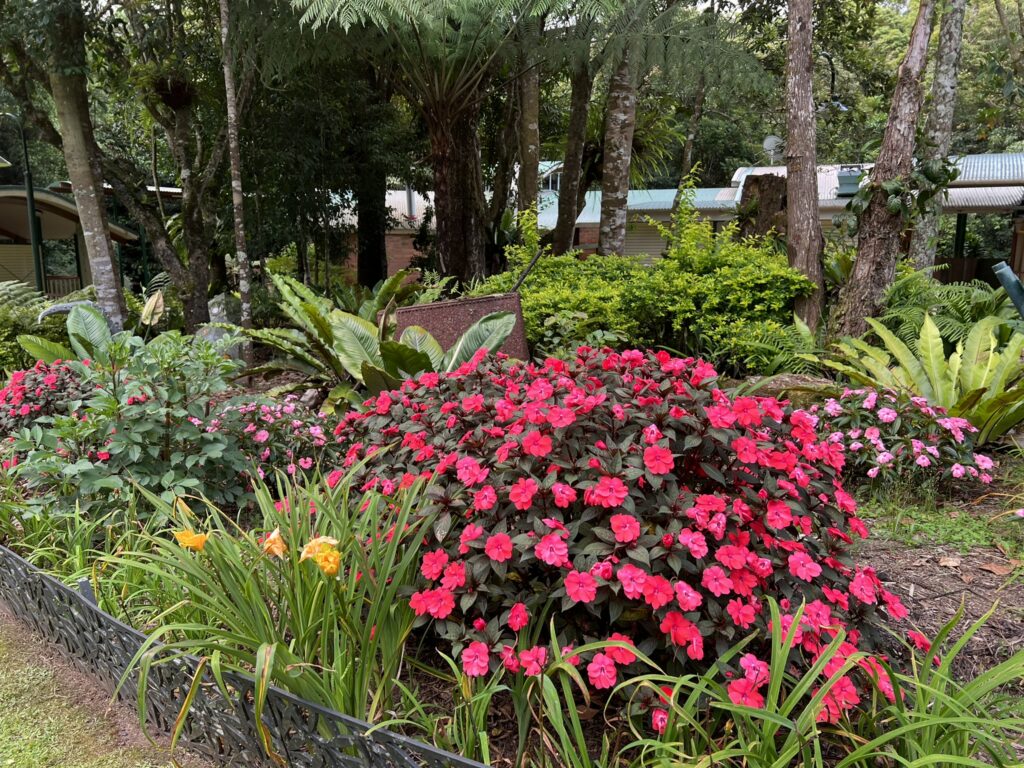
Gumburu
The gardens were beautifully designed and landscaped. You can see all the hard work that has been put into maintaining these gardens. We loved the rainbow snake feature amongst the front garden bed. We also liked how the gardens flowed with the natural rainforest that surrounds the area.
3. Best Acreage Garden
Glenn & Bobbi Parker, Mt Spec Rd
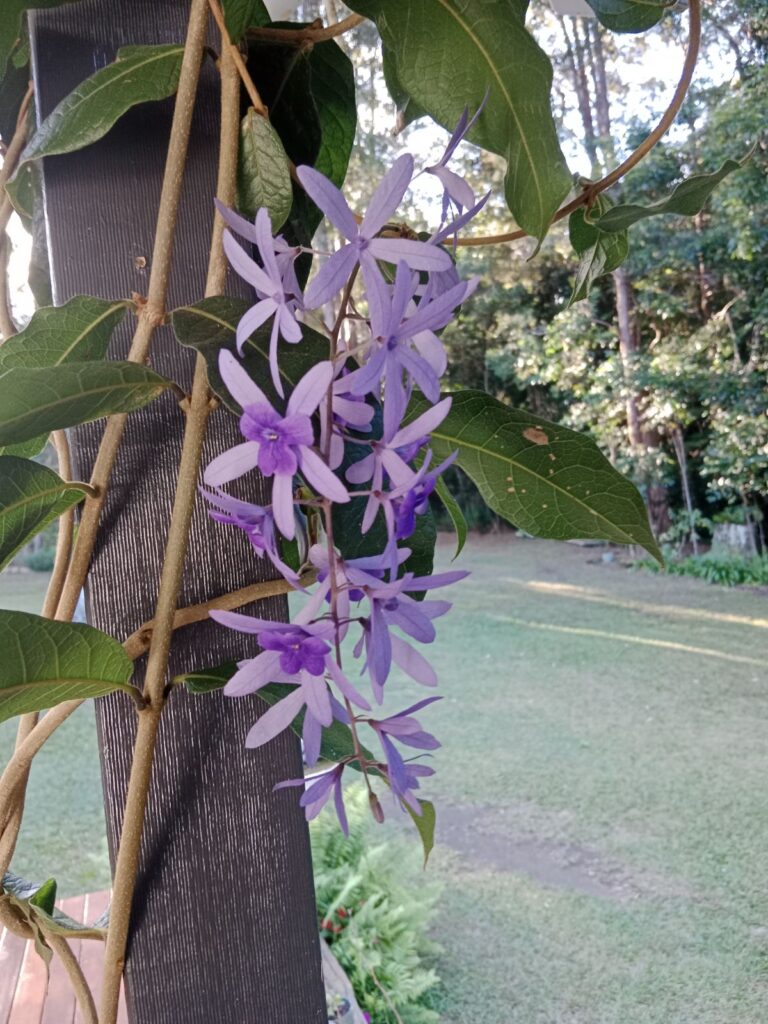
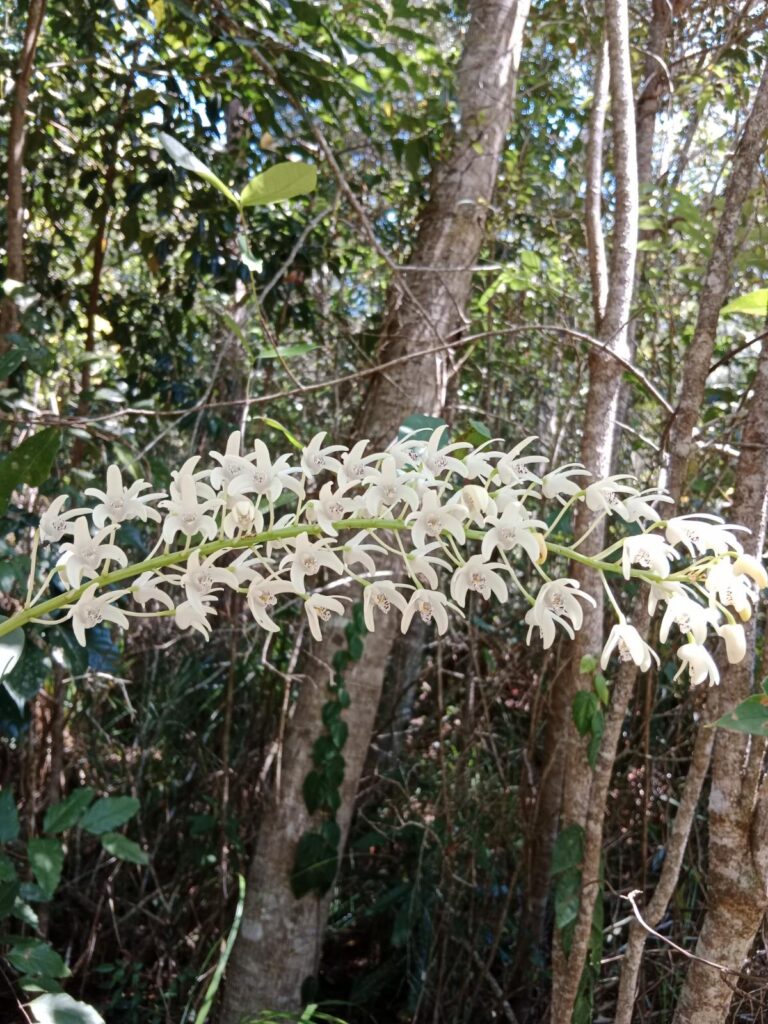
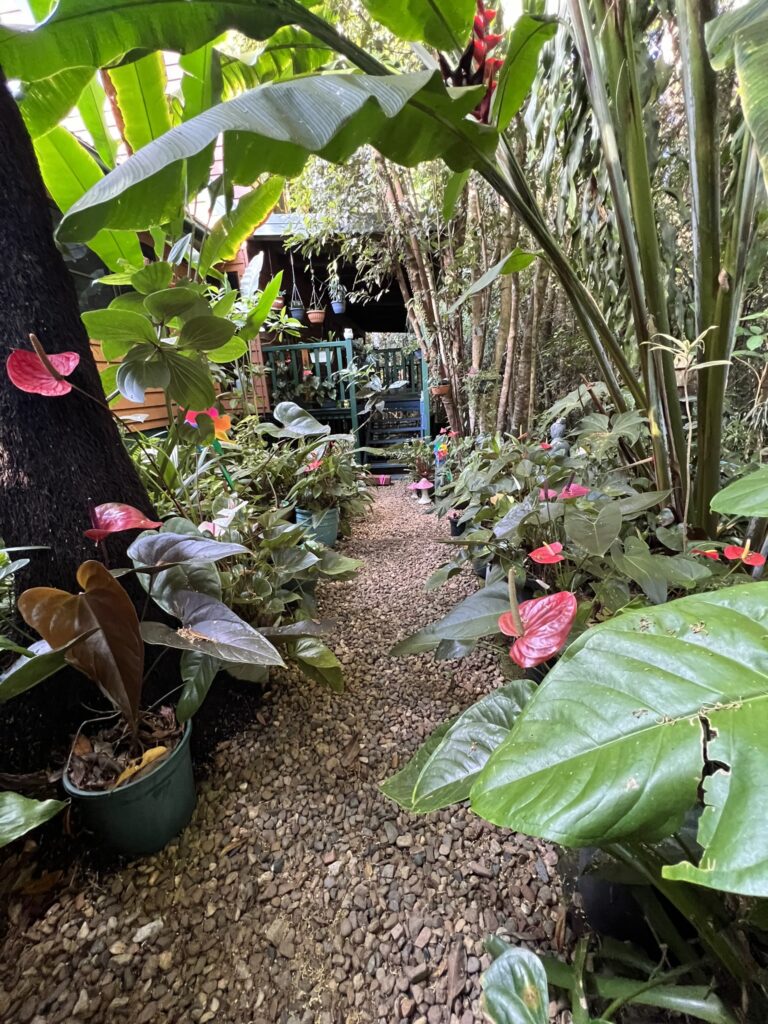
We liked that every part of their property had points of interest with the open space as well as the rainforest. The rainforest was beautiful with interesting paths to take you throughout the property, each one was a unique experience. We also liked the integration of sustainability with the bees and vegetable gardens. There was also a beautiful balance of established gardens and the natural environment.
4. Highly Recommended Village Garden
Michele Bird, Mt Spec Rd
There is always something interesting and beautiful to look at in this garden. Both the front and back garden are filled with a large variety of plants. As you walk through the little paths in this garden you will come across an eclectic collection of plants, pots and ornaments that bring the garden to life.
5. Most Unusual Garden Specimen, Feature, Development etc.( Village or Blocks)
Glenn & Bobbi Parker, Mt Spec Rd
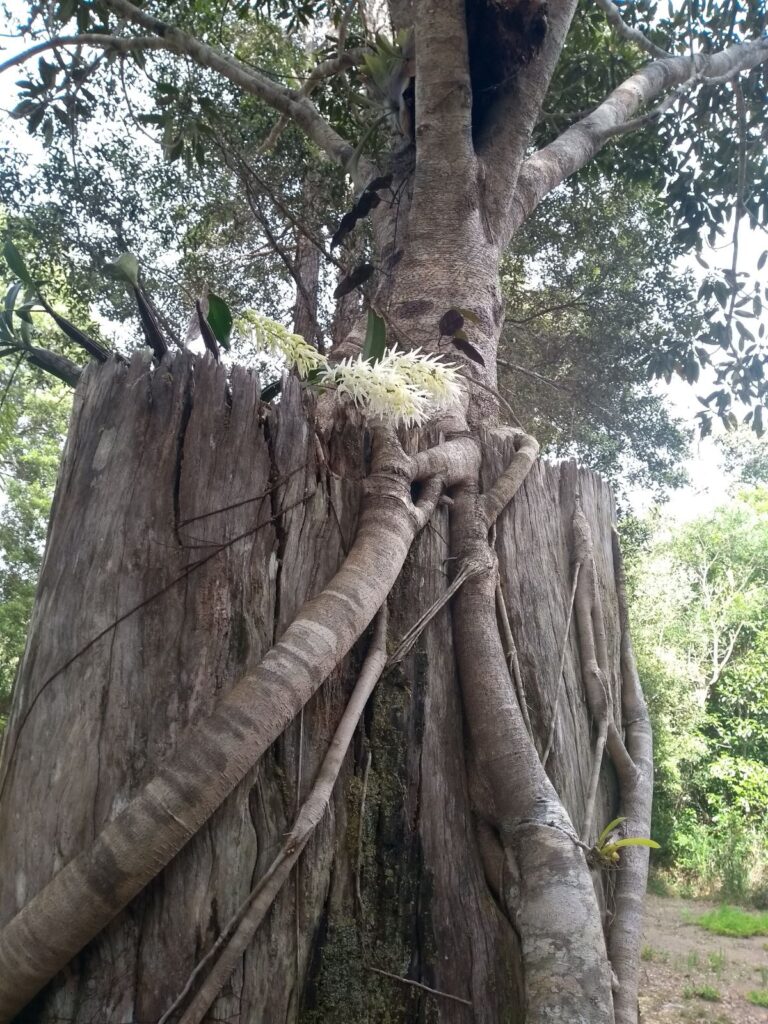
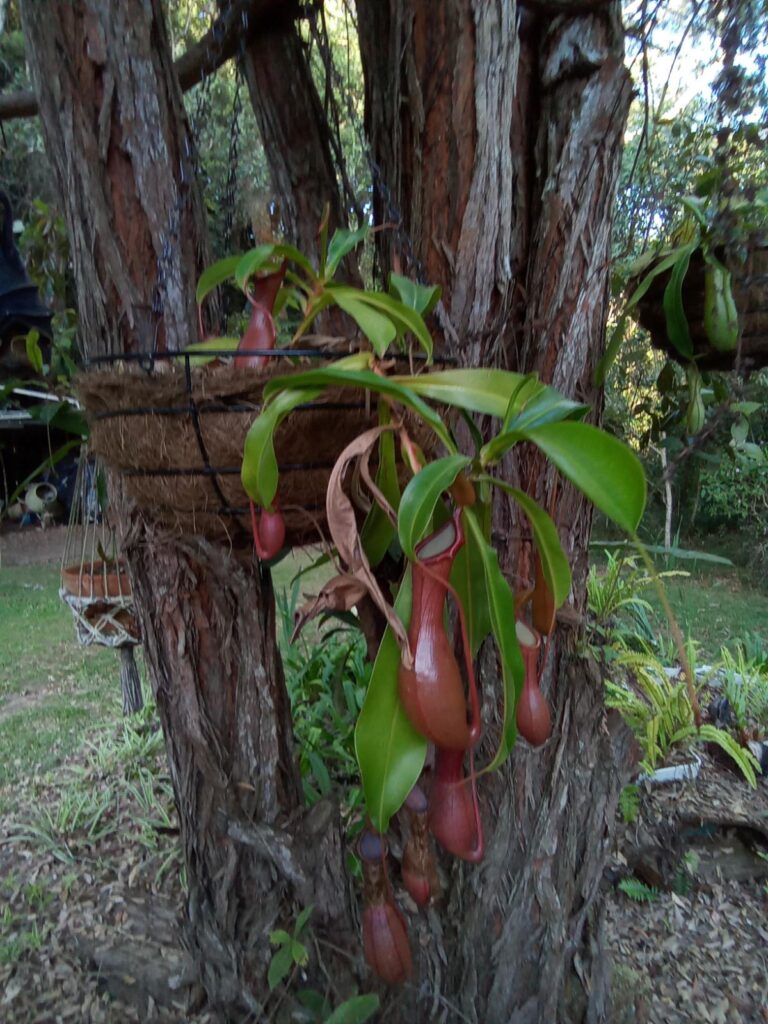
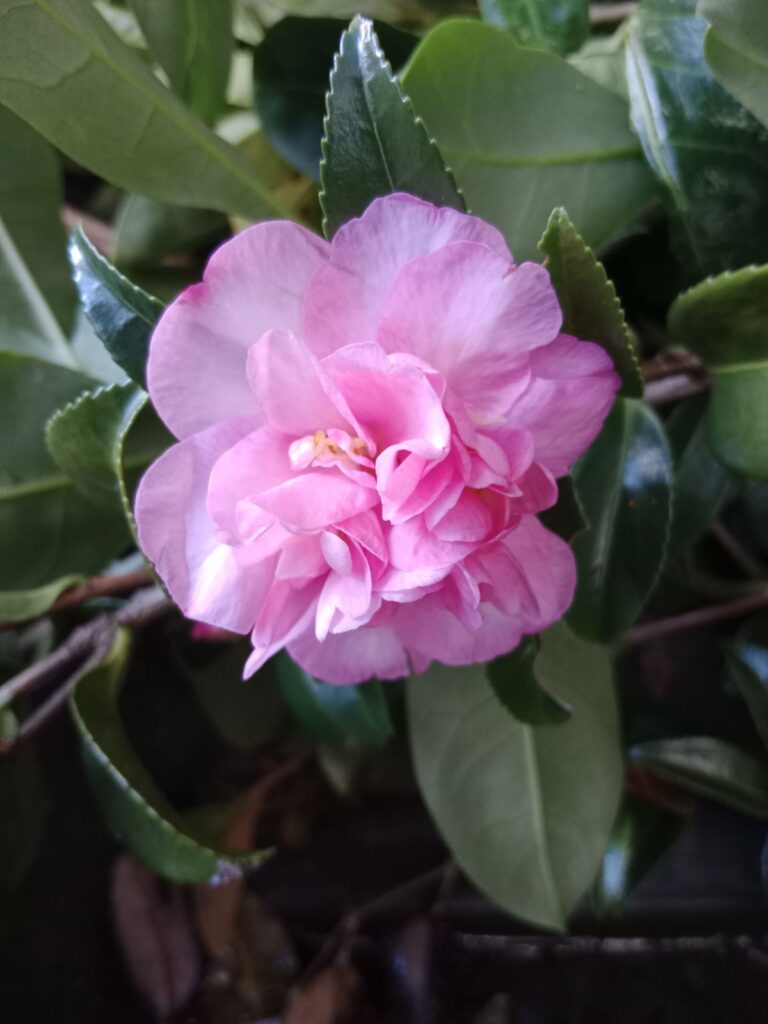
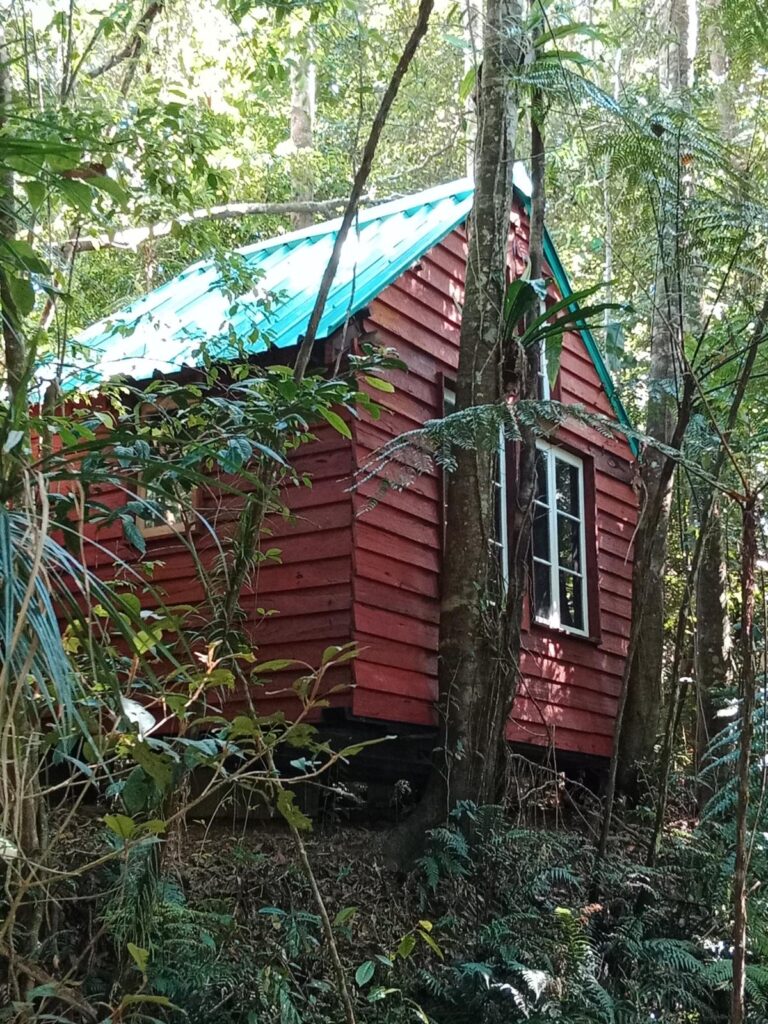
There were many features of their garden that stood out to us as most unusual but by far, the greatest feature of this garden is the beautifully made cabin in the forest overlooking the creek. Other features of this garden that stood out to us was the carnivorous plants and the old felled tree stump with the fig growing on top.
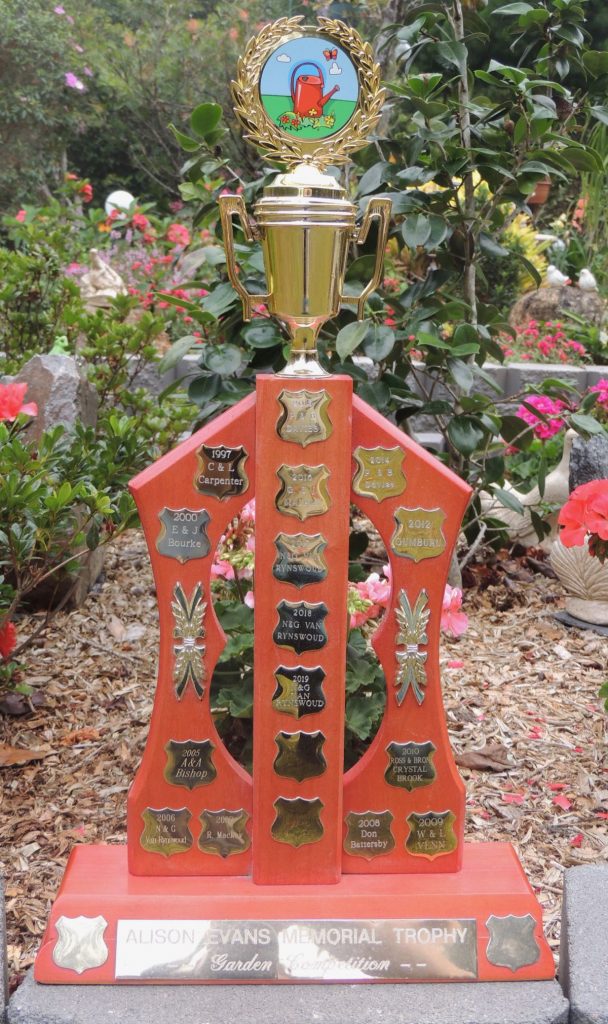
Allison Evens Memorial Trophy
“We would say Glen and Bobbi’s, they have such a wonderful garden that you could spend hours in!”
Cyclone Season Preparation
Memories of the 2019 February inundation and the subsequent isolation of Paluma and communities to the west will be with us for years. These memories should prompt all of us living in the area to consider carefully how we prepare for this wet season.
The best way to start this years’ preparation is to visit the Queensland Government website https://www.getready.qld.gov.au. The site addresses preparation for a range of disasters that could affect Queensland. Cyclone, storm damage & fires are the most relevant to our area. It also lists a number of disaster related apps. Other useful websites are https://disaster.townsville.qld.gov.au & https://www.qfes.qld.gov.au/safety-education/resources.
Cyclones & extreme rainfall events
The getready website suggests being prepared for 3 days of self-sufficiency. This may be adequate for the lowlands, but could easily prove inadequate for Paluma to Hidden Valley communities. If a high category cyclone crosses the coast anywhere near Townsville, Paluma to Hidden Valley problems are likely to be well down government priority lists, if they are not life threatening.
Plan for the worst – what if?
- All access roads to the area closed for seven (?) plus days
- Prolonged loss of the electricity grid supply.
- Eventual loss of landline, mobile phone & internet communication due to loss of power to Telstra sites.
- Damage to Townsville Water infrastructure resulting in unreliable water supply.
- Structural damage to your private residences forcing evacuation to temporary accommodation.
- For those living west of Paluma & not dependant on town water & the electricity grid – consider consequences of damage to satellite dishes & solar panel arrays. Ensure water tanks contain enough water to resist cyclone strength winds.
If you work through the three steps of the Have a Plan section of the get ready website you should be covered for most things. But there are local considerations.
THE FOLLOWING CHECKLIST COVERS SOME OF THE THINGS TO CONSIDER.
Clearing around you residence to remove anything with the potential of becoming an airborne projectile.
Insurance – Check currency & adequacy.
Basic supplies
- Enough food for the whole household including pets. If you have no generator backup for your refrigerator then stick mainly to non-perishable food. (dried or tinned)
- Adequate supplies of prescription medication plus cold & flu tablets, pain killers etc.
- Toiletries.
- Adequate clothing for everyone for the duration.
- Extra bed linen & towels.
- Sturdy gloves.
- Wet weather gear.
- Allow 3 litres of bottled water per person per day. Alternatively a small rainwater tank with water purification tablets from chemist/camping stores. Without power electrical appliances will not be able to boil water for safety.
- Important documents & a backup hard drive.
- Up to date first aid kit.
- Adequate fuel for vehicles & generators plus gas for backup cooking equipment. Those on solar off grid systems should consider how much fuel they may need if the solar array is damaged.
- Spare batteries for torches/radios.
- Sturdy waterproof containers for food, clothes, medication, phones etc.
Communications
- The Telstra site in Paluma has backup batteries & a generator but when the fuel runs out Telstra will be unable to refuel if access roads to Paluma are closed. So the phones & internet may continue to work for some time after a power failure & then shut down. Suggest it wise to make any important phone calls or emails as soon as possible after the event. West of Paluma landline phones may also eventually fail due to loss of power or damage to Telstra facilities.
- For landline phones a non 240v dependant phone is best.
- Have an alternate way of charging mobile phones & tablets without mains power.
- Will your mobile phone work at the Star Valley or McClelland’s’ lookouts.
- Battery radio.
Equipment
- Generator –tested/serviced.
- Backup gas cooking equipment (BBQ) if you only have an electric stove.
- Alternative lighting.
- Fire extinguishers are always cheap insurance.
Rental properties. If you have any form of rental property in the area, consider the need to advise potential tenants of the risk of isolation after extreme weather events.
If you are not going to be in the Paluma area.
- Ensure anyone occupying your house is aware of the above suggestions.
- Clean out your fridge & freezer
- Consider supplying a neighbour with a key & your contact details so they can access your property to check for damage & report to you.
Evacuating your house due structural damage. Extra things that should be considered for an evacuation kit include bedding (sleeping bags, inflatable mattresses & pillows), reading material & games, cash.
Fallen Power Lines. Assume live & maintain an exclusion zone of 8 meters. Report to Ergon Energy – Ph 131670. Warn others.
Mt Spec SES
Memories of the 2019 February inundation and the subsequent isolation of Paluma and communities to the west will be with us for years. These memories should prompt all of us living in the area to consider carefully how we prepare for this wet season.
The best way to start this years’ preparation is to visit the Queensland Government website https://www.getready.qld.gov.au. The site addresses preparation for a range of disasters that could affect Queensland. Cyclone, storm damage & fires are the most relevant to our area. It also lists a number of disaster related apps. Other useful websites are https://disaster.townsville.qld.gov.au & https://www.qfes.qld.gov.au/safety-education/resources.
Cyclones & extreme rainfall events
The getready website suggests being prepared for 3 days of self-sufficiency. This may be adequate for the lowlands, but could easily prove inadequate for Paluma to Hidden Valley communities. If a high category cyclone crosses the coast anywhere near Townsville, Paluma to Hidden Valley problems are likely to be well down government priority lists, if they are not life threatening.
Plan for the worst – what if?
- All access roads to the area closed for seven (?) plus days
- Prolonged loss of the electricity grid supply.
- Eventual loss of landline, mobile phone & internet communication due to loss of power to Telstra sites.
- Damage to Townsville Water infrastructure resulting in unreliable water supply.
- Structural damage to your private residences forcing evacuation to temporary accommodation.
- For those living west of Paluma & not dependant on town water & the electricity grid – consider consequences of damage to satellite dishes & solar panel arrays. Ensure water tanks contain enough water to resist cyclone strength winds.
If you work through the three steps of the Have a Plan section of the get ready website you should be covered for most things. But there are local considerations.
THE FOLLOWING CHECKLIST COVERS SOME OF THE THINGS TO CONSIDER.
Clearing around you residence to remove anything with the potential of becoming an airborne projectile.
Insurance – Check currency & adequacy.
Basic supplies
- Enough food for the whole household including pets. If you have no generator backup for your refrigerator then stick mainly to non-perishable food. (dried or tinned)
- Adequate supplies of prescription medication plus cold & flu tablets, pain killers etc.
- Toiletries.
- Adequate clothing for everyone for the duration.
- Extra bed linen & towels.
- Sturdy gloves.
- Wet weather gear.
- Allow 3 litres of bottled water per person per day. Alternatively a small rainwater tank with water purification tablets from chemist/camping stores. Without power electrical appliances will not be able to boil water for safety.
- Important documents & a backup hard drive.
- Up to date first aid kit.
- Adequate fuel for vehicles & generators plus gas for backup cooking equipment. Those on solar off grid systems should consider how much fuel they may need if the solar array is damaged.
- Spare batteries for torches/radios.
- Sturdy waterproof containers for food, clothes, medication, phones etc.
Communications
- The Telstra site in Paluma has backup batteries & a generator but when the fuel runs out Telstra will be unable to refuel if access roads to Paluma are closed. So the phones & internet may continue to work for some time after a power failure & then shut down. Suggest it wise to make any important phone calls or emails as soon as possible after the event. West of Paluma landline phones may also eventually fail due to loss of power or damage to Telstra facilities.
- For landline phones a non 240v dependant phone is best.
- Have an alternate way of charging mobile phones & tablets without mains power.
- Will your mobile phone work at the Star Valley or McClelland’s’ lookouts.
- Battery radio.
Equipment
- Generator –tested/serviced.
- Backup gas cooking equipment (BBQ) if you only have an electric stove.
- Alternative lighting.
- Fire extinguishers are always cheap insurance.
Rental properties. If you have any form of rental property in the area, consider the need to advise potential tenants of the risk of isolation after extreme weather events.
If you are not going to be in the Paluma area.
- Ensure anyone occupying your house is aware of the above suggestions.
- Clean out your fridge & freezer
- Consider supplying a neighbour with a key & your contact details so they can access your property to check for damage & report to you.
Evacuating your house due structural damage. Extra things that should be considered for an evacuation kit include bedding (sleeping bags, inflatable mattresses & pillows), reading material & games, cash.
Fallen Power Lines. Assume live & maintain an exclusion zone of 8 meters. Report to Ergon Energy – Ph 131670. Warn others.
Mt Spec SES
https://www.paluma.org/attractions/safety/cyclone-awareness-preparation
Reminder: Tropical BBQ this Saturday
On December 9, we will have our last social evening for the year. Come and help us celebrate the beginning of the festive season in tropical style. Bring your own protein for the BBQ and nibbles or salad or dessert to share. The Bar will open at 6:30pm.
Reminder: Working Bee this Saturday
Our Decmber Working Bee, the last for 2023 will be held on December 2nd.
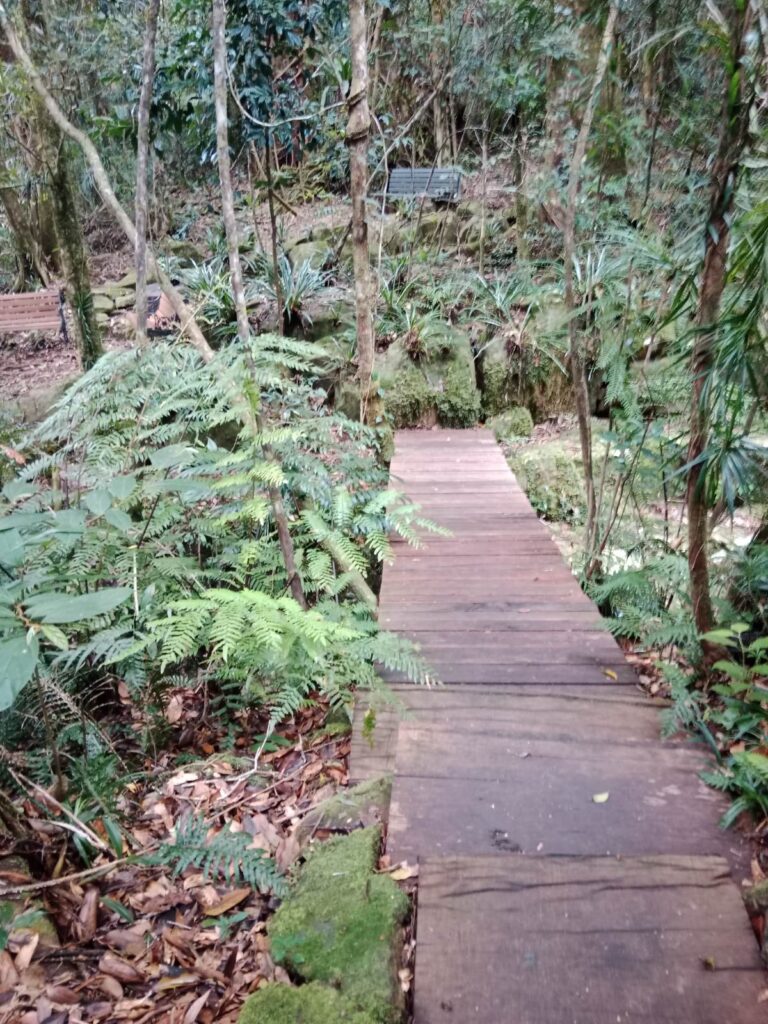
We will be doing some more work on the rainforest track.
We’ll meet at 2 pm at the hall or the start/finish of the track at the western end of the village. As usual, there will be free drinks and the Hall at 4 pm for all volunteers.
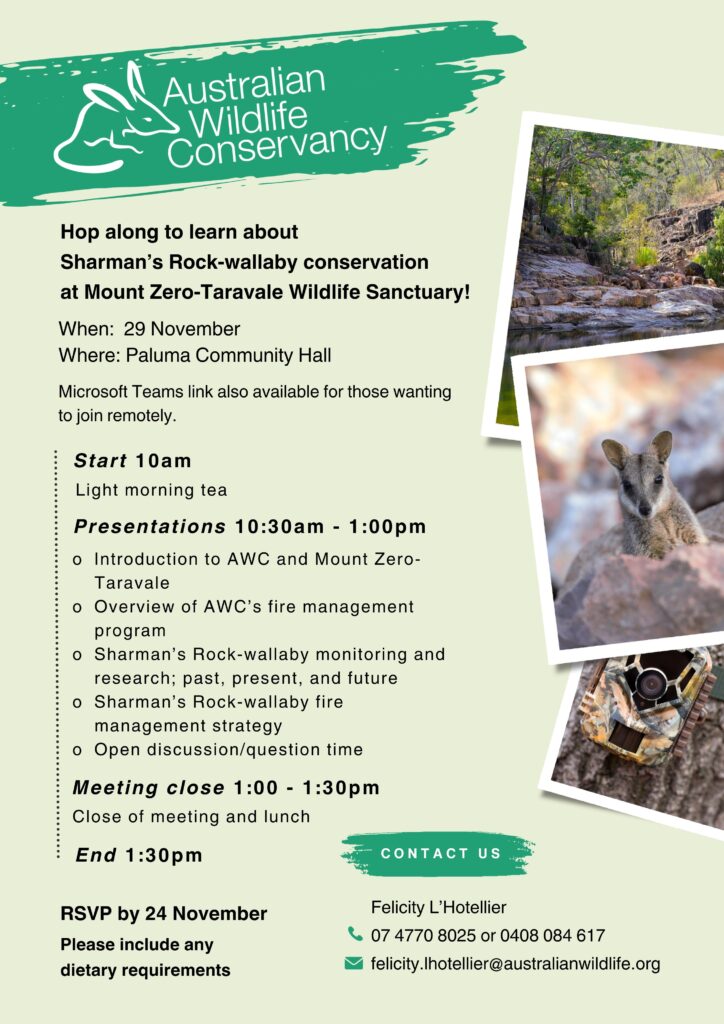
Learn about Sharman’s Rock Wallaby..
If anyone is interested in learning more about Sharman’s Rock-wallabies – a small and incredibly agile wallaby species found in and around complex rocky outcrops across our region – come along to the community information session being held at 10am at the Paluma Community Hall on Weds 29th Nov.
We’ll be chatting about Sharman’s Rock-wallaby conservation and our fire management program at Mount Zero-Taravale Wildlife Sanctuary, and how we can target fire management to help protect this threatened species.
Morning tea and lunch supplied. Please RSVP by Friday 24th, including any dietary requirements.
 | Felicity L’Hotellier Senior Field Ecologist Mobile. 0408 084 617 Phone. 07 4770 8025 Email. felicity.lhotellier@australianwildlife.org Taravale, Ewan Road Paluma QLD 4816 www.australianwildlife.org |
Reminder: Monsters & Mayhem evening this Saturday
Don’t forget that this coming Saturday, November 4 at 6:30 is the annual Monsters and Mayhem evening at the Community Centre. Judging from the pictures that have been published from previous years, this event has provided a great outlet for those with flair and imagination to create an impressive range of gory and macabre costumes and I am sure this year will be no different. Bring a plate and dress up imaginatively – or just come to see what others have done.
Job Opportunity – PEEC

UNIT SUPPORT OFFICER
Paluma Environmental Education Centre
The Paluma Environmental Education Centre has an employment opportunity for a Permanent, Full-time Unit Support Officer to commence on 15 January 2024.
If you are interested in applying, please obtain an application package at https://smartjobs.qld.gov.au/jobs/QLD-NQR520563-23P
Closing date:
Monday, 6th November 2023