Paluma Garden Competition 2018
On a sunny Friday 19th October, the judging of the 2018 Bunnings Paluma Garden Competition took place. Lynn Hyland accompanied the judges around the acreage blocks, whilst Jamie Oliver escorted the judges around the village gardens. Natalie Pace and her mother Denise, both past judges for the Townsville Garden Competition were our 2018 judges. Natalie held an Open Garden in September at her Rollingstone property and attracted 350 visitors. There really are many keen gardeners in Townsville. She is encouraging us to consider having an Open Garden event in Paluma next year. Well Paluma gardeners what do you think about this?
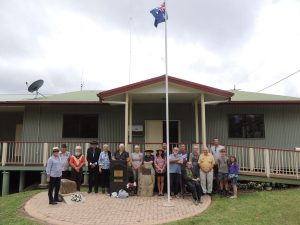
The Garden Competition winners were announced at our PDCA Social on Saturday 3rd November. They are:-
1. Best Business Garden Winner is Gumburu
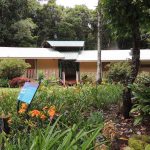
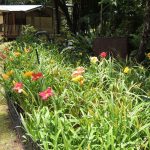
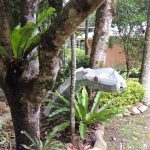
2. Best Acreage Garden Winner is Don Battersby
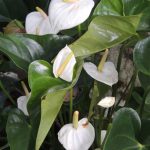
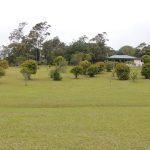
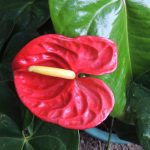
3. Best Residential Village Garden Winner is Nick and Glenda Van Rynswoud. The Alison Evans Memorial Trophy was also awarded to Nick and Glenda Van Rynswoud.
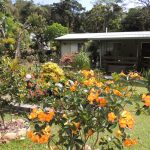
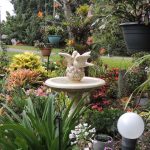
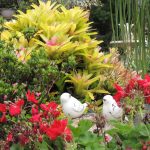
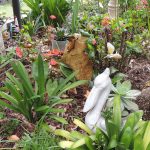
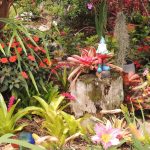
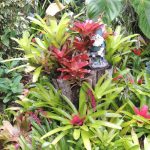
4. Highly Commended Residential Village Garden Winner is Peter and Dorothy Klump
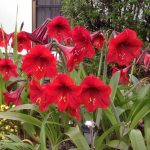
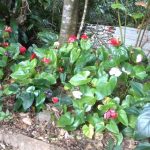
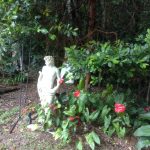
5. An Individual Plant, Garden Bed, Herb Garden or Vegetable Patch, Outdoor Space, etc Winner is Michele Bird
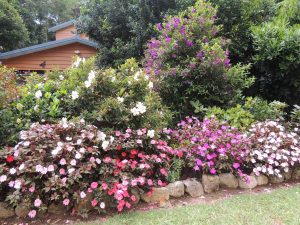
Paluma is blessed with a cooler climate than the coast and hence we are able to successfully grow many plants that aren’t seen in Townsville gardens. During the judging, some of the plants that were in full bloom were the spirea, hippeastrums, New Guinea impatiens, daylilies and orchids to name just a few. Do check out ‘What’s Flowering In Paluma’ on the website to keep abreast of the latest showpieces in Paluma gardens.
Article by Lynn Hyland with Photos by Michele Bird & Colwyn Campbell
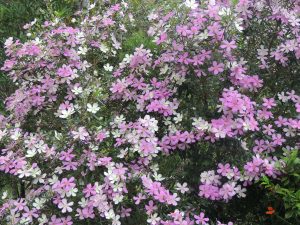
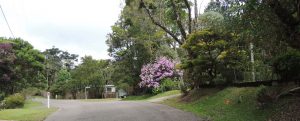 Paluma’s ‘Purple Haze’ – Tibouchina ‘Chameleon’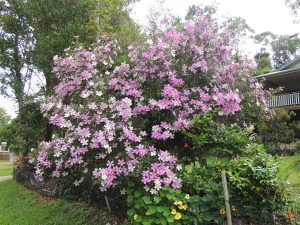
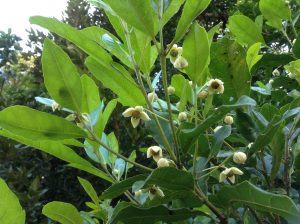 Worldwide, there are about 120 species of Sloanea –named for British scientist and collector Hans Sloan, who lived 1660 to 1753. Four species are endemic to Australia with three of these growing in tropical rainforests in Queensland. Sloanea australis is distributed between the Windsor Tableland and Paluma. Several of these trees may be seen on Mount Spec Road near the Sensory Trail at Paluma Environmental Education Centre where they grow among the stand of forest trees bordering the school property.
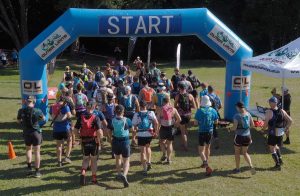
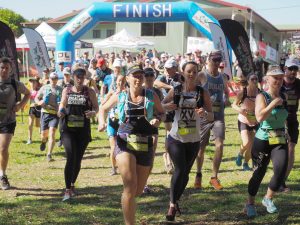
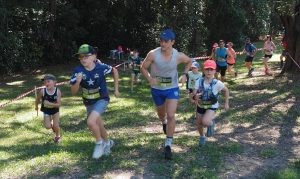
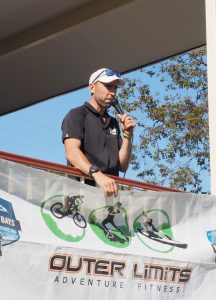 There were 3 separate course covering distances of 6, 10 and 20 km and traversing terrain that many of use would struggle to walk up! Wilfred Karnoll helped out by handing out lollies at the bottom of Blue Gum creek to provide a quick energy boost before runners started the last grueling climb up to the village.