Posts

Paluma History Stories: ‘Robbery Under Arms’ – Part Two

by Linda Venn

Charles Henry Edmonds was a well-known horseman, stockman and drover aged 34. He currently lived at Ollera Gorge. Charles was a widower with one child who lived in Aitkenvale, Townsville, where Charles was well-known, having been in Townsville for about ten years. He had never been in trouble with the Police before. Despite this, Charles was detained on Thursday night, 36 hours after the attempted robbery. He was brought to Townsville on Friday afternoon, presumably by rail, as the highway did not exist at that time. Charles’ mare was also brought to Townsville Friday night, as evidence. In Townsville, Charles was formally arrested on two charges.

Charles’ first court appearance was on Saturday morning, 12th December 1931. All the newspaper reports (often reprinted verbatim across Brisbane, regional Queensland and in other states) mention that Charles’ “appearance in the Police Court this morning drew a big crowd”. (Sunday Mail, 13 December 1931, p. 4) The Brisbane Truth of the same day carried the headline “BANDITRY CHARGE” above a photograph of Detective Senior-Sergeant O’Driscoll, who was wearing a very spivvy hat. (Truth, 13 December 1931, p. 15). The Brisbane Daily Standard of the following day carried the headline “THE BOOTY WAS BIG”. Not talking about anyone’s derriere here, but the amount the ‘bandit’ had attempted to get away with – £391 19s 5d!

The first charge was settled that day and related to Charles being in possession of an unlicensed Colt revolver. Sub-Inspector Blackmore gave evidence that when questioned at his house near Rollingstone, the defendant had handed the revolver to Detective O’Driscoll. It was in his pack saddlebag and was fully loaded in all six chambers. Charles pleaded guilty to possession of the unlicensed revolver. He had enquired of a Constable Crunkhorn regarding a licence but had left on a droving job before actually applying for one. Charles’ defence counsel, Mr. T. M. Barry, noted that a droving job warranted the carrying of a firearm. Barry also said that the defendant “was a man of high reputation, having been employed as a cattle buyer and drover by prominent firms”. (Sunday Mail, 13 December 1931, p. 4) Acting Police Magistrate W. E. McKenzie imposed the minimum fine of £10 in default three months imprisonment.

On the more serious charge, of attempting to steal while armed with a shotgun the sum of £391 19s 5d from the Main Roads Commission (previously Main Roads Board) Paymaster, Michael Killoran, Charles Henry Edmonds was remanded for a week on a self surety of £100 and another of £100 (or two of £50). Police Prosecutor Sub-Inspector Blackmore did not oppose bail. Reports of Charles’ next court appearance on Saturday 19th December on the attempted robbery charge were eagerly awaited.

Paluma History Stories: ‘Robbery Under Arms’ – Part One

by Linda Venn

The construction of the Mount Spec Road as a Great Depression unemployment relief project is well-known and is one of several reasons that the Road was given State heritage listing on 10th November 2008. Surveying of the road began in 1928-1929 and was completed in early 1931 as construction commenced. During the five years it took to build a trafficable track to within a kilometre of the newly gazetted township of Paluma (possibly ‘Windy Corner’), unemployed men worked on short-term rotations under the supervision of a small permanent staff from the Main Roads Board (later Commission). As far as I can ascertain, there were four main camps along the length of the road, with many smaller camps in between, adjacent to specific parts of the project like an arched culvert. While construction obviously started at the bottom of the range near the railway station at Moongabulla, it leap-frogged these smaller, time-consuming projects. The masonry arch bridge at Little Crystal Creek, for example, took months to complete, with access to works above the gorge via a temporary timber bridge.

When I had the pleasure several times of meeting and interviewing Linda McClelland, she detailed some memories of each of the four major camps. By the time the road reached Cloudy Clearing (Paluma), Wilfred and Linda McClelland had five children living in tents or later, a ‘tent house’ located where 31 Lennox Crescent is today. If you ever visit Mount Isa, one such tent house is preserved there as a heritage building.

Linda McClelland remembered each main camp for the significant events that took place there. Camp No. 1 was roughly near the old ‘quarry’ at the very bottom of the range itself. Camp No 1 had a payroll hold-up!

On Wednesday 9 December 1931, Pay Clerk Michael Killoran and driver Harry Stewart drove the Model T Ford utility from the camp to Moongabulla railway siding, where they collected the payroll and its police escort Constable Len O’Brien. As the men working on the road were about to be stood down for the Christmas season, the payroll was almost four hundred pounds (£391 19s 5d). In the Great Depression, this was a considerable sum of money, and all in cash.

On their journey back towards Camp No. 1 at the base of the range, they found the track blocked by a felled tree. This was in an area of ti-tree swamp that Linda called ‘Boggy Hollow’. Without knowing exactly where ‘Boggy Hollow’ was, I lean towards it being the patch of ti-trees opposite the Ponderosa Road intersection. I shall let the Townsville Daily Bulletin, 10 December 1931 tell the beginning of the story.

The party got out…to remove the obstacle and just as they were about to do so, a voice called on them, “Put up your hands.” The party then looked around to see where the strange voice had come from, and observed a man partly concealed behind some rocks and bushes, with a shot gun pointed at them. As they demurred in complying with his peremptory demand, he fired two shots at them in their direction. One of the pellets struck Mr. Killoran just above the temple, but no injury resulted. The offender then made off into the bush, but Constable O’Brien fired some shots at the retreating figure without effect.

Townsville Sketchers visit Paluma

Today the Paluma Pottery hosted a group of artists from the Urban Sketchers Townsville Group for lunch.

The group made a day of it, stopping at little Crystal Creek to sketch the only functional stone arch bridge in Queensland, and then visiting Len Cook in Paluma. Its great that Len is continuing to encourage artists working with various media to come up to the village and enjoy the mountain air, although today was not a good example of our normally cool temperatures!

A sample of one of the sketches by Alison McDonald is shown here. More examples of the results of their visit can be seen on their facebook page.

World’s biggest insect makes a long awaited appearance in Paluma

This afternoon I was wandering down my driveway, coffee in hand, to feed the fish in my pond when I noticed a small group of birdwatchers at the end of the driveway excitedly pointing up and and raising their binoculars to look at what I thought must be one of Paluma’s many special birds. The ladies who, judging from their T-shirts, were all members of Birdlife Townsville beckoned to me and pointed to the nearby telephone pole where, halfway up, was a magnificent male Hercules Moth. This is one of Paluma’s truly iconic wildlife species and while it has been seen around the village in previous years it is not very common and has been on my wish list to see for the last 30 years. I quickly went back up to the house and came down with my camera and telephoto lens and was able to capture some quite decent shots .

The Hercules Moth (Coscinocera hercules) is the largest moth in Australia (and possibly the world) with a wingspan of around 27cm in females. In terms of wing area (300cm2) it ranks as the world’s largest insect. The largest recorded specimen, from Innisfail, had a wing span of 36cm! The species occurs only in tropical Queensland and New Guinea.

The larvae of this moth are voracious eaters, preferring the leaves of the Bleeding Heart tree (Homalanthus) and the Cheese Tree (Glochidion), both of which are common around Paluma. The larvae get pretty big too (12cm) after gorging themselves for about 3 months. They then retreat into a cocoon where they can stay for up to 2 years before emerging.

The adult moths do not have functional mouth parts and thus cannot feed, spending their short adult lives (2-8 days) searching out mates and laying eggs The males are remarkably adept at finding females. Like other moths, the male has very large feathery antennae that are incredibly sensitive receptors for the very specific chemical (pheromone) released by the female. While I doubt that any experiments have been done on the Hercules moth, male silk moths are able to find a female up to 4.5km away and others species are said to be able to detect a single molecule of pheromone.

All told, it is a pretty impressive animal. My thanks to the ladies from Birdlife Townsville for showing it to me. They made my day!

Text and photos by Jamie Oliver

Cyclone Season Preparation

Memories of the 2019 February inundation and the subsequent isolation of Paluma and communities to the west will be with us for years. These memories should prompt all of us living in the area to consider carefully how we prepare for the coming wet season.

The best way to start this years’ preparation is to visit the Queensland Government website www.getready.qld.gov.au. The site addresses preparation for a range of disasters that could affect Queensland. Cyclone, storm damage & fires are the most relevant to our area.  It also lists a number of disaster related apps. Another useful website is www.disaster.townsville.qld.gov.au

Cyclones & extreme rainfall events

The get ready website suggests being prepared for 3 days of self-sufficiency. This may be adequate for the lowlands, but may prove inadequate for Paluma to Hidden Valley communities.  If a high category cyclone crosses the coast anywhere near Townsville, Paluma to Hidden Valley problems are likely to be well down the priority list.

Plan for the worst – what if.

  1. All access roads to the area closed for ten (?) plus days
  2. Prolonged loss of the electricity grid supply.
  3. Eventual loss of landline & mobile phone communication due loss of power to the Telstra site.
  4. Damage to Townsville Water infrastructure resulting in unreliable water supply.
  5. Structural damage to your private residences forcing evacuation to temporary accommodation.

If you work through the three steps of the Have a Plan section of the get ready website you should be covered for most things. However they don’t mention backup generators & standby gas cooking equipment or the associated fuel & gas.

For anyone without internet access the following checklist covers some of the things to consider.

Insurance

Check currency & adequacy.

Basic supplies

  1. Enough food for the whole household including pets. If you have no generator backup for you refrigerator then stick mainly to non-perishable food. (dried or tinned)
  2. Adequate supplies of prescription medication plus cold & flu tablets, pain killers etc.
  3. Toiletries.
  4. Adequate clothing for everyone for the duration.
  5. Extra bed linen & towels.
  6. Sturdy gloves.
  7. Wet weather gear.
  8. Allow 3 litres of bottled water per person per day. Alternatively a small rainwater tank with water purification tablets from chemist/camping stores. Without power electrical appliances will not be able to boil water for safety.
  9. Important documents & a backup hard drive.
  10. Up to date first aid kit.
  11. Adequate generator fuel & gas for backup cooking equipment. Those on solar off grid systems should consider how much fuel they may need if the solar array is damaged.
  12. Spare batteries for torches/radios.
  13. Sturdy waterproof containers for food, clothes, medication, phones etc.

Communications

  1. The Telstra site has a backup generator but no external fuel tank suggesting it is only designed for short term power interruptions. There may also be batteries in the equipment hut. So landline & mobile phones may continue to work for some time after a power failure & then shut down. Suggest it wise to make any important phone calls or emails as soon as possible after the event.
  2. For landline phones a non 240v phone is best.
  3. Have an alternate way of charging mobile phones & tablets without mains power.
  4. Will your mobile phone work at the Star Valley or McClelland’s’ lookouts.
  5. Battery radio.

Equipment

  1. Generator –tested/serviced.
  2. Backup gas cooking equipment (BBQ) if you only have an electric stove.
  3. Alternative lighting.

Evacuating you house due structural damage.

Extra things that should be considered for an evacuation kit include bedding (sleeping bags, inflatable mattresses & pillows), reading material & games, cash.

If you are not going to be in the Paluma area.

  1.  Ensure anyone occupying your house is aware of the above suggestions.
  2. Clean out your fridge & freezer
  3. Consider supplying a neighbour with a key & your contact details so they can access your property to check for damage & report to you.

Charlie Allen, Mt Spec SES

Wet Season Pop-ups

Fairy rings of pale, slightly frilled fungi have grown in a dark part of my garden overhung with coleus plants.  They formed a dense colony and looked quite magical.  Unfortunately, I was not able to get a good photograph of them.  However, their appearance prompted me to search for more of what I call ‘pop-ups’ – the little fungi that, encouraged by the warm, humid weather, pop up all over the lawns, in pot-plants and beneath shrubbery throughout the village.

I would need the help of a mycologist to identify the different species of fungus but am fairly sure that the lacy-cowled fungus collapsing over the mulch pile near PEEC, is a species of Phallus fungus. It is commonly known as a ‘stink-horn’ as it has an unpleasant smell of decaying flesh.

A small white toadstool on the Village Green had been tipped over, giving a good glimpse of the ‘gills’.  On the lawn outside No 24, and again on the opposite side of the road, several clusters of pale ‘mushrooms;’ have popped up.  They have the distinctive ‘mushroom brown’ gills and easily peeled skin that identifies an edible mushroom but I am not prepared to take the risk of sampling one.

A cluster of tiny orange coloured fungi is growing under the mint.  I wonder if it could be a species of Hypholoma.  

Over the next few weeks we should expect to see many more pop-ups erupting.  Have fun finding them – many will be more spectacular than these early samples.

Another pop-up we all know and welcome with the early rains, is the dainty, pink flowered Rain Lily, (Zephyranthes species) which blooms in little clumps throughout Paluma.

Text and photos by Colwyn Campbell

Nature Notes from Paluma

Many of you will have enjoyed reading the informative ‘Nature Notes’ contributed by Paluma’s resident naturalist Roy Mackay over a great many years. Roy’s passion was to educate people about the natural world and to foster interest and respect for our native flora and fauna. In the spirit of continuing Roy’s great work and his legacy of reporting on nature’s treasures in and around Paluma Village, we present the following notes, observations and musings contributed by long-time residents and fellow naturalists Linda Venn and Colwyn Campbell.

Linda Venn writes:-

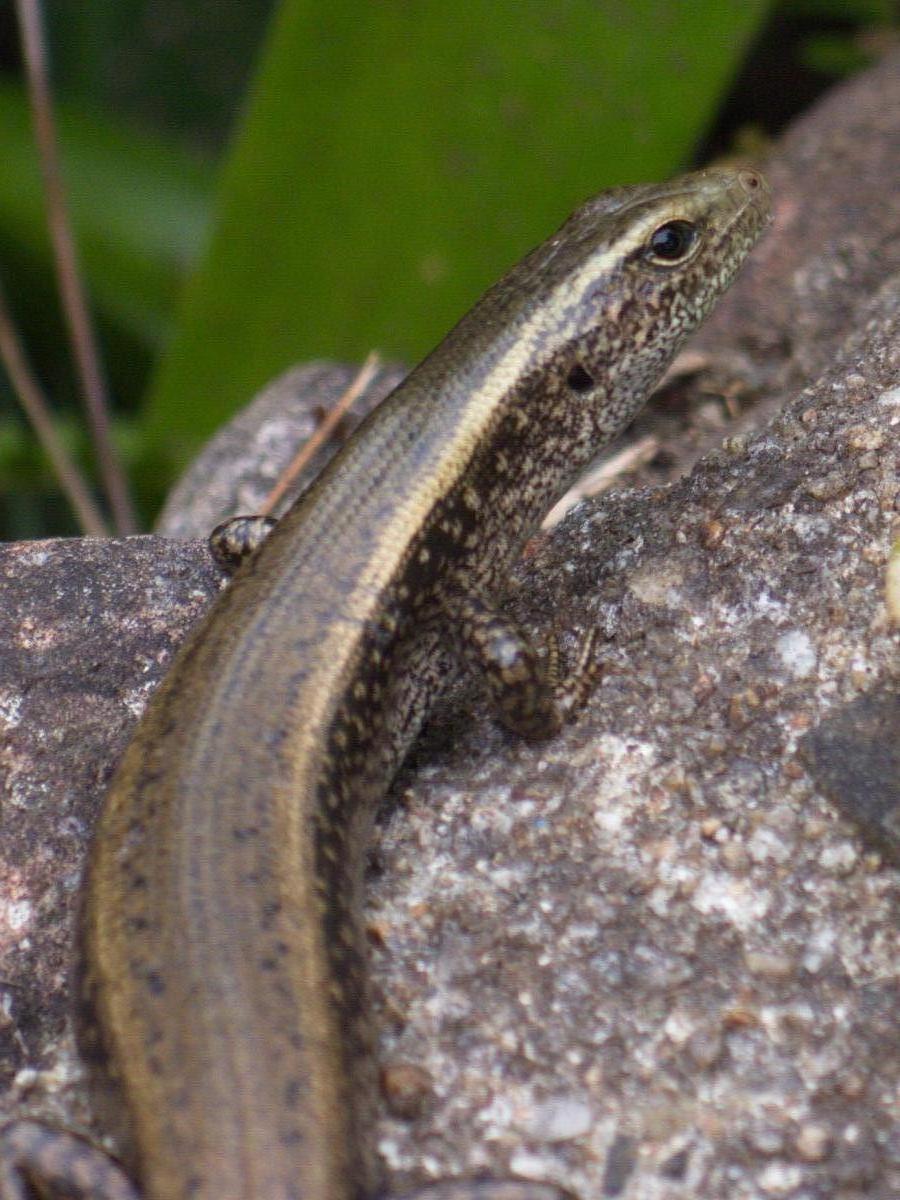
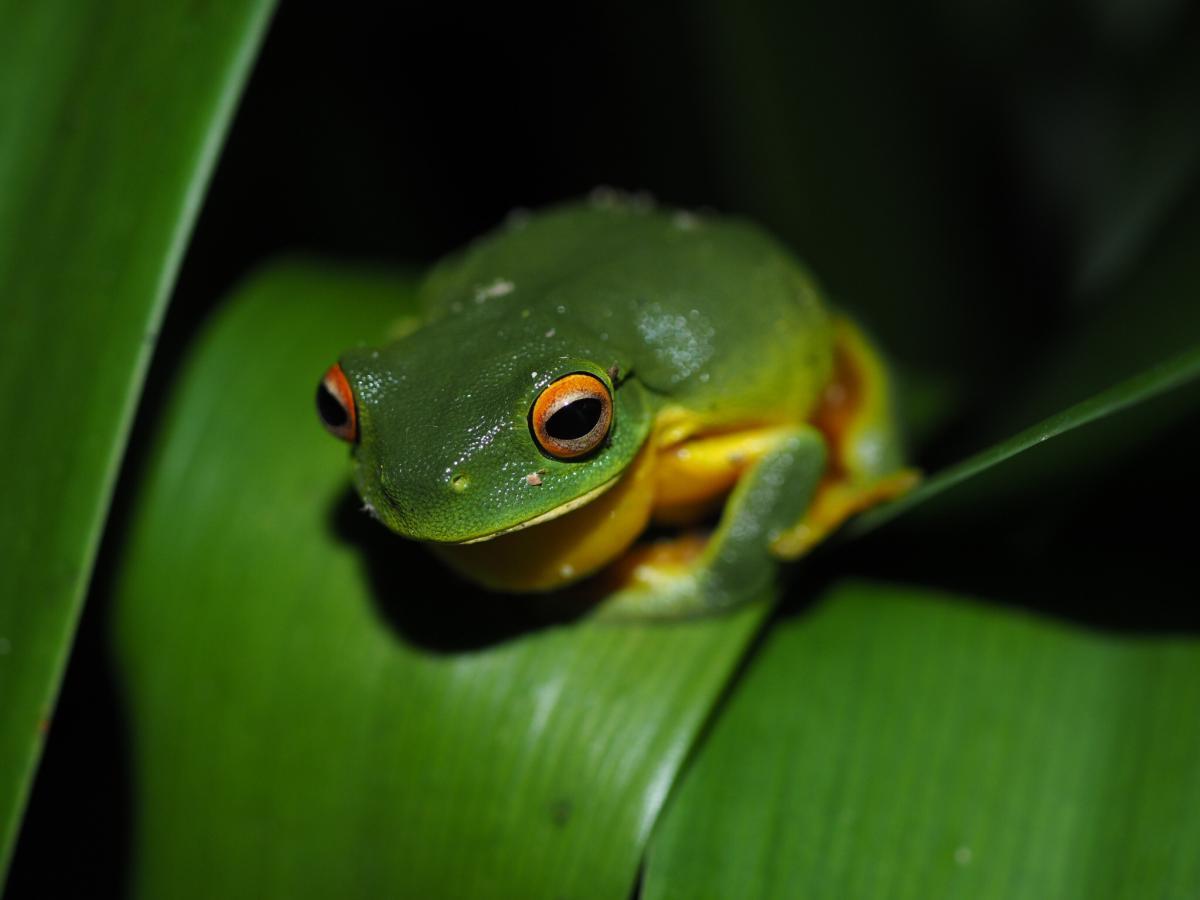
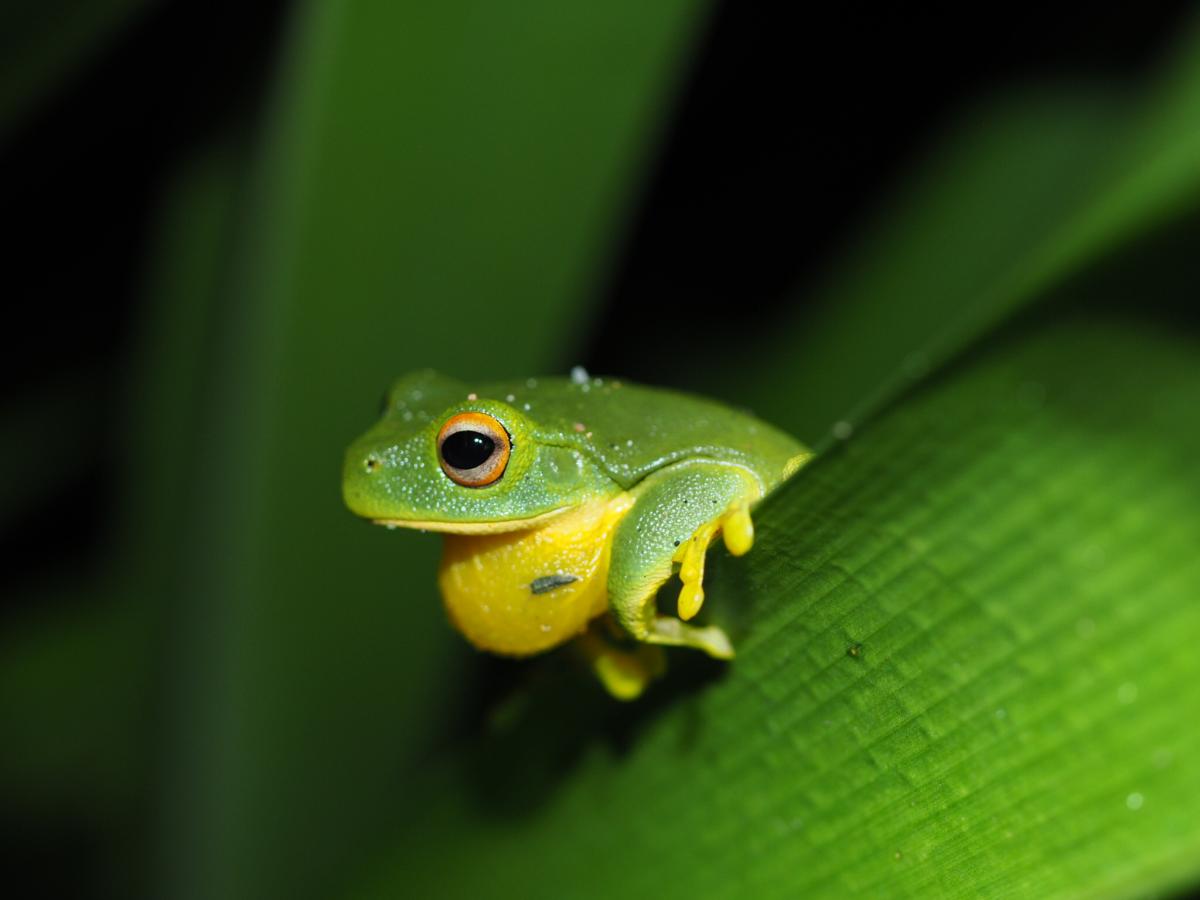
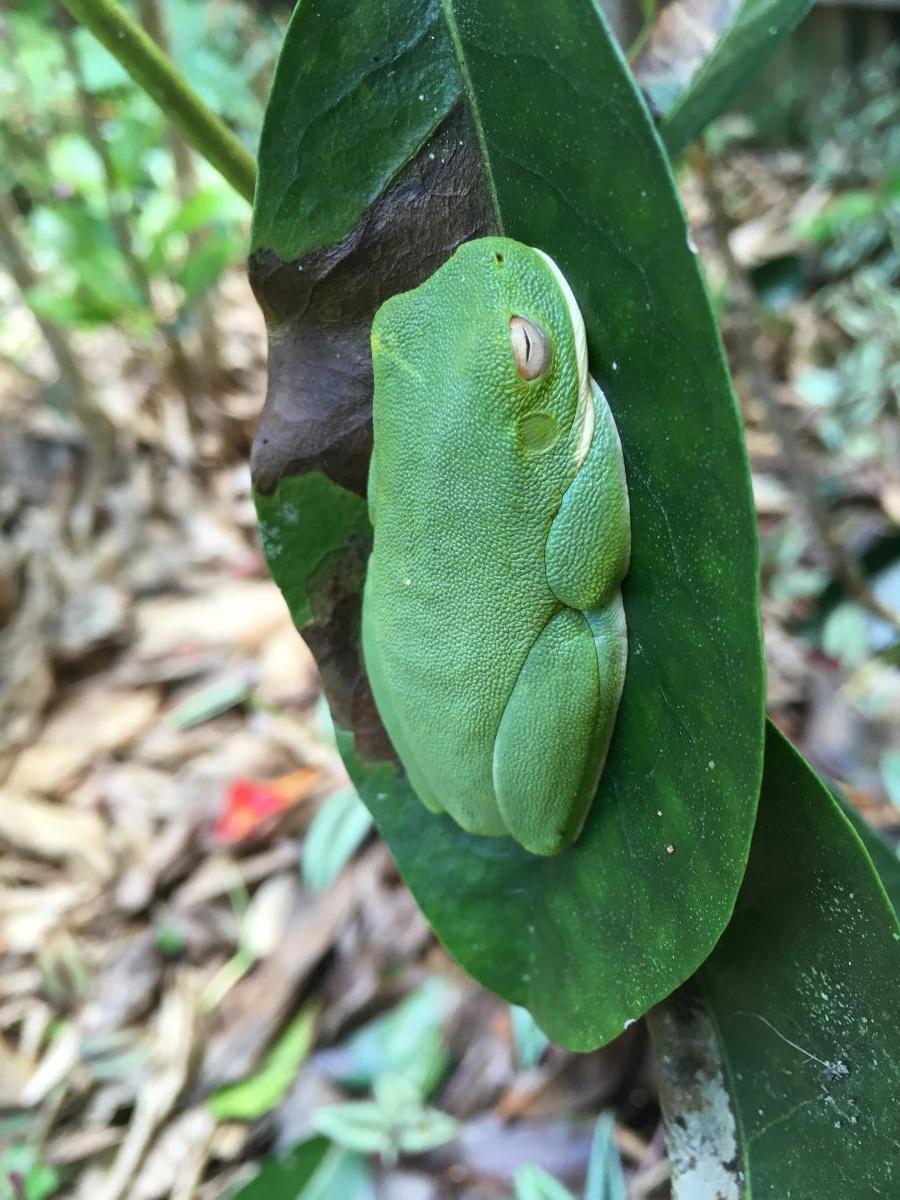
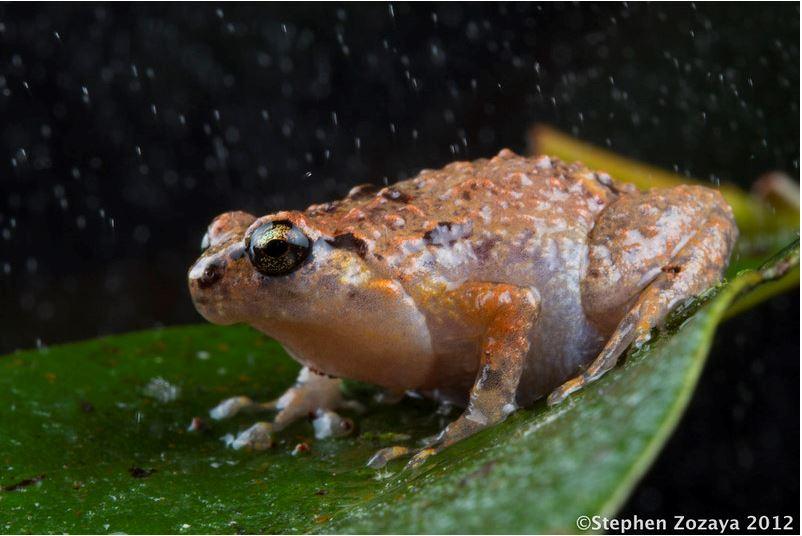
You already know (from previous postings) about our Northern Leaf-Tailed Gecko which made an appearance at Summerhouse (No. 16) over Christmas. Well, in the same time period, we had a common Green Tree Frog trying to get in the pet flap on the back screen door. We can hear several Green Tree Frogs calling when it rains, which is unusual. When we first came to Paluma, conventional wisdom was that the only Green Tree Frogs here had been inadvertently imported in goods brought up the hill, as it was too cold for them. Well, now we have at least three just at our end of the Crescent. Maybe Paluma is warmer now than it was 30 years ago? It’s certainly drier.

Another unusual visitor is the Pallid Cuckoo. There’s been a pair around for the last few weeks. These are not often seen in Paluma, though Andree Griffin recorded one at the dam in 1971 and Roy Mackay saw one in Paluma more recently. Their flight is very falcon-like, but whether or not they are a bird of prey was not confirmed by the smaller birds – who couldn’t care less about their presence and gave no alarm calls. This is interesting, considering that the Pallids parasitise honeyeater nests.

Talking of the cuckoo group, I heard a Koel calling one night, but not since (Phew! Noisy buggers!). Must have been just passing through, as were the family group of Black Cockatoos. Also got a good look at a Shining Bronze-Cuckoo this morning; usually heard but not seen. They’re quite small and delicately barred on the chest.

Another interesting one is the Red-necked Rail/ Crake that was calling outside our bedroom window one morning, in the regrowth forest at the rear of Fatima Cottage. This lovely little “chook” was first seen in Paluma by my brother, in the backyard of Ivy Cottage in 1982. Seems to stay close to creeks and is more likely to be heard than seen. Its call is a maniacal laugh, quite disconcerting at close range before dawn!

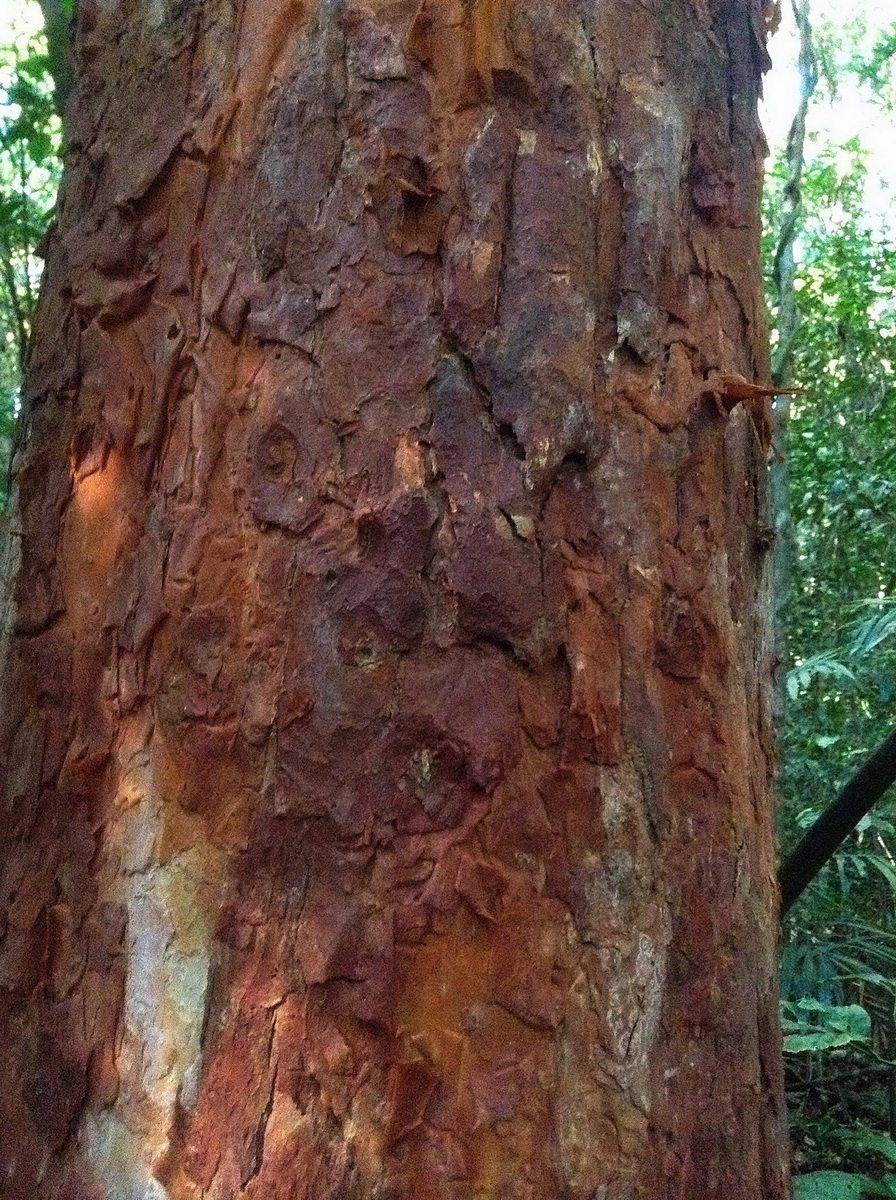
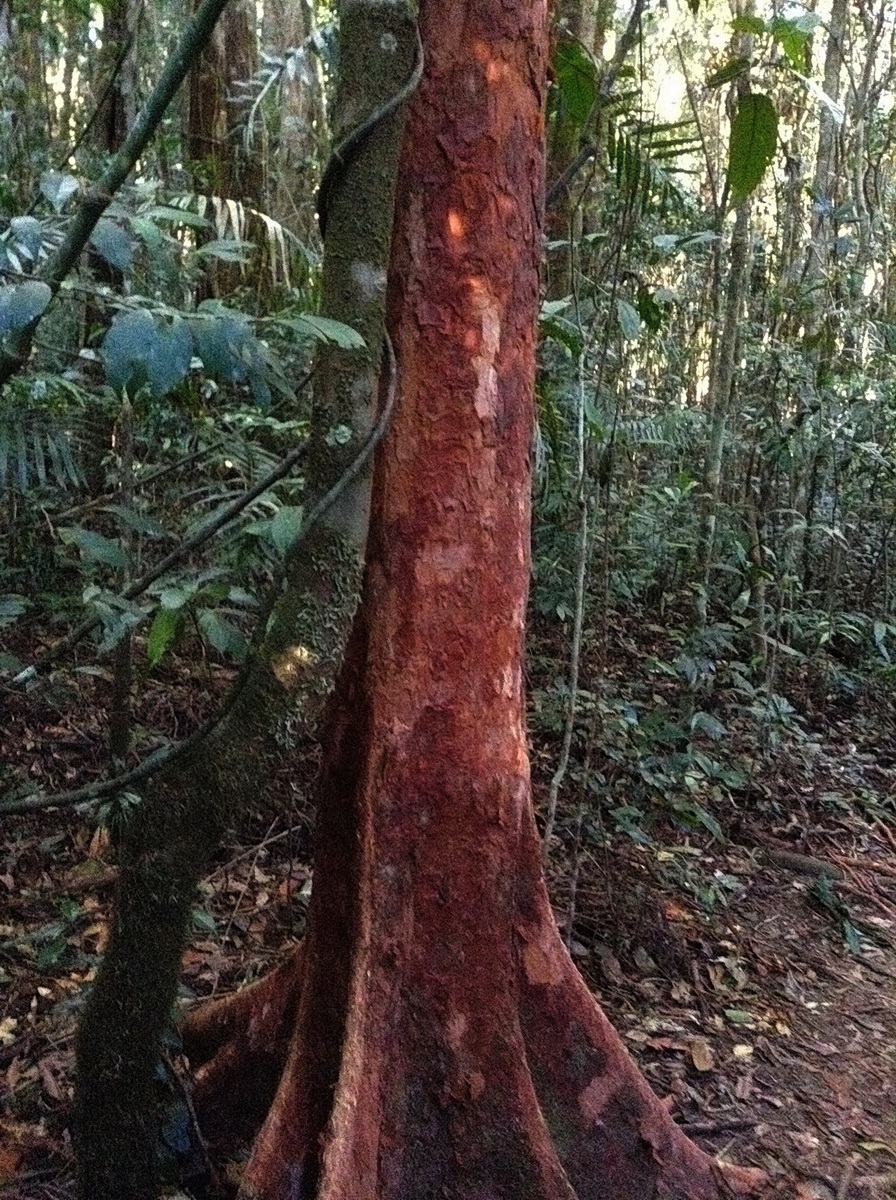
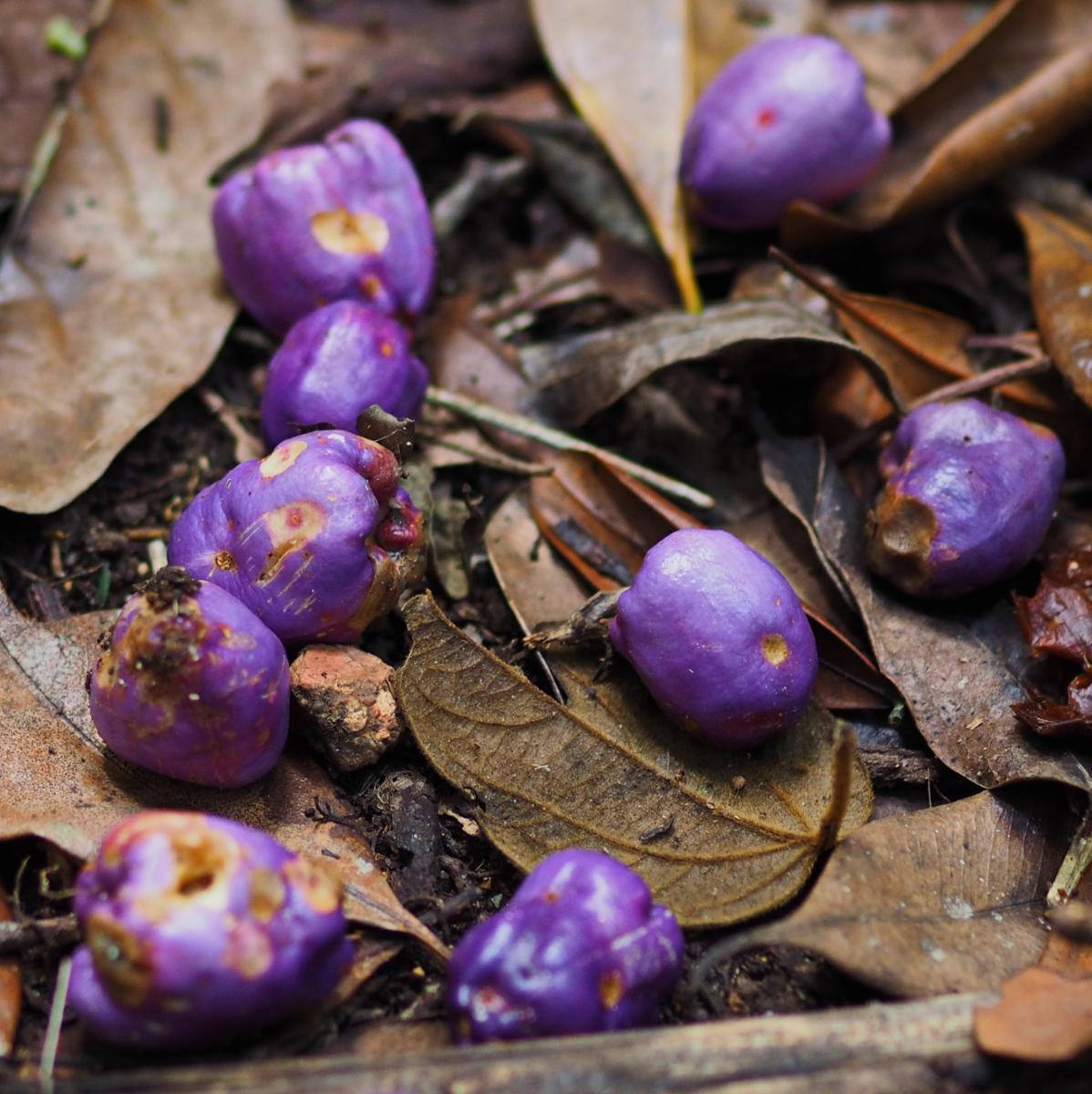
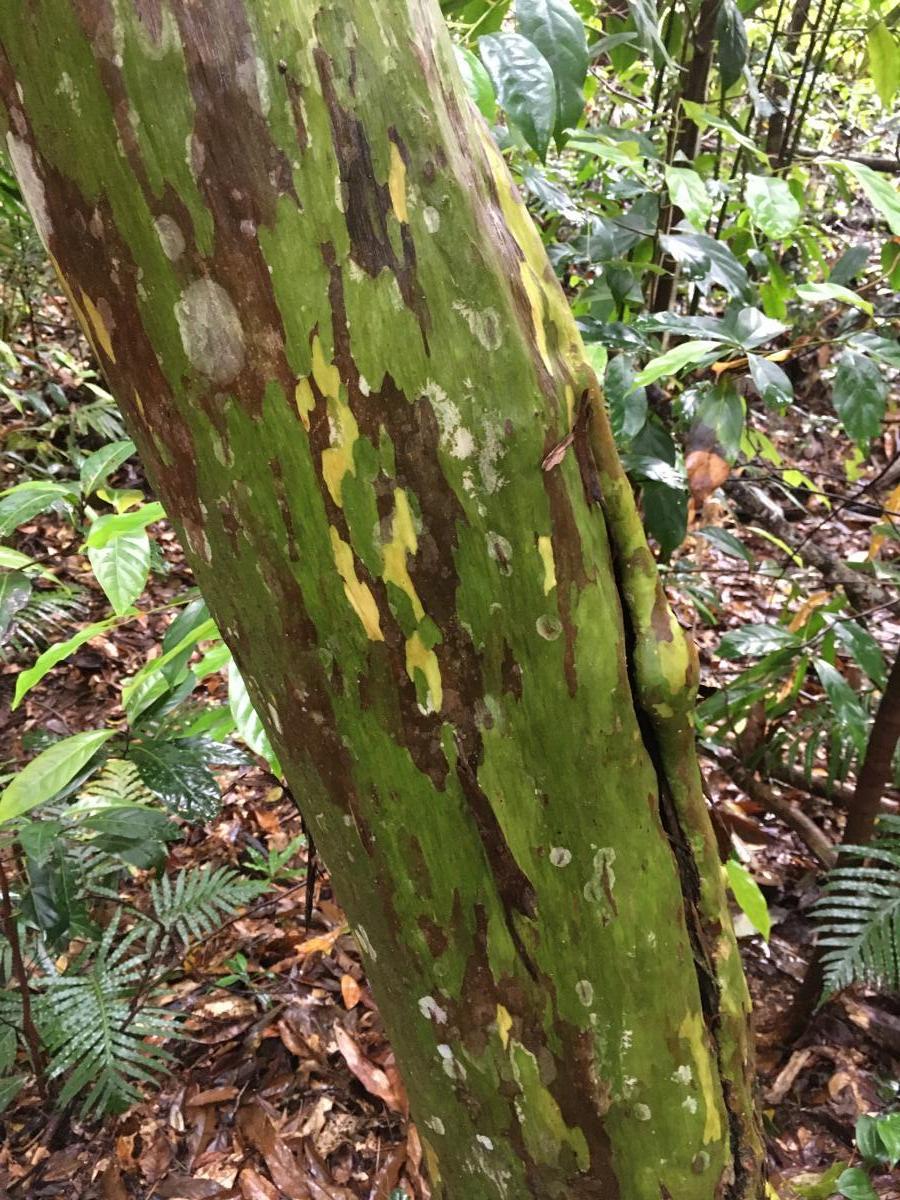
Yesterday, we had a solitary Metallic Starling in our rusty fig (now fruiting, so we’ve had a Figbird or two as well). To see just one starling is unusual, as they usually travel in flocks. Well, this morning a small flock arrived and spent time in the fig and the regrowth between Summerhouse and Mt Spec Cottage. Their fluttering flight is distinctive. 

We also have a shy resident Tooth-billed Bowerbird who enjoys both the figs and the fruit of the walking-stick palm. He was giving his repertoire of mimicked bird calls the other evening, quite disconcerting until you realise that all those different birds are highly unlikely to be in the one tree at the same time!

Another bird that usually travels in a group is the Silvereye. We’d only seen a pair, then this morning a small flock arrived in the regrowth on the footpath.


Colwyn Campbell penned the following response:-

A few years ago, (I’d have to trawl through old diaries for the date), Linda Venn called me over to look at a bird feasting on the fruit of a rhodomyrtus in the front garden. It had been there all the previous day and it was the scolding of smaller birds that drew attention to it. It was unfazed by our presence and just kept eating, seeming determined to strip the tree.  We were puzzled because it had the distinctive markings of a cuckoo. Roy Mackay came up and identified it as a young Pallid Cuckoo. We were puzzled as its presence was unusual here; also Linda wondered what local bird would have a nest big enough to have hosted the cuckoo. 

The Red Necked Rail/Crake makes its way in the evenings along the creek area behind my house. Only twice in all the years I have been here have I seen one venture onto the back lawn. Last year I saw one at the edge of the shrubbery across from Manali. Coincidentally, that afternoon, two birdwatchers had the Rail/Crake on their ‘to see’ list and it emerged from the scrub long enough for them to take some good photos. Seven years ago near Roy Mackay’s house I found one dead on the road verge. It had evidently been hit by a car, but was almost unmarked and still warm. Roy stuffed it and it now is in the museum.

The Koel – yes, I was surprised to hear it too.

What’s Blooming at Paluma: Christmas Orchid

Calanthe triplicata (Common Christmas Orchid)

There is nothing ‘common’ about the beautiful ground orchid Calanthe triplicata currently flowering along some of the rainforest walking tracks around Paluma. Flowering specimens have recently been observed near the track to McClelland’s Lookout (off the Loop Road) and along the H-Track.

This evergreen terrestrial orchid generally grows in clumps from fleshy pseudobulbs. The plant has dark-green lance-shaped leaves with prominent parallel leaf veins. It can grown to 1 metre tall, but all of the specimens observed at Paluma are smaller, between 30 to 40 cm in height. The white flowers are borne on erect racemes at the top of the flowering stem. Flowering occurs from October to February.

The Christmas Orchid occurs in Cape York Peninsula and North East Queensland, usually in mountain rainforest at high altitude from about 700 metres to 1250 metres.

Article by Michele Bird & Lynda Radbone.

Summer Fruit Platters – Paluma style

I am sure all of us have had a good feed of tropical fruit over the Christmas-New Year period but I doubt that this included any of the fruit which is currently scattered along our local walking tracks. This food is vitally important to local birds and mammals as well as insects, and some of it is edible and would have been highly valued by traditional owners of the forests. During two walks over the holidays (one by my daughter Carla and her partner Michael out behind the dam just after Christmas, and the other by me along the H-track this Sunday past) it was possible to accumulate a pretty diverse and colourful assortment of fruit. I thought I would share the photos since the colours and shapes are are visually stunning.

H-Track, January 5th, 2019 (also from Lennox Cr)
DCK Shelter to Diorite Falls (behind Paluma Dam), December 27, 2019

Since retiring I have been sporadically collecting fruit during my walks and looking them up in the rainforest fruit “Bible”1. This has enabled me to make a guess at the names of around a dozen of what I reckon is 20 different species between the two platters displayed here. I know that some of these are edible, but others may not be so please do not experiment with any fruit you find in the forest unless you are absolutely sure of your identification and your knowledge of edibility.

Here is the list of trees whose fruit I have tentatively identified in the photos.

  • Paperbark Satinash (Syzygium paparaceum)
  • Silver Ash (Flindersia bourjotiana)
  • Grey Carrabeen (Sloanea mcbrydei)
  • Small leaved Fig (Ficus obliqua) a strangler fig
  • Silky Tamarind (Guioa lasionerua)
  • Hickory boxwood (Planchonella euphlebia)
  • Synima (Synima cordierorum)
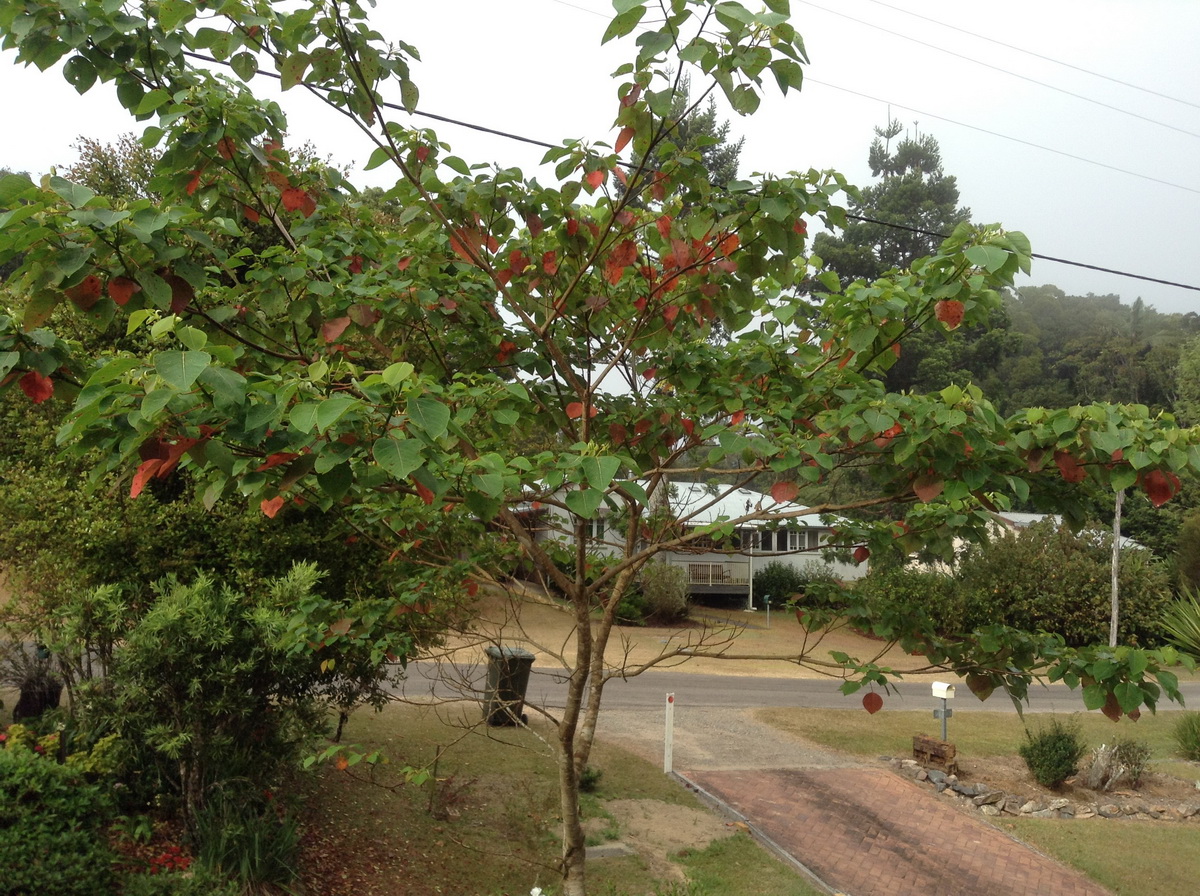
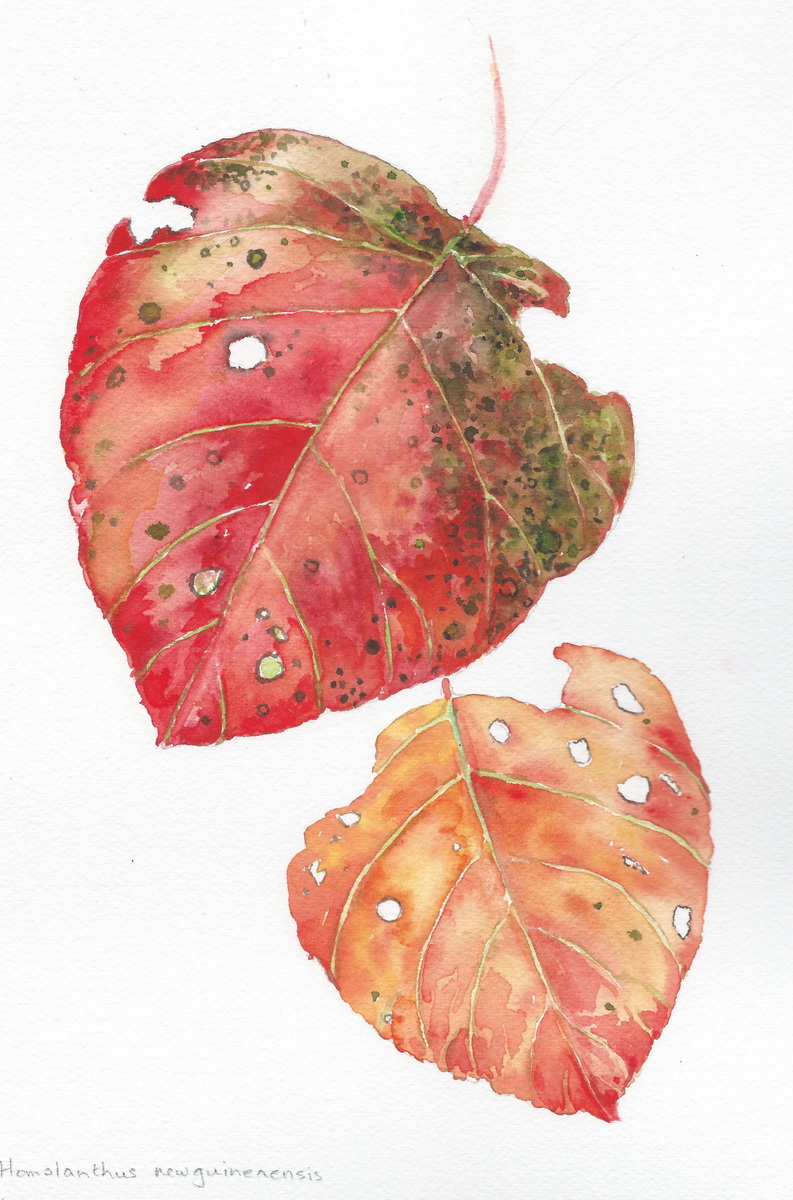
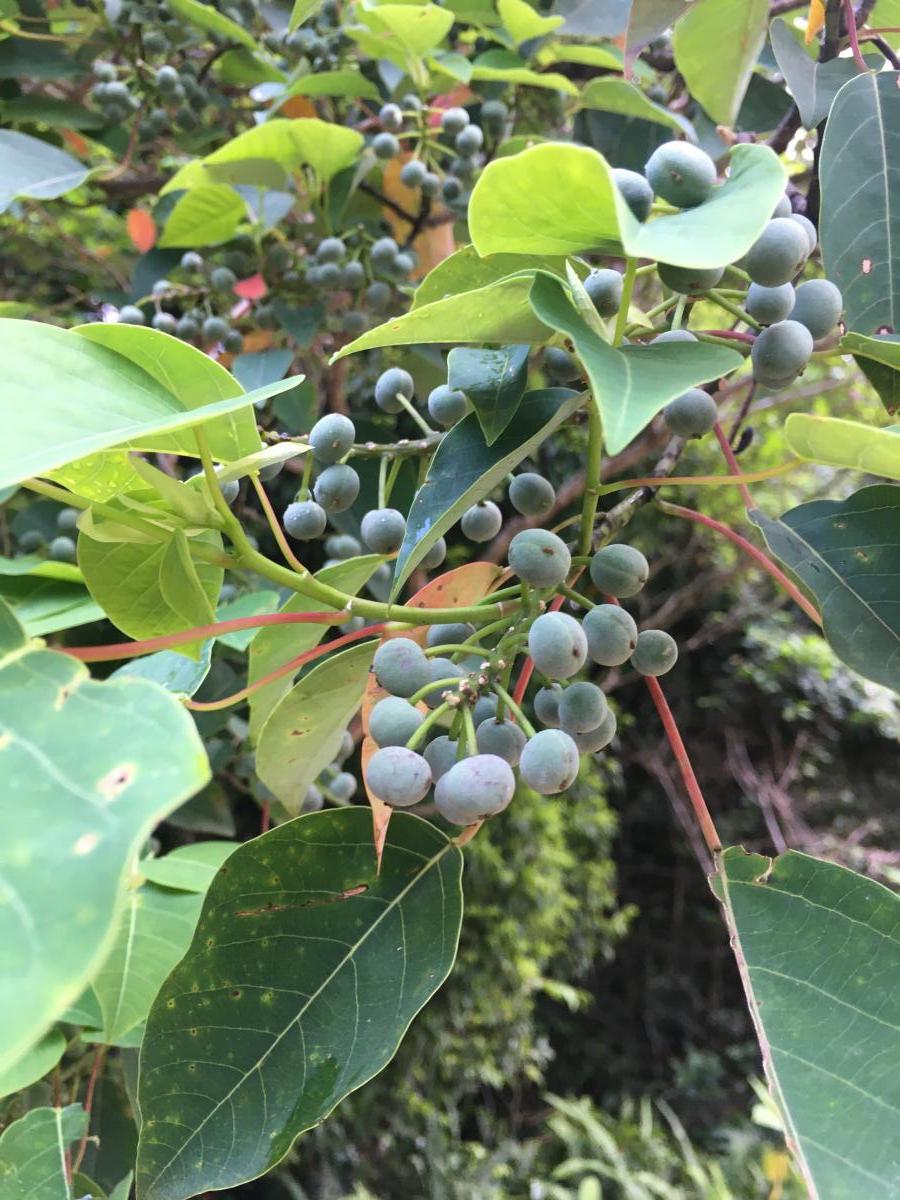
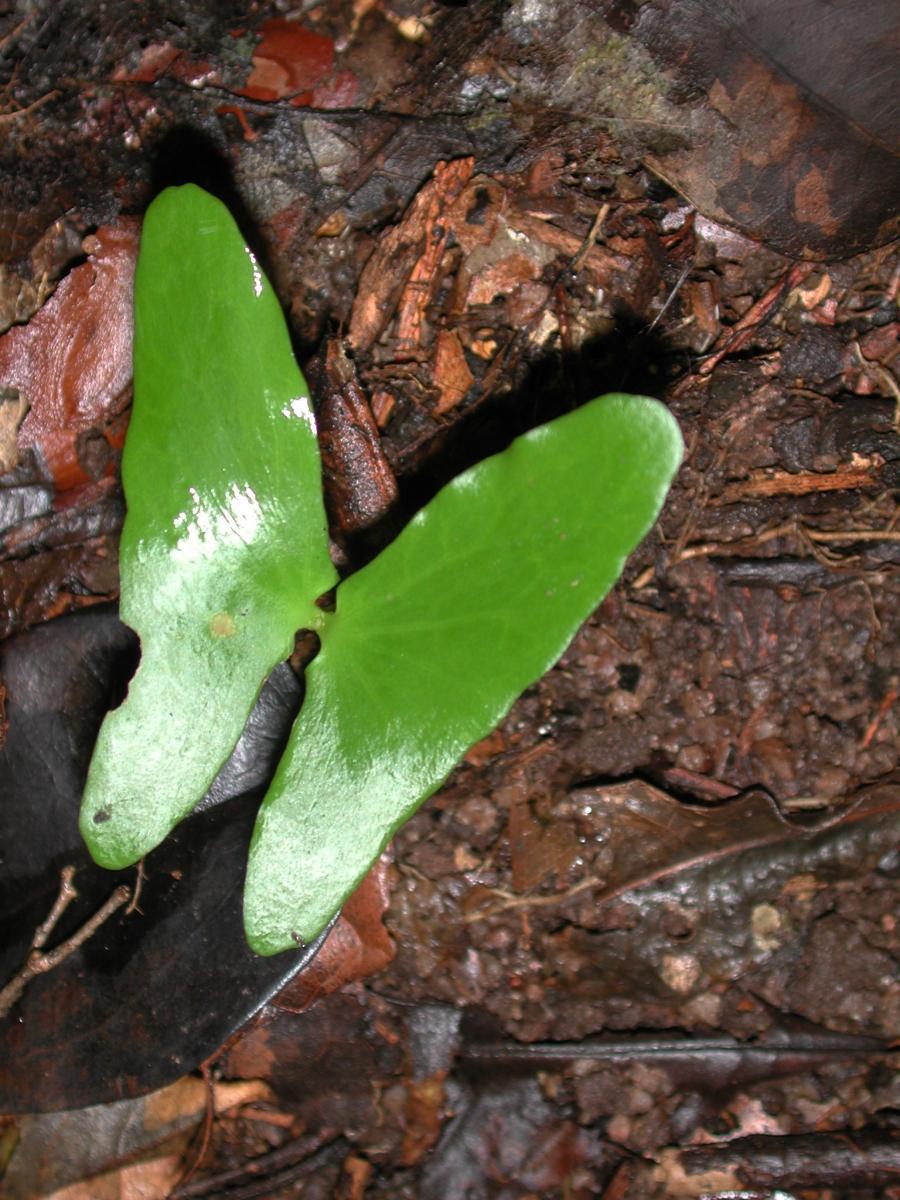
  • Bleeding Heart (Homalanthus novo-guineensis)
  • Powderpuff Lilli Pilly (Syzygium wilsonii)
  • Quandong (Elaeocarpus spfoveolatus?)
  • Black Pine (Prumnopitys amara)
  • Jitta (Halfordia kendack)
  • Cinnamon Laurel (Cryptocarpa densiflora)

If anyone has any other names to suggest please leave a comment!

Text and photos by Jamie Oliver

1Cooper & Cooper (2004). Fruits of the Australian Tropical Rainforest. Nokomis Editions, Melbourne

Paluma Rainfall (2019)

Over many years Don Battersby has been vigilant in recording the annual rainfall statistics at his property on Hussey Road on the western outskirts of Paluma Village.

Don has kindly contributed the following rainfall statistics for Hussey Road for 2019. The total rainfall recorded by Don for 2019 was 4205.5 mm with rain falling on 99 days of the year.

The stand-out months for rainfall were January and February with a total of 3069 mm of rain falling in these two months (equivalent to 73% of the total rainfall for 2019). In the latter part of 2019, the stand-out month for the lack of rainfall was September with not a drop of rain recorded at Hussey Road!

Are there other rainfall recordings for Paluma and surrounds?. If you have been recording rainfall at your property we would love to have your statistics!

Rainfall recordings by Don Battersby. Text by Michele Bird.