Posts

Unofficial Notice of Paluma Dam Road Closure (Oct 5th-Nov 4th)

While the Townsville City Council does not have any official notification on their website I have received verbal advice from a council officer that major works to prepare the major potholes and ditches at specific spots on the dam road will commence and October 5th and be completed by November 4th – rain permitting.

Although it is disappointing that earlier advanced written notice of the closure directly from the Council to residents has not occurred, it is very good news that the chronic erosion of the road due to drain and culvert blockages will finally be fixed more permanently than just throwing some fill onto the road. Many thanks to Wilfred Karnoll whose persisentence during repeated phone calls and delayed meetings finally resulted in the recognition of the problem and a promise (soon to be fulfilled if it doesn’t rain) to fix it.

Reminder: The Last Paluma Market for 2021

The Queen’s Birthday weekend is the last Paluma Market for the year. It will be held on Sunday 3rd October from 9.00 am to 1.00 pm.

There will be a selection of stalls and the usual sausage sizzle. So, come up the mountain for the day and enjoy the cool ambience of Paluma. The kids can enjoy the playground while the adults scan the stalls in the hall for a bargain, enjoy a cuppa or a sausage or two.

Stall holders are welcome and should contact Lynn on 4773 7675 or eMail  lynnhyland@optusnet.com.au

See you at the Market.

Jack’s Awards

One of Paluma’s youngest residents has finished off the school year with some impressive awards.

Jack Appleton attends Ingham State High School and is finishing Year 12 in 2021. Recently Jack received two awards:- A Merit for Studies and the Subject Award for Certificate II in Automotive Studies.

Anyone who knows Jack, can attest to the fact that he has a remarkable ability to fix anything on wheels or with an engine! He is well known for gathering up all the unwanted bikes, scooters, motorbikes and even lawn mowers from around the village and Ingham township, to recycle the parts into contraptions that go – usually at full throttle and sometimes with a bit of noise!

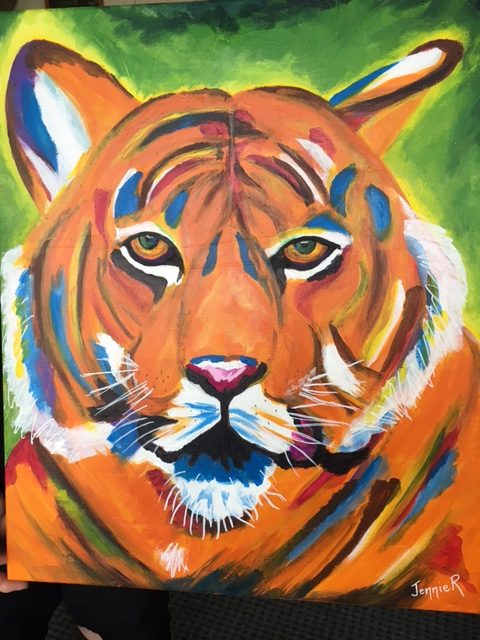
His parents (Neil and Jennie) are most proud of his efforts at school this year. Mum Jennie might have to stop complaining now about all the ‘bits’ and ‘parts’ taking up space on the verandahs. I reckon it won’t be long before Paluma has its own mechanic on hand!

Congratulations Jack from all your friends and extended family at Paluma. Well done mate, we are proud of you!

Saturday Night Fever Hits Paluma

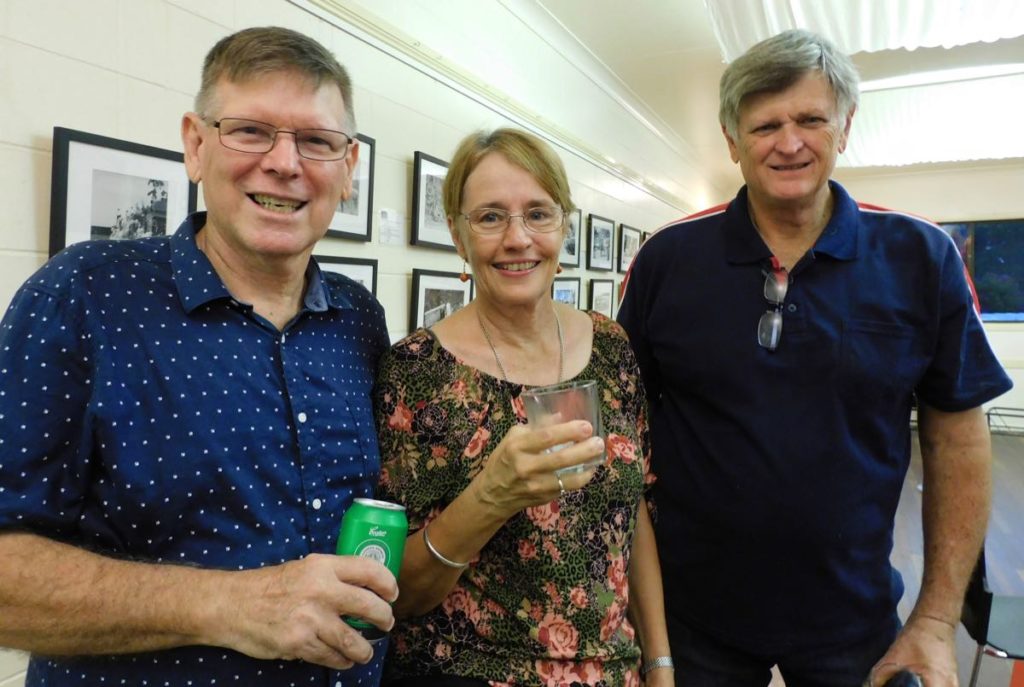
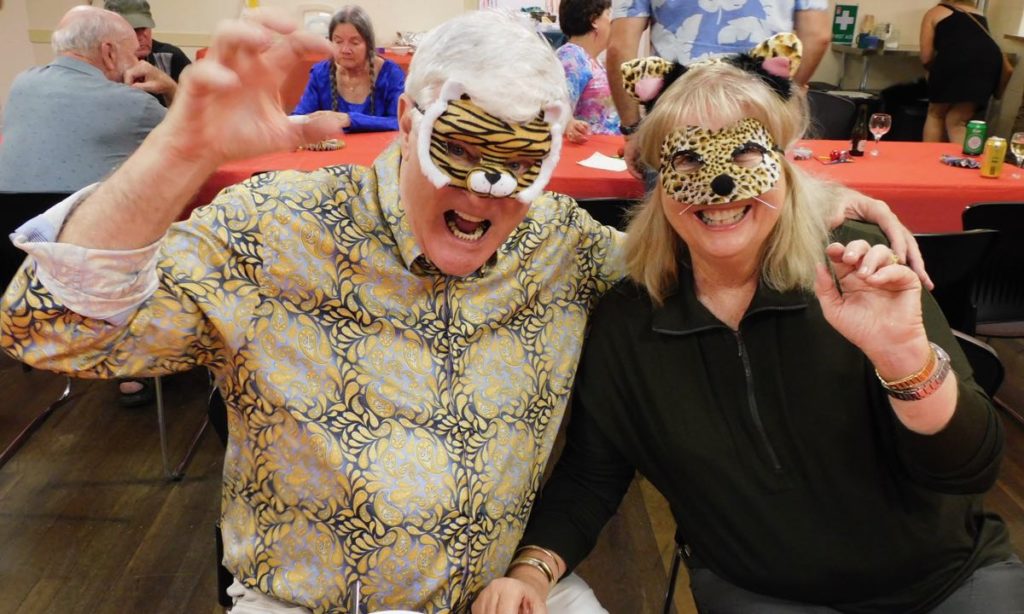
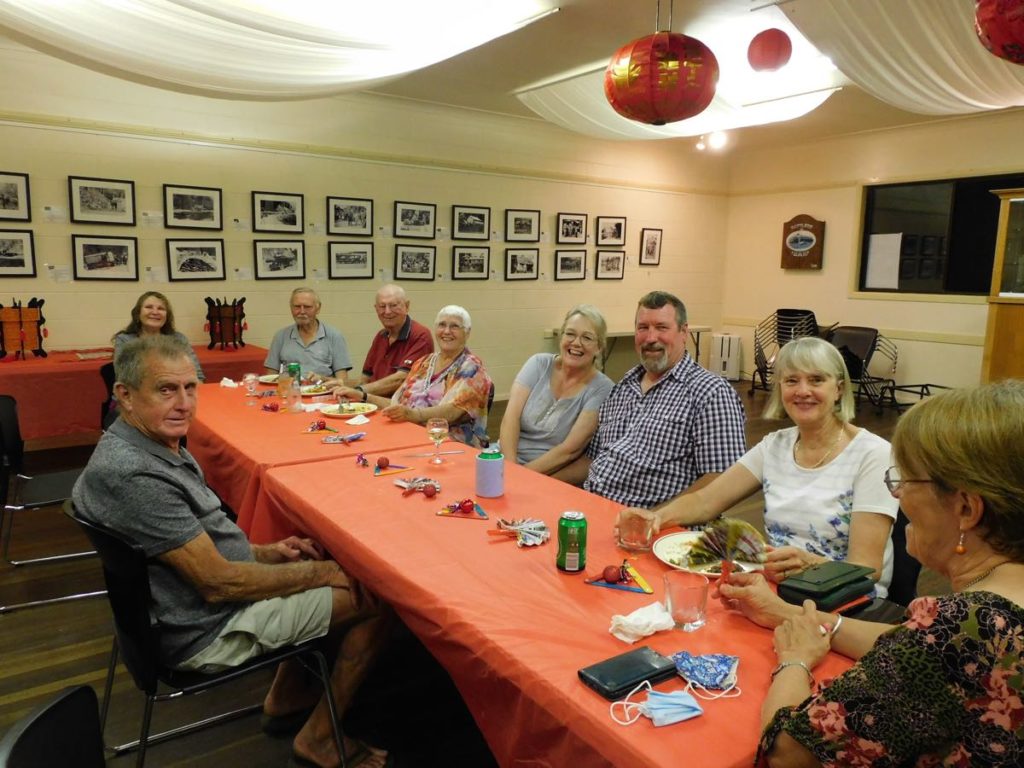
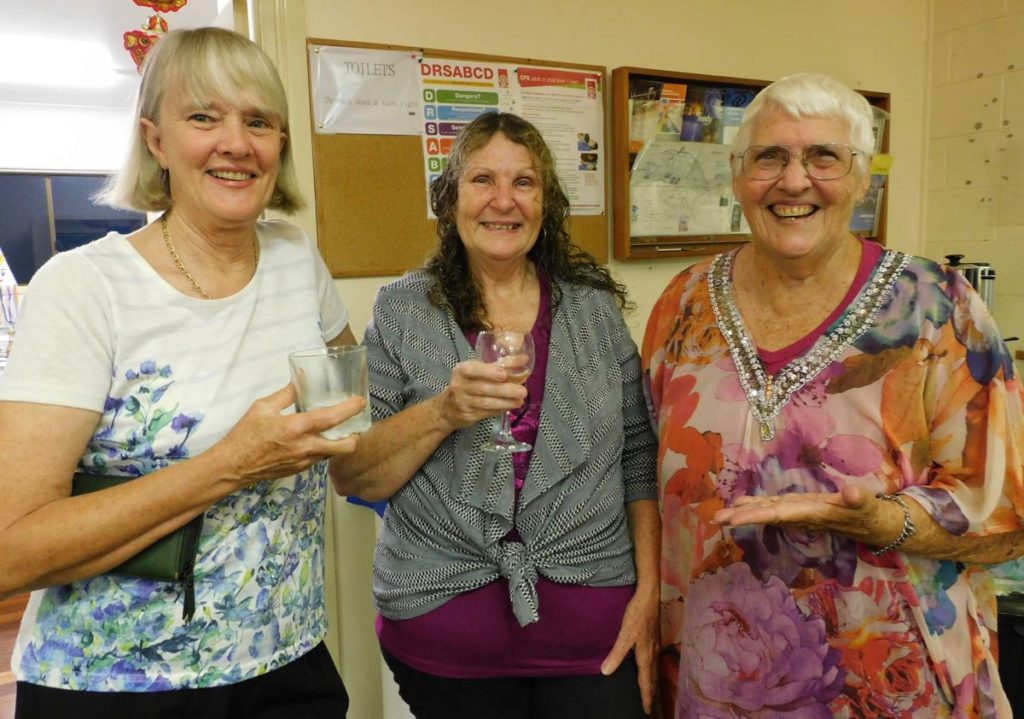
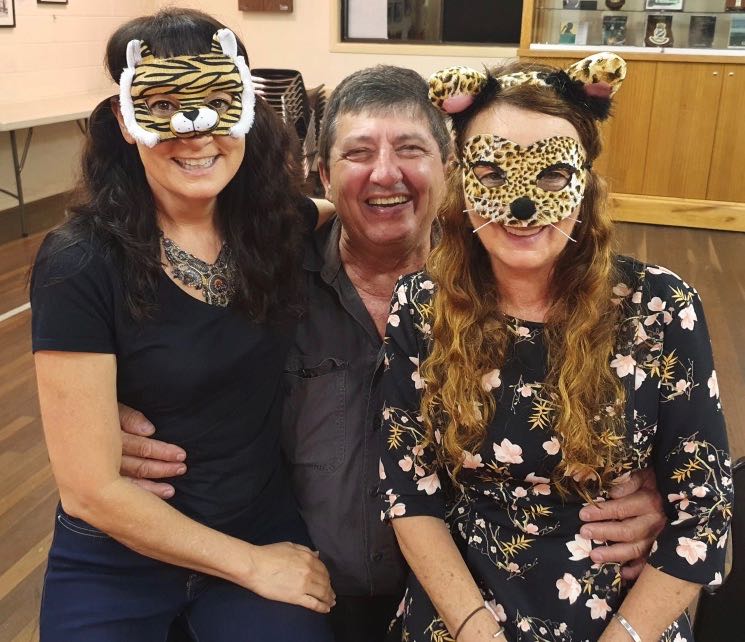
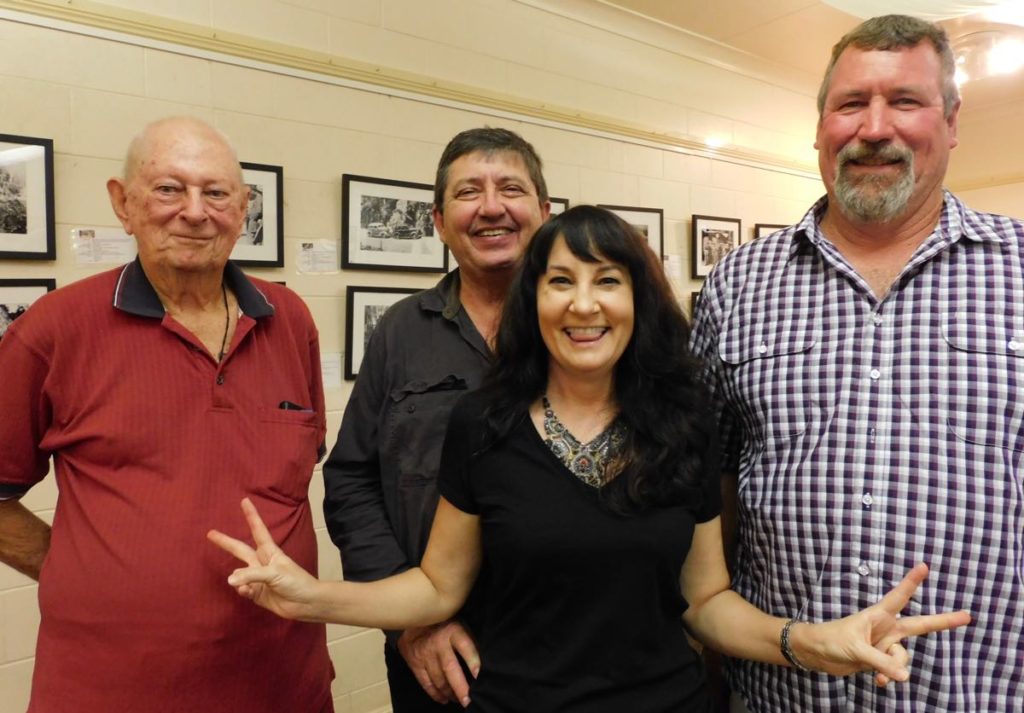
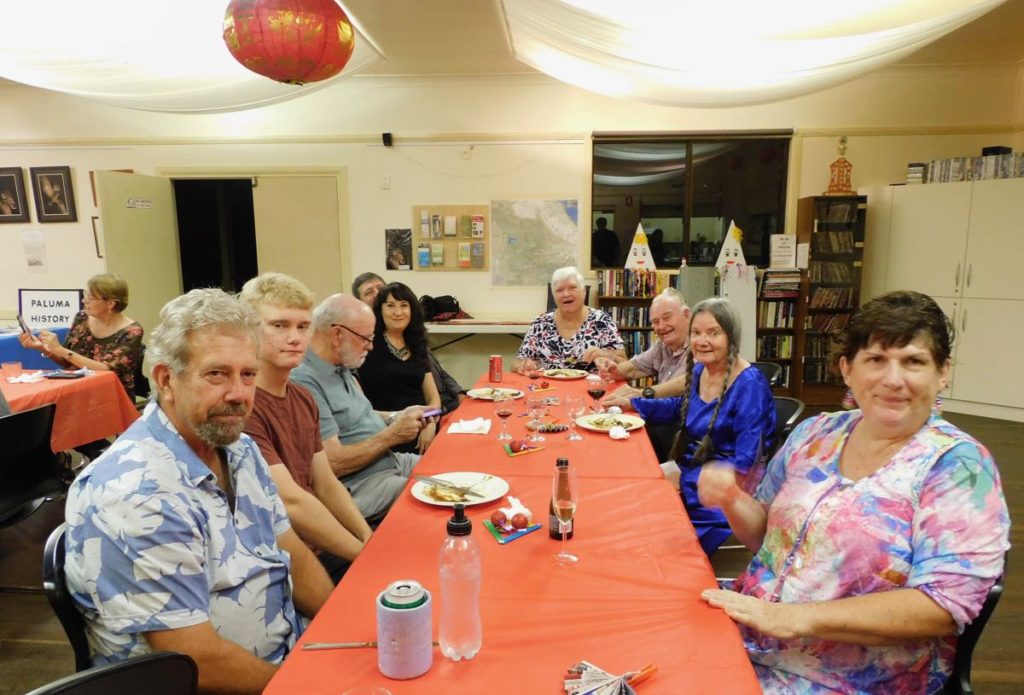
Last Saturday night (11/09) Paluma slipped back a few decades to celebrate the 1970’s. There were flowers everywhere and the dance music reverberated from the Community Hall as a group of about 18 villagers dined, sang, danced and laughed the night away until the wee hours.

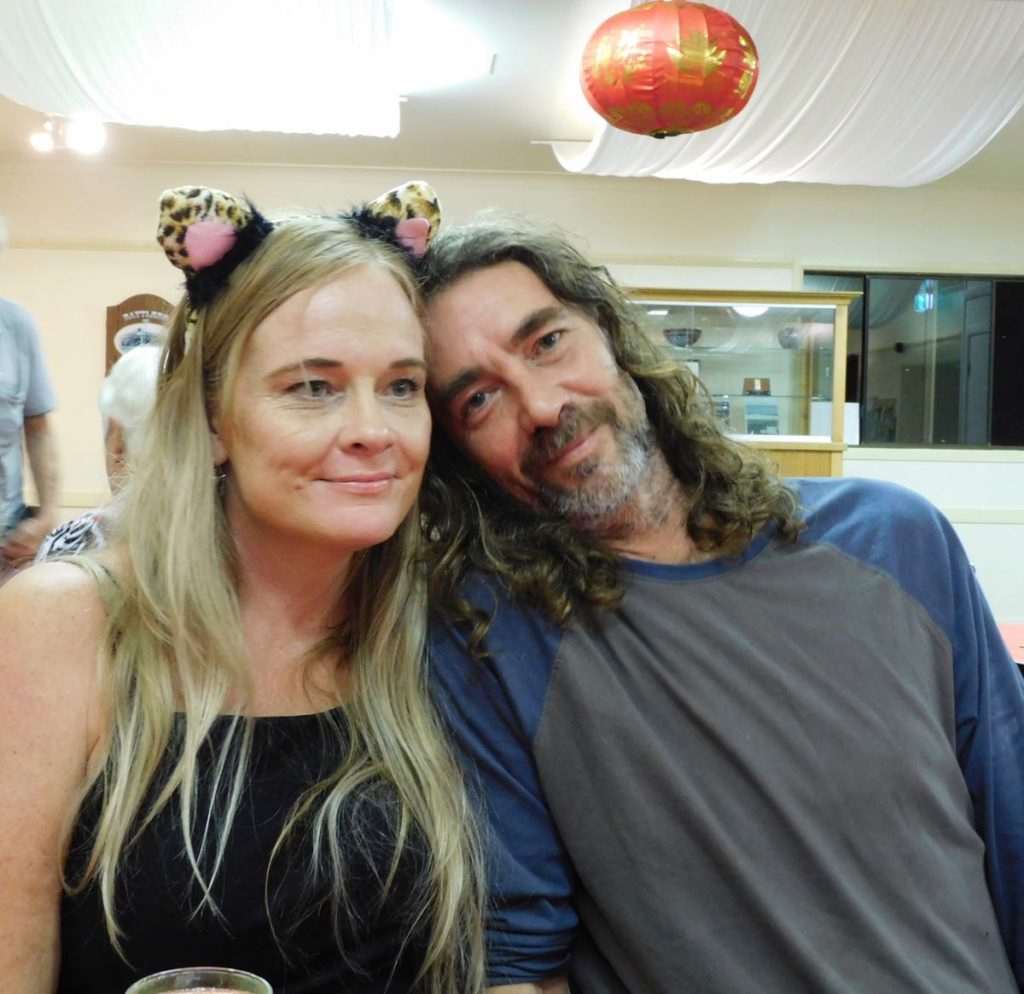
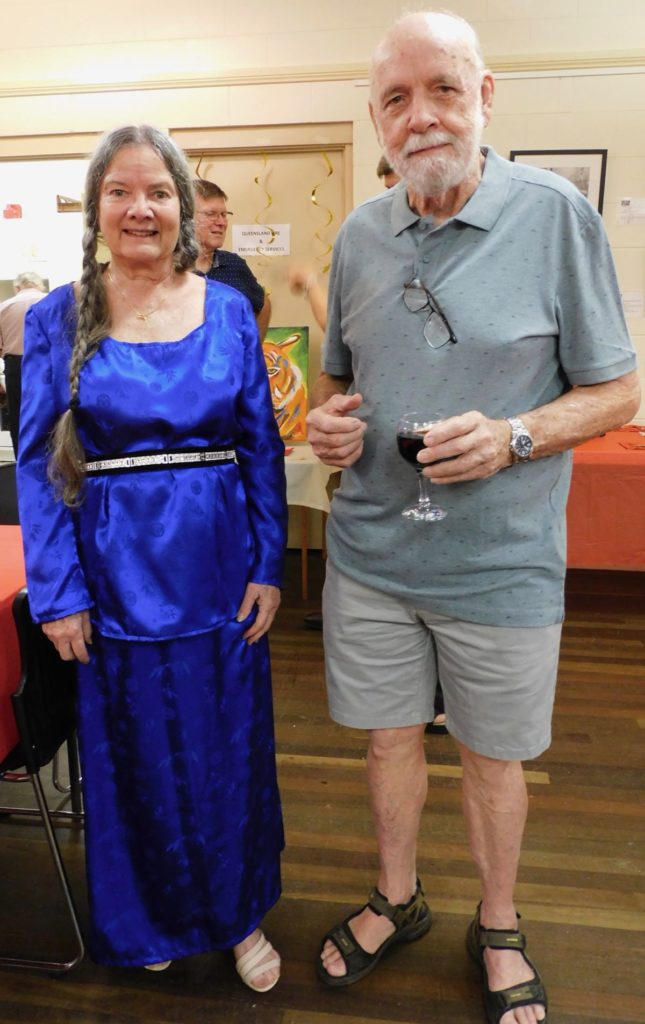
The music might have been loud, but it wasn’t as loud as the outfits of some of the attendees. The colours of the rainbow were on show and the Community Hall was a sea of purple, pink, orange, yellow and some seriously psychedelic styles. Some of the really cool people wore their sunglasses all night and others donned flowers in their hair. Speaking of hair, it was everywhere. Danno rocked a ‘Fro’ and Neil and Jennie let their hair down….literally. Very groovy!

The new meeting room at the Hall was re-purposed and transformed into a disco, complete with dance floor, spinning mirror ball and music box. There certainly were some interesting dance moves from the patrons, but none were lacking in enthusiasm. Rumours abounded that Ross NEVER dances, but on the contrary…..just like Mick Jagger and the Rolling Stones, once you start him up, he never stops!

Barman Les worked a marathon five hours serving beverages from 6.30 pm to nearly midnight. The Bar did a roaring trade. The last of the dancers left the Hall in the wee hours to boogie their way home along Mount Spec Road.

Special thanks to Lynda, Jan and Peter for decorating the Hall in the Flower Power theme. Lynda went the extra mile for the community and deserves our utmost appreciation. Les and Lynn were steadfast as always in making sure everyone was welcome and had a great time. I reckon Barman Les might have needed a sleep-in on Sunday morning after working so hard!

The quality of the singing and dancing might have been questionable at times (yes Michele!), but the only prerequisite for the night was to have fun and enjoy the community spirit and the company of good friends and neighbours. That was achieved in spades!

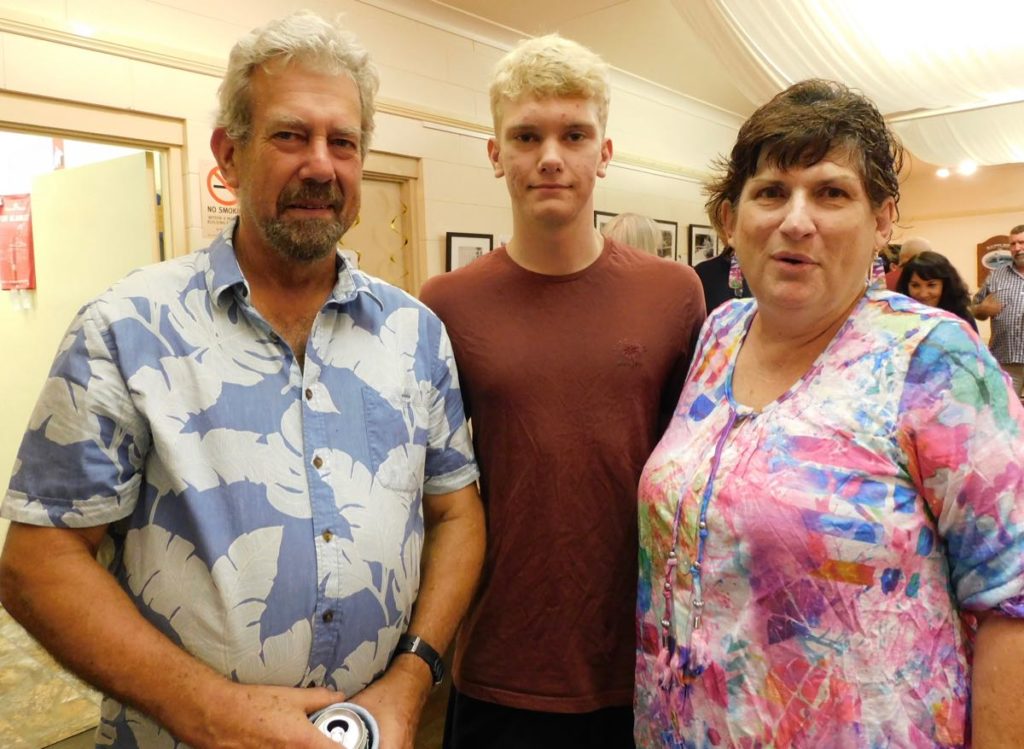
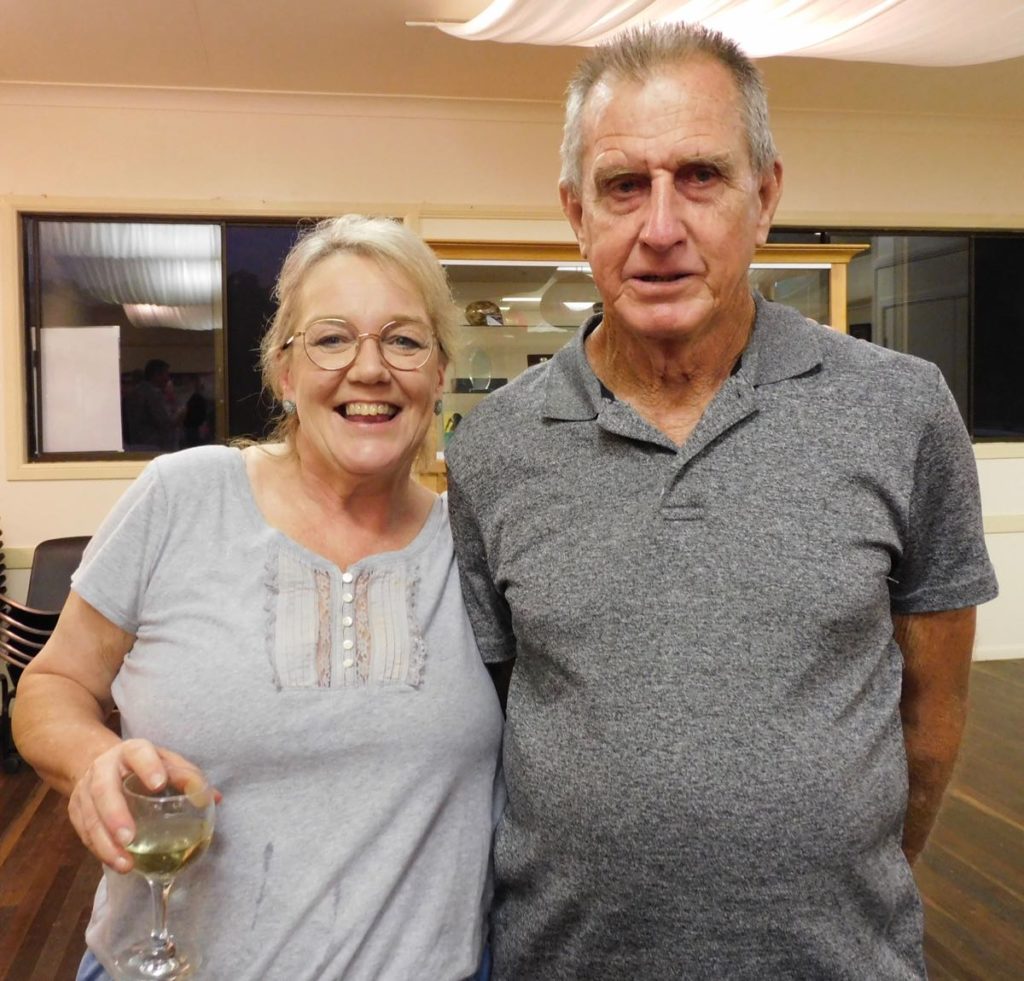
Text by Michele Bird. Photos by Peter Cooke, Michele Bird & Jennie Robinson.

It’s Still Raining at Paluma

Just a point of clarification on my last post (of 1 September) referring to the Paluma rain gauge overflowing with a recording of 25.4 mm. Judging from some of the feedback I received, I think I may have created some confusion?! 

The Paluma rain gauge consists of two main receptacles for collecting rainfall. The inner-most receptacle can collect just over 20 mm of rainfall. This container has a detailed ruler for measuring the amount of rain collected. The recent excitement amongst some of us was because this internal receptacle reached capacity for the first time since the new rain gauge became operational in early August 2021.

The inner container sits in a much larger water-tight steel container. This secondary container can collect several hundred millimetres of rainfall. The new rain gauge has the capacity to collect large amounts of rain and it will be able to capture every drop of those wet season deluges that Paluma is so famous for. Indeed, if the large outer steel receptacle ever looks like overflowing, then we will all need to head for the Ark!

I have previously mentioned the great work done by Wilfred to stabilise and protect the rain gauge on the Village Green. Just last week, Barry created a rather ingenious water tight plastic container (from large polypipe) to store the BOM rainfall data sheet. Great innovation and an ongoing collective community effort in recording Paluma’s rainfall record.

And the good news. A total of 1.2 mm of rain was recorded last Saturday and 4.2 mm recorded on Sunday (4 and 5 September 2021).

Wilfred’s paving and fencing work to protect our rain gauge.
Barry’s water tight container for the rainfall recording sheet.

Article & Photos by Michele Bird

Attention Paluma Ratepayers

Notice to all Paluma Ratepayers

You are invited to attend a public meeting on Saturday the 18th September at 10 am at the Paluma Community Hall. The meeting is being held to discuss the proposal to ‘not raise the fire levy’ for the 2021-2022 Financial Year.

Regards

Ross Hyne, 1st Officer Paluma Rural Fire Brigade

If there are any queries in the lead up to the meeting, please contact:-

Sonya Bryce, Secretary/Treasurer Paluma Rural Fire Brigade 

Mobile:- 0474 324 153

Paluma’s New Rain Gauge Overflows……

Barry Smith, our dedicated weekday rainfall recorder at Paluma has reported some very exciting news on this the first day of spring.

Today was the first day the new rain gauge at the Village Green overflowed!  

Barry reports that the glass beaker in the rain gauge holds 20 mm of rain before it then overflows into the larger stainless steel chamber. So, the rainfall reading for the past 24 hours at Paluma Village is 25.4 mm.

The BOM is predicting higher than average rainfall this spring, so here’s hoping for some more overflows in the coming weeks and months!

Thanks to Barry for his diligence in recording our rainfall and reporting this welcome news for us gardeners.

Whilst on the topic of the Paluma rain gauge, I believe special thanks are due to Wilfred for the new fencing and the very flash paving now installed around the rain gauge. This will ensure the gauge is stable and protected from mowing and maintenance works at the Village Green and other interference.

Great job Wilfred and much appreciated. I must add that the fence height is just perfect – I am glad you took into account that some of us are vertically challenged!

Article by Michele Bird with information provided by Barry Smith

Reminder: Back to the 70’s Social, Saturday 11 September

Spring has almost sprung and Saturday Night Fever is coming to the village on 11th September at 6.30 pm at the Community Hall.

Whether you’re a mother or whether you’re a brother, get down and boogie with your friends and neighbours as we go back in time to the 1970’s.

Come as you are, or come in your favourite 70’s themed costume. Grow your moustache, find your flares or flaunt your flower-power. Be a disco diva or a Dylan devotee – everyone is welcome.

The Bar will be open for drinks and please bring a dish to share – hot or cold, sweet or savoury.

The love, peace and joy will flow from the Community Hall with a free drink for the best dressed male and female.

See you there groovers!

Rainforest Tree of the Month, August 2021 – Yellowheart

Although it is neither common nor prominent among the trees along the H-track, the yellowheart (Fagraea fagraeacea) is both unmistakeble and unforgettable once it starts dropping its ripe fruit.

The yellowheart grows as a shrub to small tree (5-20m) and is endemic to higher altitude (300-1250m) rainforests in NE Queensland. As a tree it has flakey to fibrous bark with a yellowish inner bark when exposed by a blaze.

The leaves are elliptical to ovate and 5-10cm long. The flowers are cream coloured and can be highly perfumed.

The genus Fagraea includes about 60 species in the Family Gentianaceae. Although there are no readily accessible (i.e. Googleable) details on any human use for this species, the yellowheart was once considered to be a part of a single, variable species (F. gracilipes) which occurs in New Guinea, the Solomon Islands and Fiji. F. gracilipes is known to produce durable, workable wood that has been used for canoes, posts and housing. The latex sap from this and several other members of the genus is used as an adhesive.

There is a solitary small tree on the H-track about 100m before the main creek crossing (walking from Lennox Cr) that, for several years, has dropped its brilliant lipstick pink fruit onto the track around August to October. It is just beginning to develop its fruit now, so be on the lookout next time you are on the Track.

Despite its striking assets (brilliantly coloured fruit and perfumed flowers and a manageable size) yellowheart is not commonly cultivated. I have twice gathered the fruit and planted them into pots to germinate so that I could add this lovely small tree to my garden but have had no success so far.

Text and photos (unless indicated) by Jamie Oliver
Paluma History Stories … John Chick

The following account was recently received (via Charlie Allen) from John Chick, an early resident of Paluma and one of a pioneering family that includes his brother Dave Chick, who lives on the eponymously named Chick’s road. Its great to receive these early accounts and the editors of the Paluma.org website warmly welcome this contribution and would love to receive others from people who were (or were related to) are first residents in the village. These stories are also published in our History section of the website.


My Early Memories of Paluma

by John Chick, August 2021

My early days at Paluma started around 1950 as I can recall. My parents Frank and Fran Chick along with my grandparents Jim and Marynne Chick took up a small heavily vegetated jungle block in what is now known as Whalley Crescent. At the time of the selection there was no road access to the property and everything that was needed to carry out the clearing etc had to be carried in by hand from Mt Spec Road at a point which is now the old Police Station block. It took four adults to carry our wood stove up this narrow track whilst avoiding the wait-a-while. As I was only six years old at the time I could not do much but pick up sticks and other small jobs at the direction of my grandparents.

The clearing was a big job and as we did not own a chain saw everything was done by an axe, a long scrub hook and some great fires. The property adjoined an existing block that had a modern brick home on it built by the Kiery family who had owned a Butcher shop on the western end of Flinders Street in Townsville. The property had a beautifully hand crafted aviary just inside their fence line with a large carved log as a viewing bench. The timber for the aviary had been hand shaped with an Adze as was the frame for a gate on the boundary fence adjacent to the cage. Of interest was the fact that the lower hinged end of the gate had been tapered and rested in the dimple of an upside wine bottle set in the ground as a lower hinge.       

During the second world war this property was seconded by the US army and used as accommodation for its higher ranks. They must have had some great parties at this place judging be the amount of alcohol bottles, both whole and broken were all hurled over the fence into our block. My Grandmother spent many long weekends picking up very last slither of glass up.

We usually arrived at Paluma on Friday evening and after a big weekend of work would depart mid afternoon on Sunday. One of the most memorable events of the clearing procedure was the eventual removal of a very big tree situated pretty much central in the block. We had been applying fire to the base of this tree for many weekends with timber acquired from the rest of the clearing effort. Then came the Sunday when we were sure that the monster would finally fall on that day, however time ran out on us and we were having to leave for Townsville.

As was the usual, before departing we would visit Jimmy Linton’s shop where dad and grandad would have a couple of quick drinks with Jim and his wife Win. And then it happened; and we missed it; the sound of our nemesis crashing to the ground in the distance was fantastic but it was a shame to have missed the fall after all of the work that went into getting rid of it.

As most will know, you just don’t realise how much wood is in a tree until it hits the ground and you have to dispose of it. My grandmother took to this tree with the same gusto that removed the glass but it did take several months of weekends. Many years later I saw her deal out the same treatment to a very large Tamarind tree that stood in our Queens Rd back yard.

Our weekend accommodation on the mountain was at what was then called the Main Roads huts on the original road down to McClellands Lookout. They were big open plan units with a great fireplace. We had plenty of firewood. 

A little further down this road and set back on the northern side was a small building about the size of a large outhouse. This area now appears to be a subdivision. I think this building was originally a munitions store for the US army and then used by Main Roads as an explosives store. The rainforest around and in behind this store was strewn with live ammunition such as 45cal pistol bullets and the common .303 rounds. The yanks did not clean up very well when they left.

The Americans had quite a presence at Paluma with the construction of a couple of radar installations in concrete igloos which have since become homes and water tanks for the town’s supply. When I first saw these igloos, some of the camouflage was still intact and the bats had taken over.

My favourite US leftover was a beautiful big log cabin which was constructed almost opposite the entrance to our block of land. The cabin was quite large with a high pitched roof and open plan design. Each log in the construction was over one foot in diameter.  There was a large stone pitched fireplace on the left hand wall with a set of nice glass windows opposite. There was a heavy timber double door entrance and a smaller door at the rear. Straight out of an American movie.

I have fond memories of some of the old characters who had lived on the mountain for many years.

Jim Linton operated the local store which was an old US demountable with low push out panels as windows. It was always very dark in there and on the counter he had a stuffed Quoll on the counter and on the wall was an arrangement of native spears and a couple of boomerangs and a woomera, all collected in the locality.

Mrs Linton operated the local telephone exchange and post office in the back of this building. It just seemed a tangle of wires and plugs to me at the time.

Jim did a lot of tin prospecting throughout the area and I spent many hours wandering up and down local streams with him. The spot that I remember mostly was a little down the track that starts from the igloos and goes down the Blue Gum creek. There was a small creek off to the right of this track where we sluiced for tin and it was quite plentiful. Later on there was a vertical shaft sunk in the middle of this track adjacent to the sluicing point. The doorstops in Jim’s home consisted of two pound milk tins full of alluvial tin. Jim was also responsible for pumping the town water up from the creek behind the village to tanks situated at Lennox Crescent. I went with Jim on several occasions and it was quite an experience to see him fire up that old ancient diesel engine.

The scary man in the bark hut in the clearing. The story of Arthur (Possum) Benham is well known by locals and historians alike. To us young ones at the time, he was a scary man living alone in a very old style in the bush. Whilst we saw Arthur at a distance on many occasions I sometimes regret that I never got to speak to him. His tin workings in the clearing were quite extensive with the water collection channels commencing up near the road and going down to the extensive gullies that he had excavated. The lower end of the excavations drained into a small creek running parallel to the road and we caught many Yabbies in this creek. On the banks above the diggings were several grape vines of the green variety however they were never very productive.

At the head of Benham’s channels up by the road on the right hand side of the entrance to the clearing was the original Paluma school and the teacher was a miss Little whose parents owned the guest house at that stage.

Another local character was Tommy Nutt who owned a small home about opposite the entrance to Benham’s clearing. Tommy had a great collection of minerals and other artifacts from the surrounding area. Tommy’s income was generated by meeting the tourist bus when it arrived several times a week and taking tourists on walks on the local tracks. I was asked on one occasion myself to take a sound recordist from down south out early one morning to record the morning bird chorus as recordings were needed for the burgeoning film industry.

The Smith family lived in the last house on the right on the way out of Paluma towards Running River. They were relatively old when I met them and my brother and I mixed with their sons around the village. One son Russell lived out at the valley for some years and Trevor is now down at Eungella as part of Smith’s Sawmill. The family had been involved in the forestry all of their lives and at one stage also ran some cattle. Another brother I believe is up in the Gulf somewhere.

Paluma had a lot of visitors in those early days and the guest house was always busy. The guest house was owned by Mr and Mrs Bill Little and boasted  the biggest combustion stove in the region. Old movies were regularly shown there on Saturday nights. Later on the guest house became a holiday resort for an order of religious nuns from Townsville.

A major milestone for Paluma was the clearing of the land for the creation of a park and the construction of the first community hall which was built with local logs. I recall the Saturday morning that the bull dozer arrived  and the felling of the first trees began. A lot of locals assisted with this operation and also the reestablishment of the swimming pool originally constructed by the US army. I had previously walked down this creek from Benham’s end with Jim Linton prospecting for tin. At that time the metal gate at the bottom of the dam was open and the creek flowed through. For some years there was a fish around a metre long living in the pool; this looked like a Queensland Lungfish and no one seemed to know where it came from. Many great bush dances were held in the hall over the years and on one occasion I played the drums there.

As time went by, our little house was completed. Dad had pre-cut all of the frames in Townsville and then transported them to Paluma for assembly. During the week, we also made bricks in Townsville and carted them up in our Vanguard Spacemaster ute. I remember that with all of the other equipment our poor utility could only carry fifty two bricks at a time. When I was young I bought two pine tree seedlings from Magnetic Island and planted one on each side of the gate at the entrance to the property. When I was at Paluma a couple of years ago I noted that in spite of their unfamiliar environment they were now fifty or sixty feet tall but struggling.  They did make great Christmas trees for us in the early days.

Power was connected to Paluma around 1969 / 70 and our farther Frank who was an electrician wired all of the homes in the village with the assistance of my brother David who had the task of pulling the wires through the ceilings.  

I wonder how many Opossums and Pythons they encountered?.

The little house in Paluma was sold for $30,000 in January 1982 following the previous purchase of forty acres at Blackfriers for development. This block was purchased from Jimmy Heath who was a vegetable grower in the area. The property is on Chicks Road and is now operated as a tree plantation by David and Sharon Chick.