Kelvin John “Kelly” Davis 6 May 1945 to 5 June 2020
It is with sorrow that we report the passing of long time Paluma resident, Kelly Davis. He died on 5th June after battling an aggressive illness.
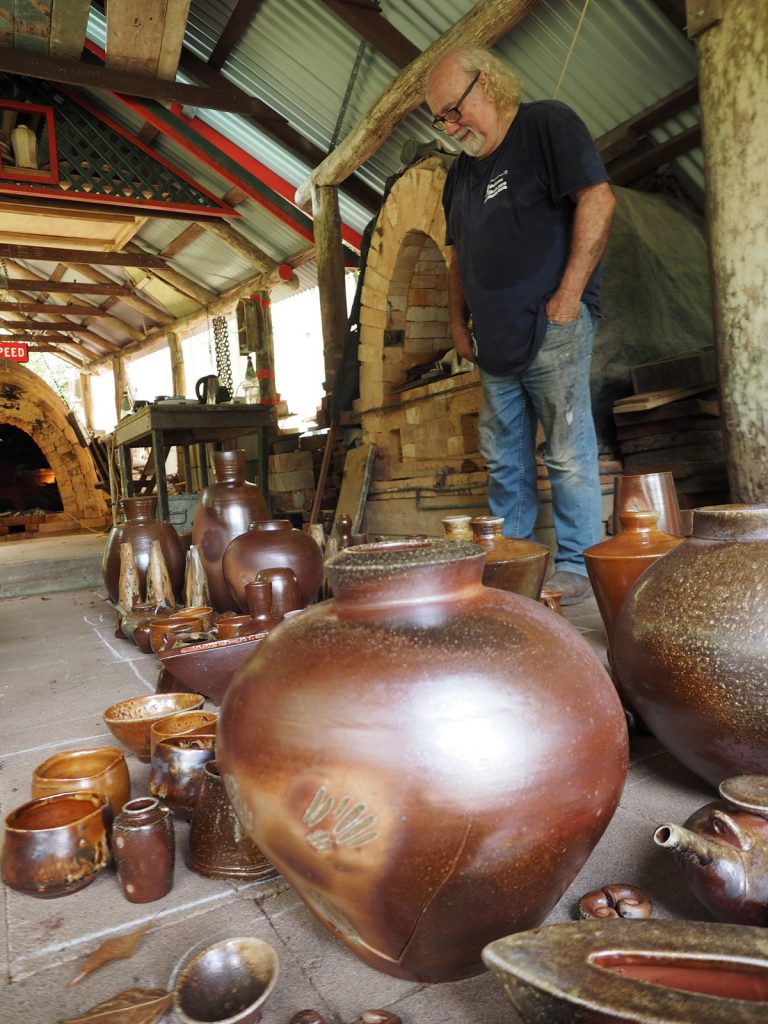
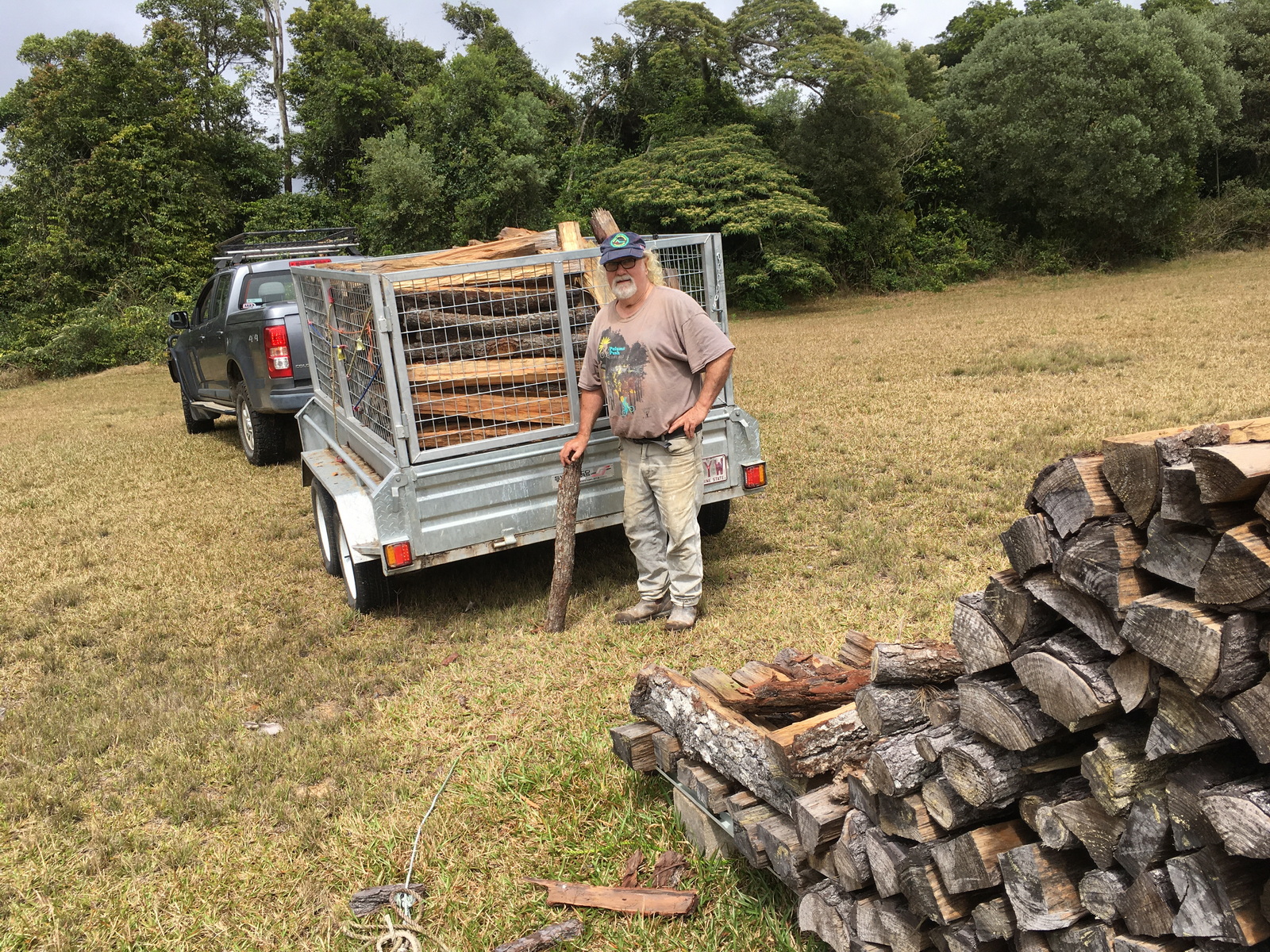
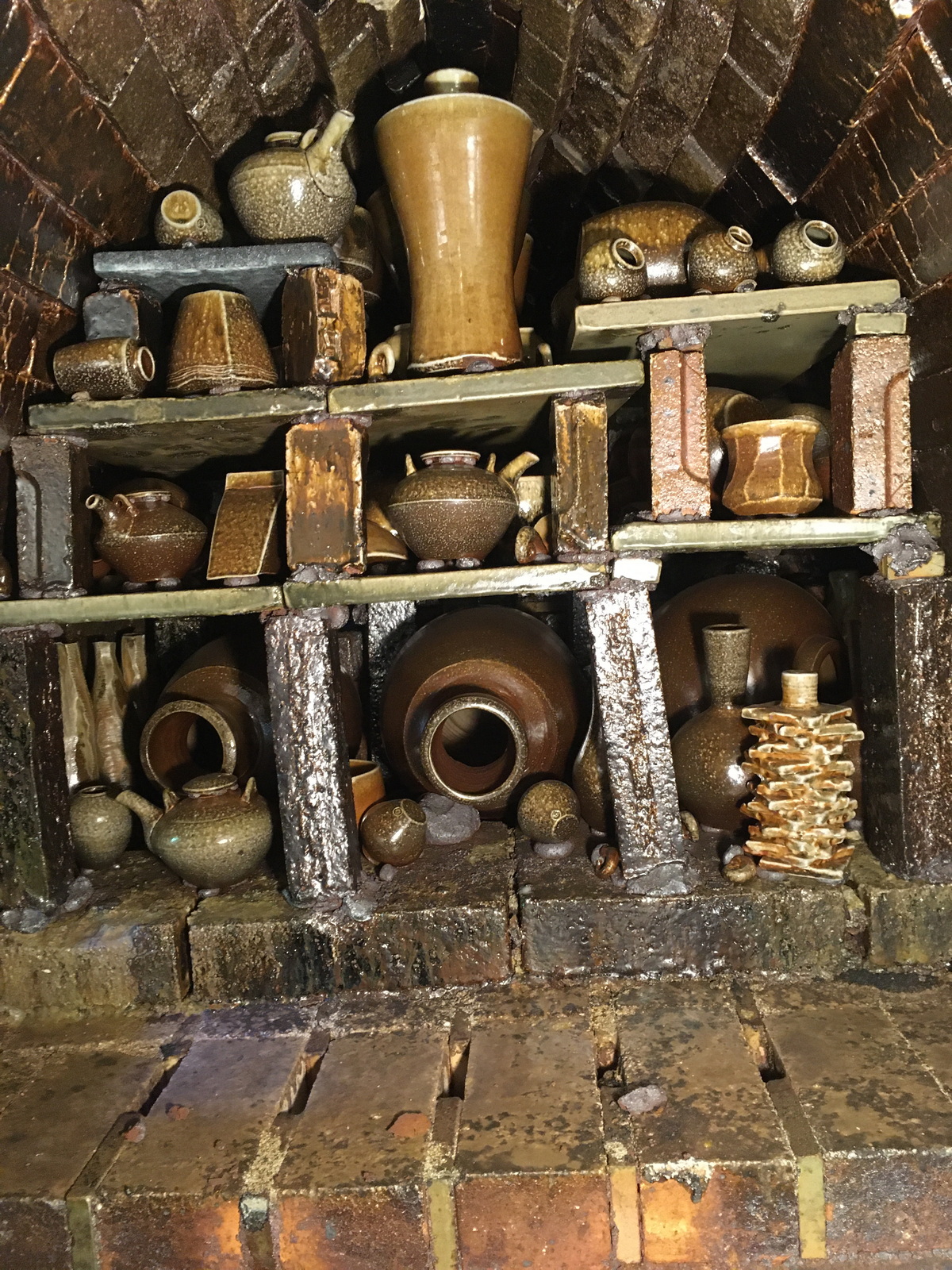
Kelly was an active member of the Paluma community, generous with his help and expertise in many areas, from repairing a broken rocking chair to building a veranda, clearing fallen trees and debris from properties after cyclone damage, to helping dig a garden bed. He was tireless in his assistance to Len at the annual Anagama kiln firing: cutting and stacking timber for the fire and helping to monitor the kiln temperature for the four or five days of the operation. In everything he did, Kelly was attentive and thorough. There are very few gardens that do not have bulbs donated from Kelly’s garden and many of us benefitted from the produce from his very successful fruit and vegetable plots.
Before coming to Paluma Kelly had lived in Mount Isa where he was employed by Mt Isa Mines and worked as a powder monkey, deep underground. He and his family moved to Forest Beach where Kelly worked on line maintenance for Victoria Sugar Mill in Ingham.
Kelly came to Paluma in 1987, where with his then wife Carol, he owned and operated the very popular Ivy Cottage tea room. The business was sold in 1989 to Ann and Andy Bishop. Kelly worked in a variety of roles for Townsville City Council and then for National Parks until his retirement.
Retirement did not slow him down however: he just spent more time helping people with various projects, and indulging in his passions for gardening, traveling, wood-turning, (many will have seen his beautiful wooden bowls), and fossicking. Kelly also had an interest in quality wines and over the years built quite a collection, stored in the cellar he built beneath his house.
Kelly was a keen traveller, always interested in other countries and other cultures and learning about their history. As well as travelling extensively within Australia, his many travels included voyages to Antarctica and the Arctic Circle, Europe, USA, the Scandinavian countries and most recently France, in late 2019.
The Paluma community will greatly miss Kelly. Our condolences go to Kelly’s family and to Elizabeth and Marilyn in the loss of a person so dear to them all.
Vines (as well as woody lianas) are a common and defining feature of tropical rainforests. Because they rely on rapid overgrowth of other plants for support, they are most frequently found in disturbed areas where there is ample light for rapid growth.
Vines and climbers share a growth form but (like animals that swim or fly) belong to many different and unrelated groups. They use a variety of methods to grow up from the forest floor and into the light near the canopy without having to invest in growing their own heavy and rigid trunks. Some climbers use thorns that catch on to adjacent leaves and branches, others use tendrils to clasp or twine around other plants, and others use modified roots to cling on to tree trunks.
1. Climbing Pandan (Freycinetia excelsa)
The climbing pandan is a very common leafy climber found growing up trees in the rainforest and is easy to see along Paluma walking tracks. It is related to the large Pandanus palm-like trees seen in open forests along the coast. Leaves are narrow and pointed with fine teeth along the margin near the base. Some stems can also be found growing along the ground near the base of their host tree.
Fruit are rarely seen but are red to orange elongate clusters of seeds. Flowers are surrounded by orange leaf-like bracts.
A second species of Freycinetia (F. scandens) also occurs around Paluma. It can be distinguished by its much broader leaves, which have a more uniform length.
2. Pothos or Candle Vine (Pothos longipes)
Pothos is another very common climbing plant found growing up tree trunks along the village tracks. The distinctive leaves provide the inspiration for its other common name – candle vine. The leaves have a constriction near the apex, with the remaining apical leaf portion shaped a bit like a flame. No other climber has this leaf shape. Pothos are another very common climbing plant found growing up tree trunks along the village tracks.
The leaves get progressively bigger as plant grows and change from upright and pressed against the tree trunk to long pendulous and downward-pointing. Larger stems can also be found growing along the ground near the bases of trees.
3. Yellow Lawyer Cane (Calamus moti)
This is one of a group of climbing palms variously referred to as Lawyer Vine, Wait-a-while, or rattan. They are most frequently found in forest openings and gaps caused by fallen trees or cyclones.
Several species of lawyer vine or wait-awhile can be found around Paluma. The most readily identified is the Yellow Lawyer Cane with its distinctive, robust, yellowish spines arranged in diagonal spiral rows along the cane stems below the leaves. The canes are often noticeably thicker than in other species.
The other common species along the tracks is the Hairy Mary (Calamus australis), which has finer brown spines and a frond with broader leaflets.
Hairy Mary (Calamus australis
All species have palm-like leaves and spines growing from a sheath that covers the stem (cane). They also all have tendrils with vicious hooks emerging from the leaf bases. These tendrils hook on to adjacent trees which provide the support needed to climb up to the forest canopy. In older plants the lower part of the cane loses its leaves and spines and becomes a tangle of smooth flexible canes winding along the ground and up into the trees. In this form they clearly reveal rattan cane – the material that is widely used to make cane furniture.
4. White Supple Jack (Ripogonum album)
While this common vine has large bright green leaves, it is most easily identified by the leafless matt-green stems with irregular curved green spines that wind their way through the foliage at eye-level. The stems can be up to 3cm in diameter.
They are more common in areas that have been opened up to the light by a tree fall or along the margins of the rainforest around the village where there is ample light. There are some good examples of this vine along Lennox Crescent opposite the Paluma Pottery, and around the edge of the adjacent car park. Ripogonum has small white flowers and globular red fruit.
5. Atherton Raspberry (Rubus probus)
Atherton Raspberry fruit
This rambling climber favours open areas and can be found in rainforest openings and at the start of the H-track on Whalley Crescent. There is another patch on the other side of the H-Track near the old fenced-off miner’s test pit and viewpoint over the adjacent creek. It usually grows no more than a few metres high and tends to lean over adjacent plants rather than growing up tree trunks towards the canopy.
R. probus has compound ovate leaves with 5-9 leaflets and the stems have widely-spaced fine thorns that are exceedingly sharp. The fruit looks like a small commercial raspberry.
There are 3 other species of native raspberry which can occur around Paluma and one of these (R. queenslandicus) is very similar, with slightly narrower and more pointed leaves. Based on leaf width, most of the raspberry patches around the village appear to be R. probus, but it’s possible that some are R. queenslandicus. To be perfectly safe when casually encountering a raspberry around Paluma you can have a bet each way and refer to it as Rubus probus/queenslandica. The fruit of both species is edible
A recent discussion with friends about a very large tree in their garden which was to have a limb lopped off, has prompted me to feature the species Flindersia as Rainforest Tree of the Month. The limb of the tree in question hung dangerously over the roof of their house. My friends understood this tree to be Australian Teak, Flindersia australis, but I questioned this as it did not quite match the characteristics of Flindersia australis.
The seed capsule collected from my friends’ tree, was still green and had a bumpy surface rather than the characteristic spiny surfaced, five valved seed capsules of the Flindersia australis. Nor did the leaflets of the compound leaves, being slightly curved, match the elliptic shape of those of Flindersiaaustralis. The distribution of this tree is in rainforest from near Proserpine to northern NSW, at altitudes up to 750 metres. So, I feel that more likely candidates for my friends’ tree would be Flindersia acuminata, Flindersiabrayleana, Flindersia bourjotiana or Flindersia pimenteliana, all of which are endemic to Paluma.
There are seventeen species of Flindersia world-wide; growing in New Caledonia, New Guinea, Malesia and Australia. Fifteen species are endemic to Australia. The species is named after Matthew Flinders (1774-1814), the renowned navigator and cartographer who led the voyage of ‘The Investigator’ on which the British botanist, Robert Brown, collected many Australian plants. Flindersias are members of the Rutaceae family.
Flindersia australis, also known as Teak, Australian Teak and Crows Ash,can grow to a height of 40 metres on rich, volcanic rainforest soil. It is somewhat smaller elsewhere. Sprays of tiny white flowers appear from August to February with the spiny seed capsules forming from March to January. Unlike most other Flindersia species, these segments do not separate into individual portions. The 35-50mm seeds are flattish and winged at the apex. The timber is in demand for general building, flooring and fencing. It has a high oil content and is readily flammable.
Seed Capsule of Flindersia australis
Flindersia pimenteliana is also known as Maple Silkwood, Rose Silkwood and Mountain Silkwood. This majestic tree grows to 30 metres high and may be buttressed. It occurs from Mt Finnegan near Cooktown to Paluma and also is found in New Guinea. The leaves, like other Flindersias, are compound but the leaflets taper to a narrow point. The flowers are similar in size to the inflorescence of the other Flindersia species but are red to purple. They appear from November to March and are difficult to see high in the canopy. The fruiting capsule, 55 – 115 mm long, is green to brown with five spiny valves. These split and release about 20 flat, winged seeds about 45-50mm long, from July to December.
Flindersia pimenteliana seed capsules
Sulphur-crested cockatoos eat the seeds.
The timber of this tree was once used to make barrels and very decorative cabinet timber. Although young plants grow readily, they are not an economic tree to grow in plantations due to their spreading structure. Leaf material has been found to be active against some tumours.
There are several fine examples of Flindersia pimenteliana to be seen around the village. The easiest to find is in the stand of trees in the area between the tree ferns and the road cutting opposite the Rainforest Inn, (the kitchen end near the entrance to the motel units). Some still attached, green seed capsules hang just above eye level. Other trees can be seen at the end of Smith Crescent, at Number 20 and at the fence-line between Numbers 15 and 17 Mount Spec Road.
Flindersia schottiana is another tree which could possibly be found in the Paluma area as its distribution range is from Cape York to Port Macquarie at altitudes up to 1300 metres. This tree is also known as Silver Ash, Bumpy Ash, Floppy-leaf Ash and Cudgerie. A majestic tree, growing to 45 metres, it is rarely buttressed. The trunk features large bumps where old branches have been detached, hence its common name, Bumpy Ash. The tree has compound leaves with 7 to 9 leaflets, 50 to 260mm long. The upper-side of the leaves is mildly hairy with dense, fine hairs on the under-side. The tiny white or cream flowers are fragrant, appearing from August to December and in May. The five-valved fruit capsules are spiny, 80-130mm and release about 30 flat winged seeds from December to April. Flindersia schottiana is a pioneer tree, often found in regrowth areas and rainforest margins.
Flindersia acuminata, also known as Silver Maple, Silver Silkwood, White Silkwood and Ice-wood, occurs at altitudes up to 1200 metres in rainforests between the Windsor Tableland and Paluma. The tree can grow to a height of 40 metres and may be buttressed. The elliptic leaflets of the compound leaves are from 50 to 150 mm long, slightly curved, and tapering to a point. Fragrant white or cream flowers grow in terminal or axillary panicles from November to January. They are tiny, with five petals and are only about 3 mm in size. The fruit capsules, appearing from June to March are green to brown, 90 to 150 mm long and have five spiny valves which split to release flat, papery winged seeds, 65 to 80 mm.
Flindersia bourjotiana, also known as Queensland Silver Ash, Silver Ash and White Ash. The distribution of this tree is in rainforests from McIvor River near Cooktown to the Paluma Range at altitudes up to 1200 metres. The tree grows to about 35 metres and may be buttressed. The leaves are compound, with 3 to 9 elliptic leaflets, from 50 to 190 mm long. The underside of leaves can be slightly hairy. The tiny, (5-9mm), fragrant flowers can be white, cream or green and grow in terminal or axillary panicles, or sprays. Flowering occurs between April and January. Fruit capsules can be up to 150 mm long with five spiny valves which split to release several flat, winged seeds, 30-70 mm long. Sulphur-crested cockatoos and giant white-tailed rats eat the seeds.
Flindersia brayleana, is also known as Queensland Maple, Maple Silkwood and Red Beech. A tree growing to 35 metres, its distribution is from the Windsor Table-land to Mount Halifax near Townsville, at altitudes up to 1150 metres. The compound leaves have slightly curved leaflets, tending toward an ovate/elliptic shape and ranging from 60 to 210 mm in length. Tiny fragrant white flowers with five petals 3mm in size grow in terminal or axillary panicles from November to January. They are difficult to see high in the canopy. The fruit capsules, are 60 to 100 mm long, and have bumps rather than spines on the surface. They split into five valves, or segments, and release several winged seeds. Flindersia brayleana was once a common tree in rich, red, volcanic soils on the Table-land and on Mount Spec however, high demand for its exceptionally beautiful pink timber has caused it to become scarce. During World War 2, the timber was sought for use in aircraft production, such as in the manufacture of propellers and for ply-wood used in the Mosquito bomber aircraft. The timber was also used in rifle stocks and for beautiful decorated stocks in sporting rifles and shotguns. Boxes, barrels and window frames were also made from this timber. The timber can cause dermatitis.
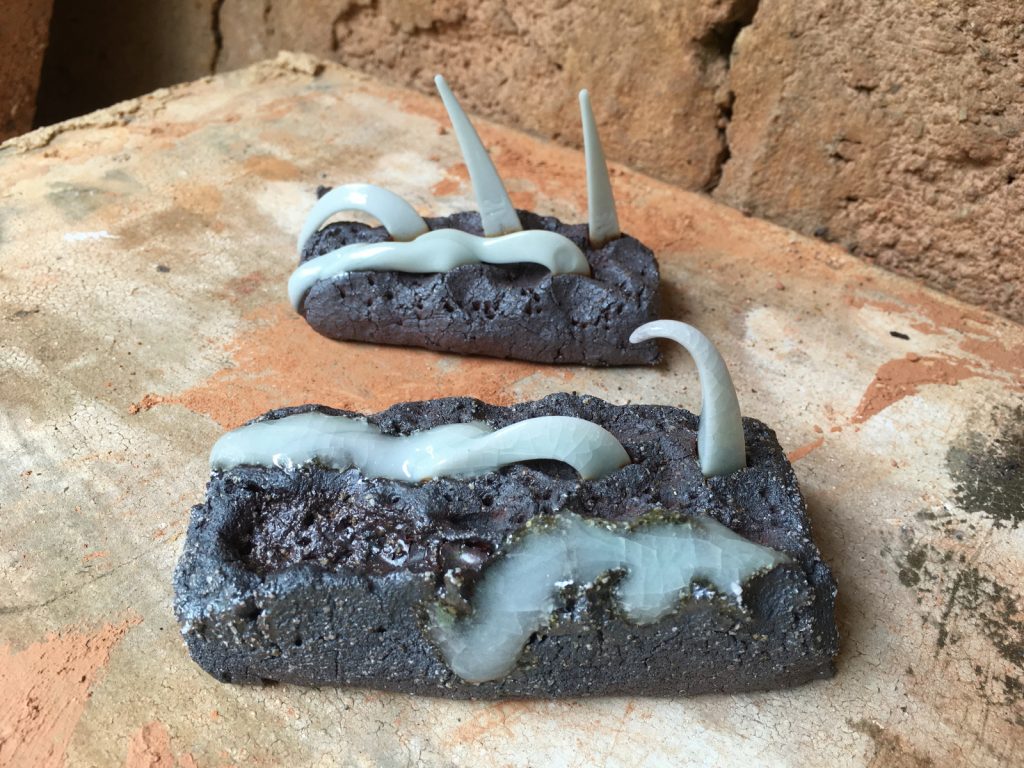
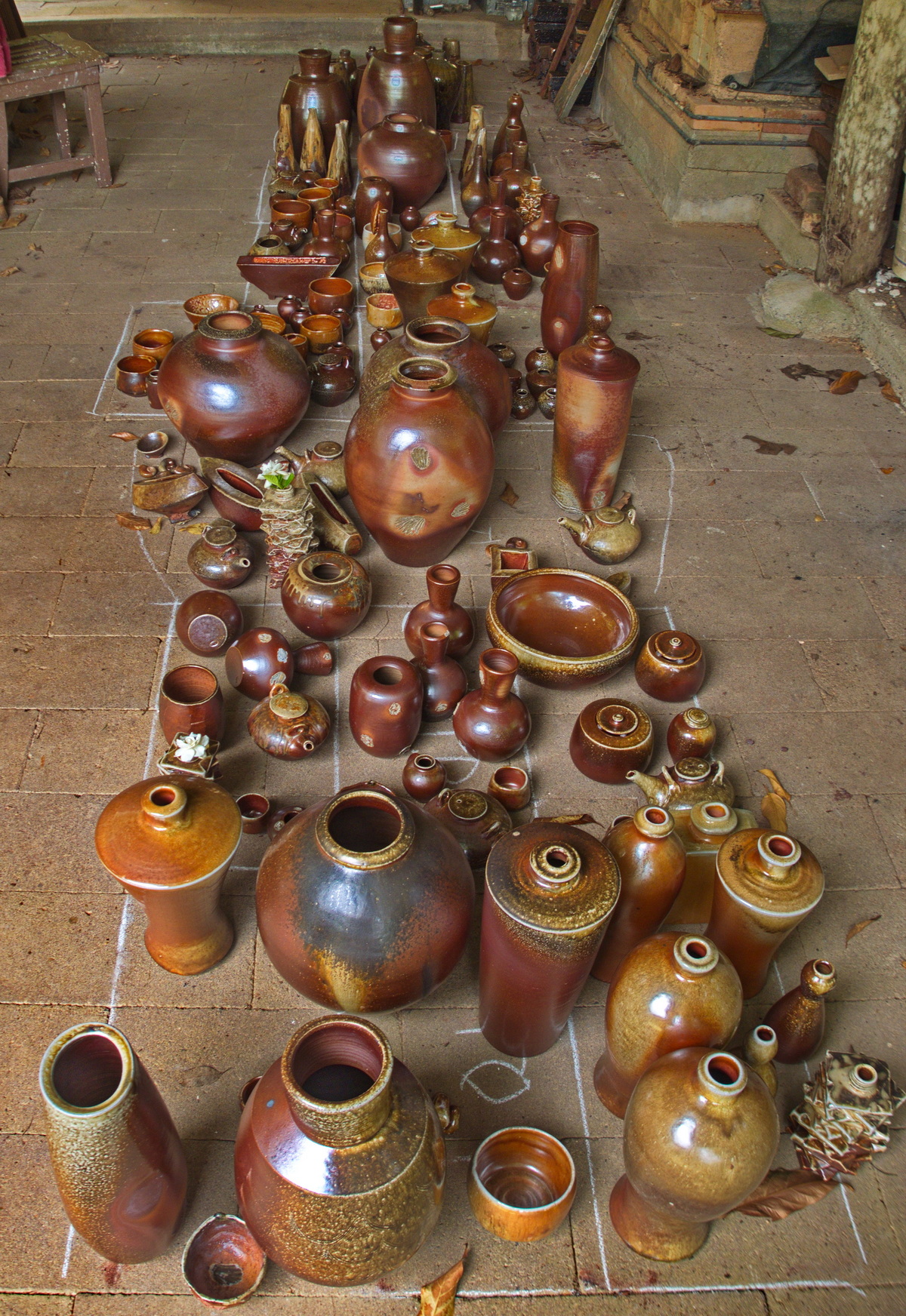
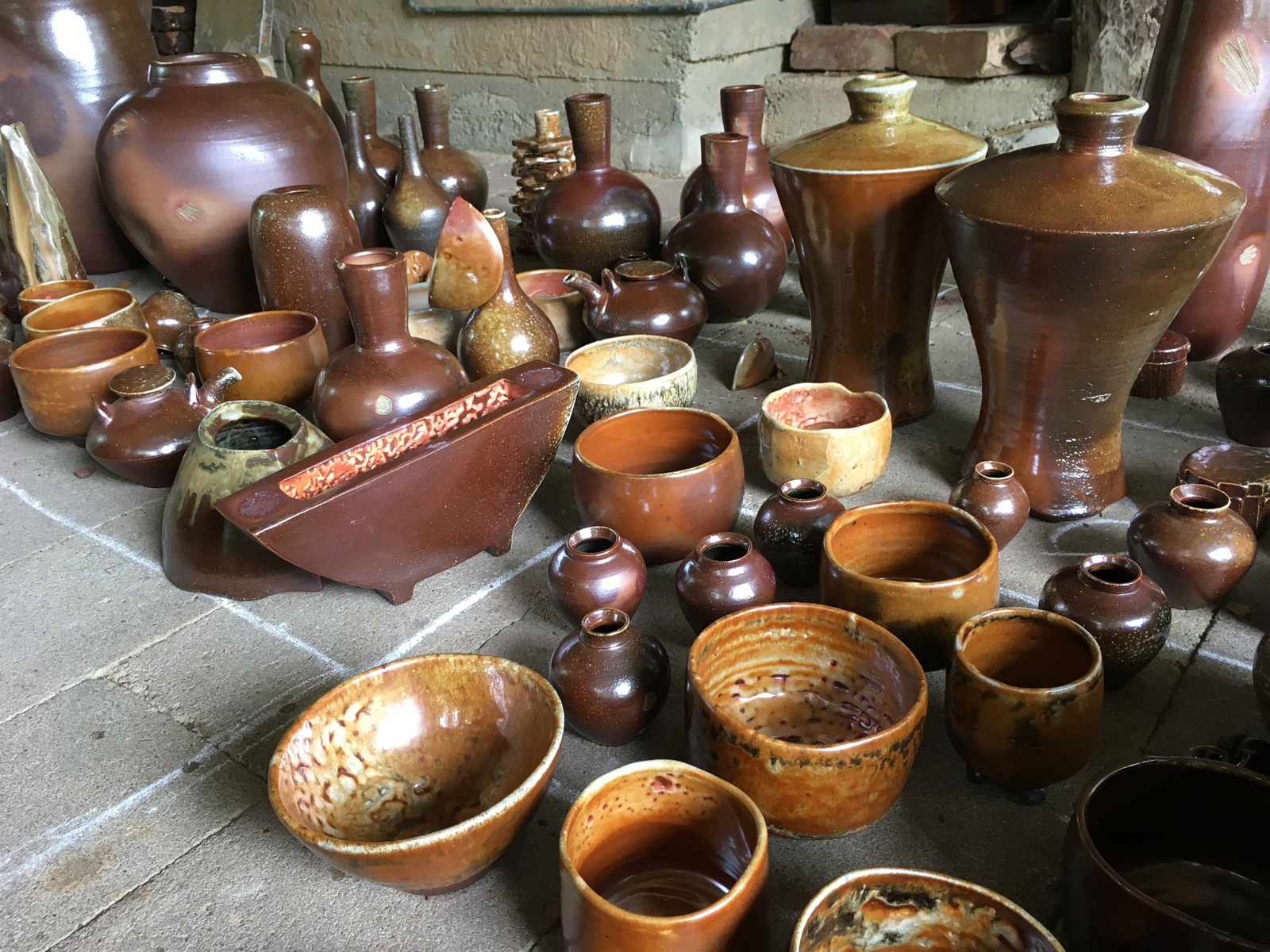
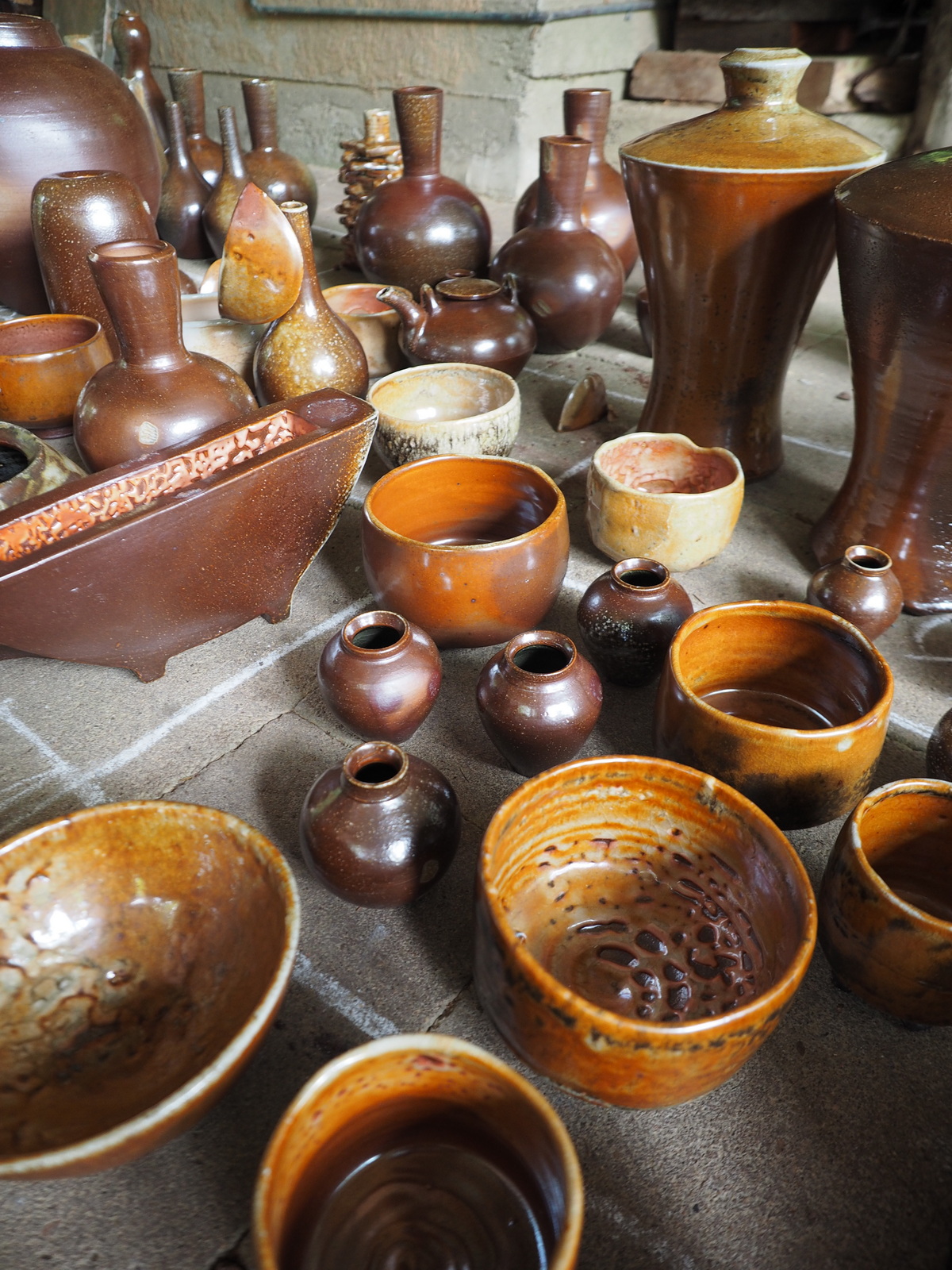
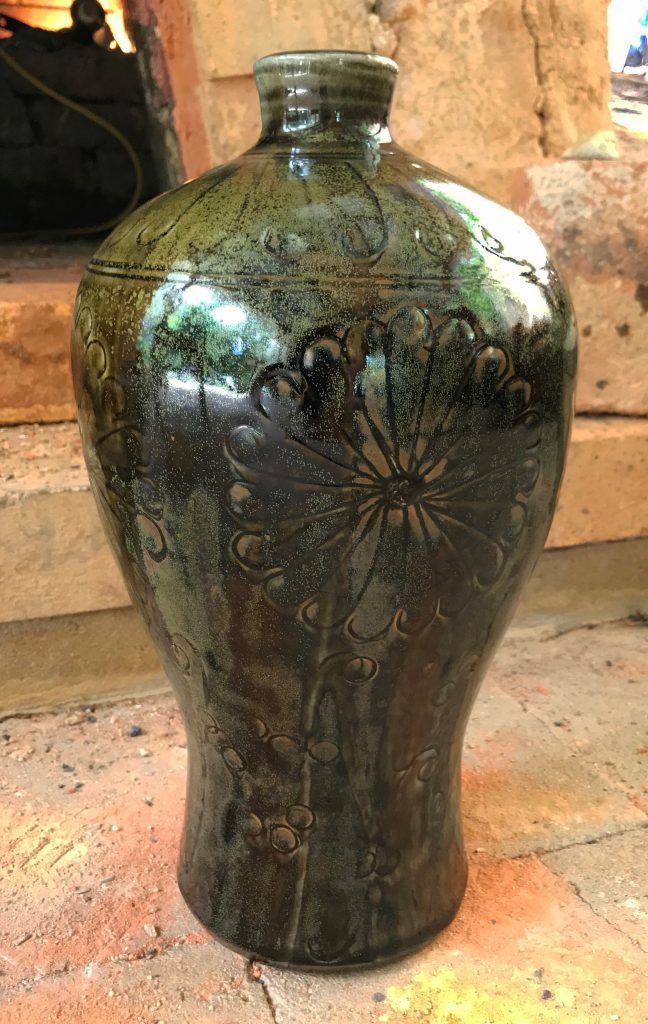
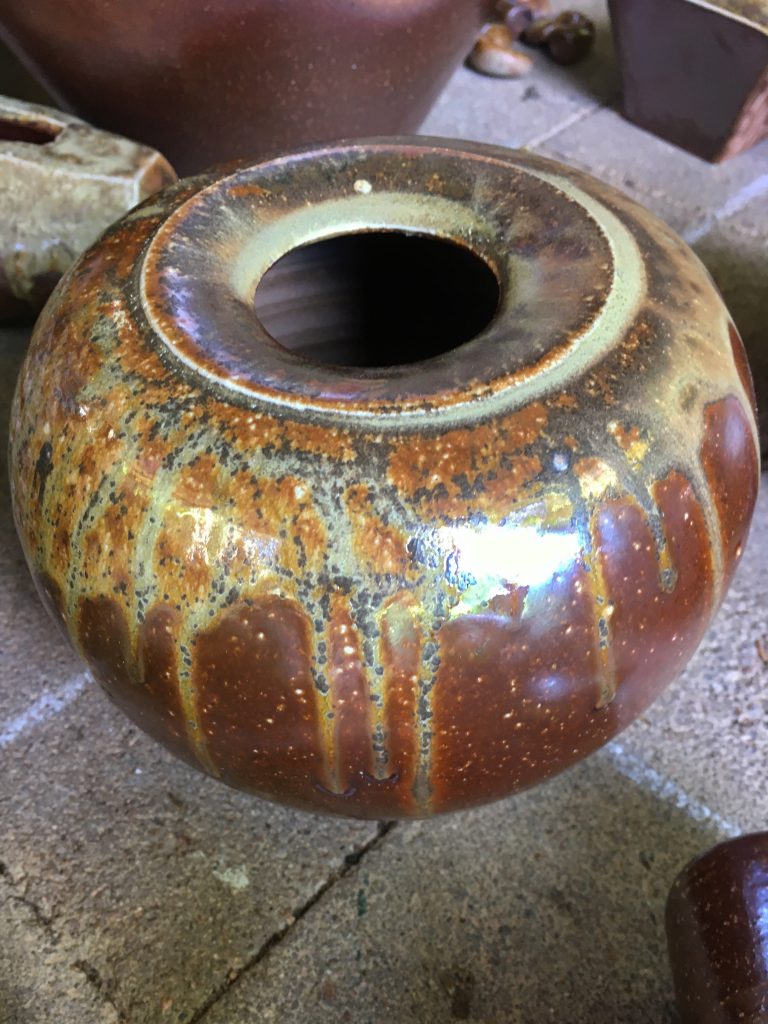
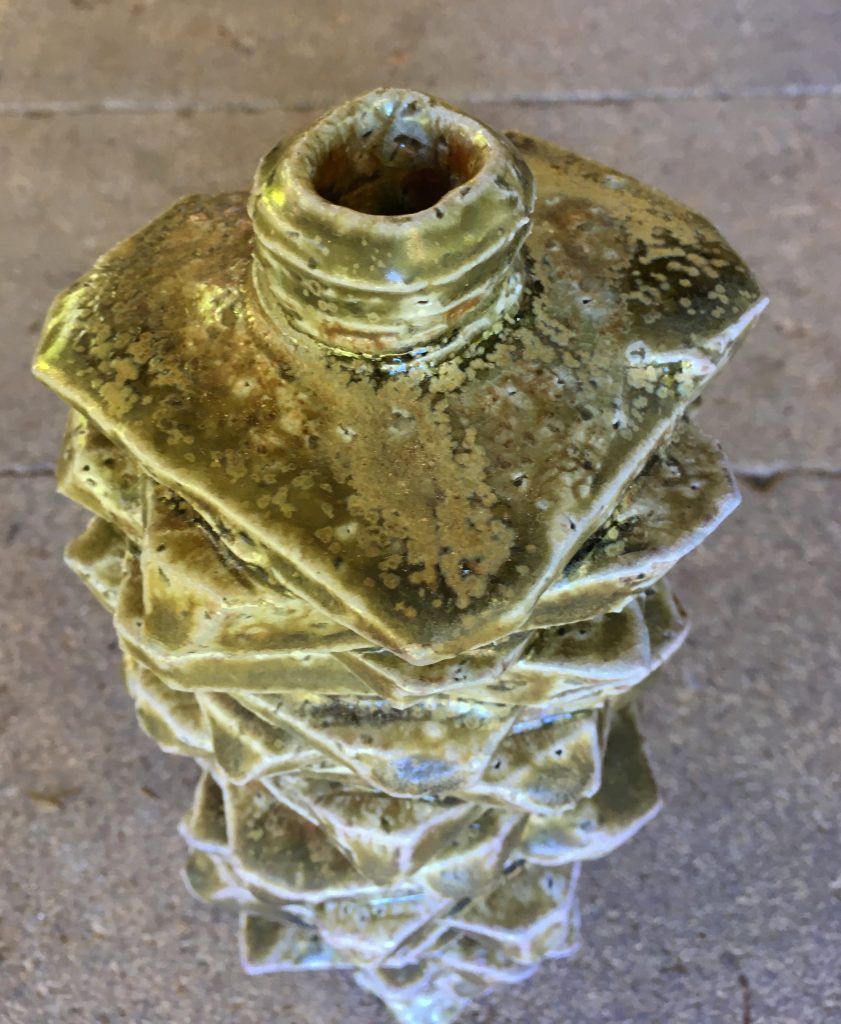
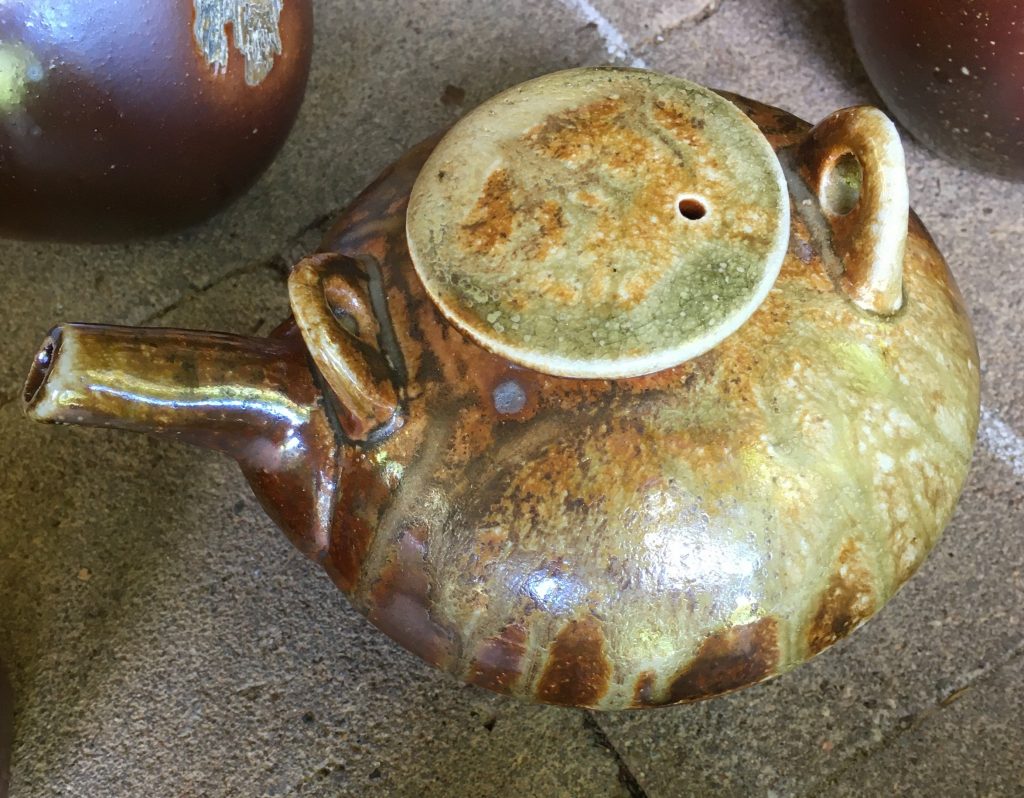
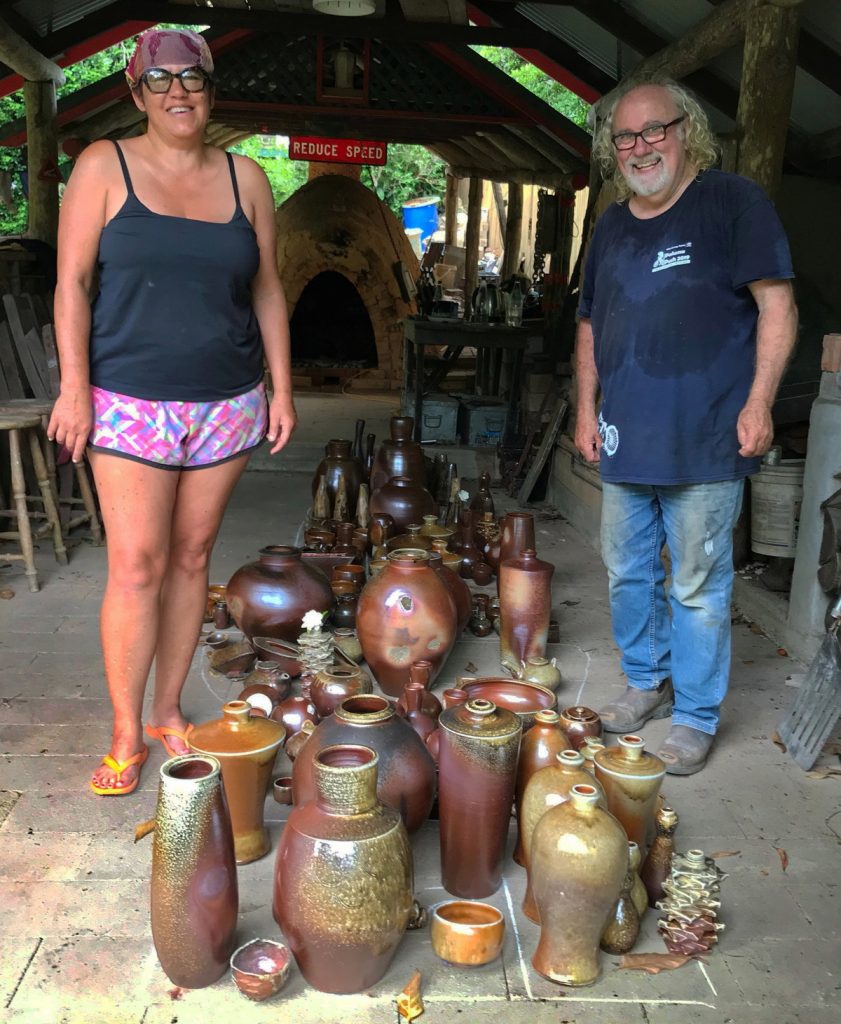
It is with great sorrow that we report the passing of Kelly Davis, a long-time Paluma resident and active member of the community. Kelly passed away last Friday night. Kelly’s long association with Paluma, and the various roles and friendships he established here warrant a more detailed tribute. My most recent memories of Kelly come from recent Anagama firings at Len Cook’s kiln where he spend nightly vigils stoking the furnace and monitoring firing temperatures. But there is much more to tell about this man, so please email me (j.k.oliver@outlook.com) if you have any other information or anecdotes so that his contributions can be fully acknowledged in a separate post.
Following up on a comment from Michael Drew on theEucalyptus grandis Tree of the Month article, I am reprinting an article from the August 2017 issue of Turkey Talk on the Bettong and its role in the health of Eucalyptus forests.
To remove any ambiguity regarding the identity of our local truffle-eater, the northern bettong (Bettongia tropica), I altered title of the original article from Potoroo to Bettong. Potoroos, close relatives of the Bettong, are only found in the SE Australia & Tasmania.
Of course it’s possible that the Republic of Hussey Road has its own endemic but undescribed species of Potoroo (Potorous husseyensis ??)
Jamie
[Bettongs] of Hussey Road are more than cute critters.
‘Truffles’ conjures up the ‘black gold’ now being produced in WA, Vic, NSW and Tas. However, there are also native truffles, mostly found under litter, which are eaten by small marsupials. These truffles are the fruit bodies of fungi which have probably evolved to fruit underground due to drying climatic conditions in Australia over 35myo. They are vitally important in a 3 way association -tree- truffle-marsupial.
More is becoming known about the importance of mycorrhiza in the soil in which fungi mycelia are attached to tree roots. It is a symbiotic relationship where the fungus receives sugars from the tree and the tree gets chemicals such as phosphorus from the fungus. Since the 1980s studies have shown a third component in the system that is the marsupials. To survive it needs small marsupials such as potaroos and bettongs to dig up the truffles and eat them.
Truffles contain a mass of spores and tissues with a distinctive smell to attract animals and also provide them with food. Spores pass through the animal and can be dispersed to a new location
Since many of our small animals such as potaroos and bettongs are endangered species, it is vital that this relationship is better known. Eucalypts are one of our native plants which are very reliant on truffles. It has been estimated that they and many other native trees derive up to 75% of their metabolic needs from this type of ectomycorrhizal association. If these marsupials disappear, one vital component in the ecosystem will be lost.
Other ectomycorrhizal fungi may occur in an ecosystem as well so it doesn’t mean the whole system will collapse. But in Australia there are many ecosystems which are less healthy and resistant than before.
Orchids are the most diverse of all the flowering plant families with around 25,000 species world-wide and around 1,600 in Australia. They can be terrestrial or grow on rocks (lithophytic), or on other plants such as trees (epiphytic), or on rotten logs. While some have large, showy flowers, many can be small, inconspicuous plants with tiny delicate flowers of various hues.
While there are several orchids that can be found around the Paluma village and surrounding tracks, their scientific names are currently in a state of flux, with 4 of the ‘5 easy species’ listed here having had their names changed by one group of scientists, but contested by another! Here we will use the names published by the Atlas of Living Australia, but if you use the very good online key to Tropical Rainforest Orchids, you will need to be aware of the alternative scientific name given after the “=” sign).
Remember that it is illegal to collect any orchids from the wild. Several species have suffered from serious decline due to unscrupulous collectors.
1. Christmas Orchid (Calanthe australasica)
This is one of the most common and easily recognized species around Paluma. It is a terrestrial orchid with large pleated leaves. As its name suggests, it flowers around Christmas time (October – February) with a rather showy mass of white flowers on one or more stems. Under the shady canopy of the closed rainforest these orchid plants occur at irregular intervals, but in more open areas on the edge of the forest they can spread to form substantial patches. There are good examples of this orchid along all the village tracks.
This is the most common of the epiphytic orchids that can be seen on the upper trunks and limbs of trees along the village tracks. You can also find it at ground level on the limbs of recently fallen trees or on large rock outcrops. It can be identified from the cluster of distinctive pencil-thin, often grooved canes with a few (max. 6) leaves near the tip. It can also be found on rocks. The white to pale yellow flowers are small (around the size of a 5 or 10 cent coin) and appear from July to October. There are several good examples of this orchid along the H-Track and in several open areas around the village. This species is restricted to high altitude rainforests and sheltered areas of wet forests from above 700 m from Paluma to the Tablelands.
3. Rock Orchid (Dendrobium speciosum = Thelychiton jonesii var. bancroftianum)
This is a well-known and widely distributed lithophytic and epiphytic orchid with large bulbous stems (pseudobulbs) topped by large leathery leaves. It is common in many Paluma gardens where it can form massive clumps. Large clumps of this orchid can be found on rocky outcrops in full sun along tracks around the Paluma Dam (Lake Paluma), but along tracks around Paluma village it forms smaller, less conspicuous clusters, usually high up on trees. Flowers mostly vary from white to creamy yellow and appear from September to November.
There is another species recorded from this area which looks nearly identical (Dendrobium jonesii = Thelychiton jonesii var. jonesii) and can only be distinguished by its slightly smaller flowers and earlier flowering period (September-November). Some taxonomists have lumped both into a single species, so it might be safer to call any of these orchids Dendrobium speciosum/jonesii and leave the final determination to be resolved by the experts!
This native north Queensland orchid is quite common but often overlooked due to its small size. It has a creeping rhizome that grows up trees or rocks and produces regularly-spaced, small, globular, green pseudobulbs (8-15 mm), each with a small, sturdy, green leaf up to 70mm. It produces bunches of up to 8 small (50mm), white to cream or greenish flowers from September to December.
In areas at the edge of clearings or on fallen trees it can be found near the ground but otherwise it is higher up in the forest canopy where the light is stronger. It can be found around many of the public areas in the village.
This beautiful small epiphytic or lithophytic orchid can be found in open forest near the edges of rainforest or on tree branches overhanging open sunlit streams. In favourable conditions it can form dense patches.
It has slender cane-like stems that look a bit like Dendrobium adae (see above) but they are more spaced out along a creeping rhizome rather than occurring in bunches. It also produces leaves along a greater portion of the stem. The perfumed flowers are bright yellow, appearing from July to November.
The wet weather always brings birds and a few bush creatures to shelter and seek food on my back deck. For the last two mornings birds in greater numbers than usual have come in, ravenously emptying the food dish then sitting huddled together, wet and bedraggled along the railing. Even a brush turkey, much to my chagrin, joined the throng. Lord Victoria (the senior Rifle-bird) was first in, just on daylight clinging to the back door and screeching for attention. He was joined by a junior male and a female; a Catbird (who didn’t stay with the mob); two female Bower-birds; about a dozen Macleay’s honey-eaters, who fly into the kitchen if, in an unguarded moment, I leave the screen door open, and a mob of noisy Lorikeets who squabbled and jockeyed for position all morning.
A not so welcome guest was a huntsman spider, fortunately not a big one, who moved into my bathroom but the most unwelcome guests over the past three weeks were rats. Bush rats have invaded the laundry while White-tailed rats have patrolled the laundry and decks, creating havoc. An Antechinus made it to the kitchen and I dread the day when a White-tailed Rat discovers it can enter the house with no effort at all by using the dog-flap.
Every night for the past three weeks I have set mesh traps and almost every morning had a captive to take to the release site at the forest edge. First was a White-tailed rat who did considerable damage in the laundry before he was trapped. Then, for five days in succession I took Bush Rats to the release site. Next was a young White-tailed rat. There was a lull for two days then two bush-rats and an Antechinus went to the release spot. Yesterday, a very big White-tailed rat was captured – so big he totally filled and could not move within the trap. In another small trap two bush rats were caught. To my horror, one rat had begun eating the other. Is this cannibalism a symptom of stress? Is this behaviour rare?
A young rat probably a white-tailed rat) awaiting “transportation for stealing bread” !
Again, this morning I took a Bush Rat out to the release site. I wonder if any other residents are experiencing unusual numbers of visiting rats.
I am beginning to feel that I need a Pied Piper in Paluma.
Eucalyptus grandis, known as the rose gum, is a tall tree with a smooth pale trunk and a skirt of rough bark around the base extending up several metres. It occurs in wet sclerophyll forests from the Daintree to around Newcastle and favours coasts and lower slopes in areas of rich soil and high rainfall. Stands dominated by the Rose Gum are frequently found adjacent to rainforests. In Paluma the best examples can be found near the Taravale turnoff along the Hidden Valley Road. My family call this area the Valley of the Giants and it’s an apt name. There are also several lovely specimens along Benham’s Road from the dam spillway onward. The rose gum does not usually germinate or mature in established rainforest habitat, but it’s not unusual to come across one that is a remnant from a wet sclerophyll forest that has been encroached by rainforest during periods of high rainfall and low bushfire frequency. There is a huge but now half broken specimen like this on the way to Birthday Creek Falls1.
A stand of rose gums with white trunks near the Taravale turnoff on the Hidden Valley Road
There is a lot of interest worldwide in “big trees” and lots of competition for bragging rights for various categories. More that one website dedicates itself to this obsession, including the National Register of Big Trees, which lists the biggest trees of each Australian species. The rose gum is one of the largest trees in Australia. It commonly exceeds 50m in height, and the current record for this species is 86m. It is currently considered to be the tallest species in Queensland with a tree in the Conondale National Park called Big Bob measured at 72m in height. By comparison, the tallest tree species in Australia is the mountain ash (Eucalyptus regnans) with an individual called Centurion (>100m) classed as the tallest tree in Australia and the tallest hardwood tree in the world.
Eucalyptus grandis is very fast growing under ideal conditions and can reach up to 7m in its first year. It is a popular plantation tree inside and outside Australia for its timber and pulp. Timber applications include general construction hard wood, flooring, furniture. The leaves of the rose gum are eaten by koalas, which can also be found occasionally around the Taravale/Mt Zero area.
Text and photos by Jamie Oliver
1 look for a clearing and locked gate on the left about halfway to Birthday Creek Falls and go down this old logging road for about 200m. The tree is on the left.
This selection of 5 easy mammals includes a mix of monotremes (platypus and echidna), marsupials (kangaroos and relatives), and placental mammals (all other mammals). While monotremes and marsupials are mostly restricted to Australia, New Guinea and neighbouring islands, there is occasionally a misconception that Australia has no native placental mammals. This is far from the case. Australia has a very rich diversity of native bats and rats which actually outnumber marsupials in terms of species. Recent scientific work also suggests that the dingo should be considered a native mammal.
In general, it will require more effort and a bit of luck to see the “easy” species listed here compared to other groups in this series. They are pretty easy to recognise, but unfortunately, they are not regularly encountered.
The majority of mammals in the Wet Tropics are either nocturnal (most active at night) or crepuscular (active at dawn and dusk). For three of the following 5 easy species of mammal your best chances of seeing them would be along the village tracks or roads after dark with a spotlight.
Dingo and platypus can be seen during the day but more frequently in the morning and evening.
Bandicoots are marsupial mammals with rear- facing pouches. The northern long-nosed bandicoot is now considered to be a separate species from the long-nosed bandicoot found further south. However, most nature guides will still refer to animals in this region by the earlier name – Perameles nasuta.
The northern long-nosed bandicoot is a common evening visitor in most gardens around the village, where it leaves round conical holes in lawns. It has grey-brown fur on its back and a pale belly. Its most distinctive feature is its long, finely-tapered nose, which it uses to detect and dig out insects and other invertebrates near the soil surface.
Northern brown bandicoot (Isoodon marcrourus) Photo by Daniela Parra (C) Creative Commons
One other species of bandicoot that can be seen in the area is the northern brown bandicoot. It is a bigger animal with smaller rounded ears, a darker brown back with streaks of black, and a shorter, less finely-pointed snout.
Bandicoots are commonly seen along the local walking tracks at night and can be detected from their eyeshine. They will occasionally make a grunting or squealing sound if disturbed.
2. Red-legged Pademelon (Thylogale stigmata)
Pademelons are diminutive relatives of kangaroos that live in rainforests and dense bushland. The red-legged pademelon is frequently seen on grassy lawns after dark or foraging near the local walking tracks. They can be picked up from their eye shine if you are using a torch. It is often heard before it is seen, giving one or more thumps with its hind foot at it runs away into the bush. If you get close enough, you will see it has, in addition to ruddy-brown legs, a distinctive pale cheek stripe and horizontal hip stripe.
In the forest pademelons eat fallen leaves, but many gardeners in Paluma will attest to the fact that they are partial to certain fresh leaves of ornamental plants such as Gardenia, as well as lawn grass.
3. White-tailed Rat (Uromys caudimaculata)
The white-tailed rat is a placental mammal whose reputation matches its size. It is one of the biggest rats in Australia, weighing up to 1 kg and is nearly 30cm long.
Photo (C) Bronwen Scott
A wheelie bin chewed open to get at the contents
It is active at night in the forest and around homes. You are most likely to see the results of this rat’s nocturnal activities around village houses rather than sighting the culprit. These rats have tremendously strong teeth and jaws and readily chew through wood and hard plastic – including wheelie bins! Some locals call it the “tin-opener rat” and swear it has opened tins to get at the contents!
If seen, the rat is easy to identify from its size (like a small cat) and its distinctive tail, which is half to two-thirds white.
White-tailed rats can be seen along the tracks as well as throughout the village at night and can be picked up by their eyeshine if you are using a torch.
4. Dingo (Canis dingo)
The Dingo is a placental mammal and has frequently been considered a subspecies of the wolf (Canis lupis) together with domestic dogs. Recent scientific papers have argued that they should be considered a separate species (Canis dingo) and that they are true native mammals to Australia.
Dingos are very similar in size and shape to some domestic dogs. They are most frequently light golden brown in colour with a white chest, belly, paws and tail tip. There is a second colour morph that can be seen around Paluma that is dark brown and tan. Dingos used to be very common around the village up until the local tip was closed. Now you are most likely to spot them in the early evening or morning along the side of the road out to Hidden Valley and to the Dam. Like all mammals they can be detected by their eyeshine at night if you are using a torch. Like other canines, they hunt in packs and eat a variety of other mammals, lizards, birds as well as carrion.
5. Platypus (Ornithorhynchus anatinus)
The duck-billed platypus is one of two monotreme (egg-laying) genera of mammals in Australia (the other is the echidna). Platypuses are often considered be a rare inhabitant of the bush, but they are actually quite common. Semi-aquatic, they can be found in most medium-sized streams and billabongs in a variety of habitats throughout eastern and south-eastern Australia and Tasmania.
This platypus took up residence in the pond behind the village weir for several months in 2018.
They are mainly nocturnal but can be readily seen in the early morning or late evening diving down to catch a range of invertebrate prey, which they locate using electromagnetic sensors in their bills. Once hunted for their soft fur, platypuses are unmistakable! If you are lucky enough to get a good view, notice the leathery bill, webbed feet, and flattened naked tail when it comes to the surface to chew on the food it has gathered from the bottom. They are an irregular visitor to larger streams around Paluma, including Ethel Creek, Birthday Creek and the Village weir. Permanent populations can be found on Paluma Dam and Running River
Trees are the principal structural element of rainforests, creating a variety of climates and microhabitats for numerous plants and animals. The Wet Tropics hosts a huge diversity of trees (about 920 species) with over 100 species typically found in just 1 hectare.
The main visible parts of trees in a mature rainforest are the trunks, which are not particularly different among most species. This makes tree identification difficult for the inexperienced visitor. Three of the 5 easy species listed here are among the few with highly distinctive trunks and bark. The remaining two are common along the main roads of the village where their distinctive leaves and fruit are easy to see.
1. Paperbark Satinash (Syzygium papyraceum)
This is one of the most distinctive trees in the Paluma rainforest and is quite common, especially along the Andrée Griffin Track. It has bright orangey-brown flaky bark and roots. It grows to a height of 20 to 30 metres and often has buttresses. While the flowers are not very distinctive the bright purple fruit, which litter the ground under the tree from December to February, are readily identifiable. Leaves are glossy dark green obovate (with the narrower end towards the leaf-base).
Cassowaries, Bush Rats, White-tailed Rats and Musky Rat Kangaroos eat the fruit.
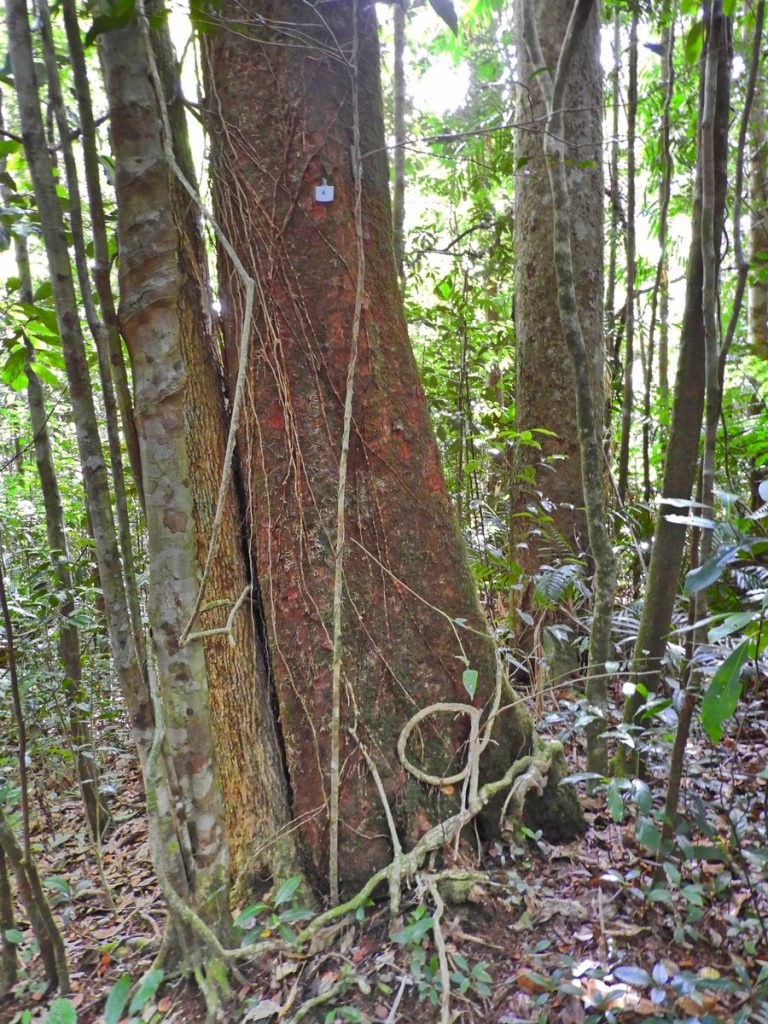
This tree gets its name because its trunk, when compared with other surrounding trees, is very cold to touch. It is also known as the Python Tree perhaps because its mottled green and tan colouring and slightly twisting trunk resemble the marking and sinuous form of a large python. This combination of a smooth mottled bark and cold feel is what makes the tree easy to identify.
Growing to a height of about 25 metres it this tree can sometimes form buttress roots. The simple leaves are about 80 to 105 mm long and elliptical or ovate in shape. When crushed they have a slightly eucalyptus smell.
While not abundant in the forest track around Paluma, specimens can be seen on the Rainforest Track, H-Track and the main track towards Witt’s Lookout. See if you can spot them, growing among trees similar in appearance.
The striking feature of this tree is the scattering of brilliant red and orange heart-shaped leaves. Rather than a mass seasonal colouration change, only a few a leaves at a time turn bright red before dropping. Its leaves are simple with a smooth, glossy upper surface and a glaucous (pale) underside. The stems exude a milky sap when broken.
The tiny flowers are white or cream, have no petals making them difficult to detect. Flowering can occur in any month. The fruits which follow are small green to purplish. The fruit is eaten by many bird species, notably Rifle-birds, Bower-birds and Pigeons. Possums eat the leaves.
These trees are most easily seen along the roads in the village. A good example of the tree can be seen along the McClelland’s Lookout path and they are also commonly found along the village roads.
The Bleeding Heart is also the host tree for the Hercules Moth, which is the largest moth in the World.
This tree is also known as the Bull Oak. Although it is quite common along the forest paths, the trunk is not particularly distinctive, so it is most commonly identified from the carpet of “butterfly seedlings” that occur near mature trees during the late wet and early dry seasons. A month or so after germination the first true leaves develop and the butterfly shape is lost. Around the village roads there are several good specimens of the Northern Silky Oak that can be identified by the large prominent seed pods.
Photo by Andi Cairns
The fragrant white or cream flowers grow in terminal racemes or spikes, crowning the tree spectacularly from October to December. Then, in January, standing proud on long stems above the tree canopy, the large oval seedcases are silhouetted against the sky. The empty seed capsules are brown and woody and lie like miniature cobblestones on a bumpy pavement but they quickly decompose back into the soil.
Photos by Andi Cairns
The dark, oak-like timber of this tree is highly regarded and sought after for furniture and cabinet making. It once made up 15% of all timber production in the area.
This species is one of the larger common trees along the rainforest tracks, with a round symmetrical trunk whose diameter can exceed 1 metre in mature specimens. It can be identified by its distinctive trunk, which is covered in pale “pimples” or lenticels. Larger trees also have distinctive raised, round, sinuous roots extending out several metres from the trunk.
All species in this genus have separate sexes with individual trees being either male or female. The orange fruit on female trees are small, solitary and oval. They are eaten by pigeons.